THE POWER OF PERSISTENCE: HOW KYLE MAYNARD REACHED THE SUMMIT OF KILIMANJARO
THE POWER OF PERSISTENCE: HOW KYLE MAYNARD REACHED THE SUMMIT OF KILIMANJARO
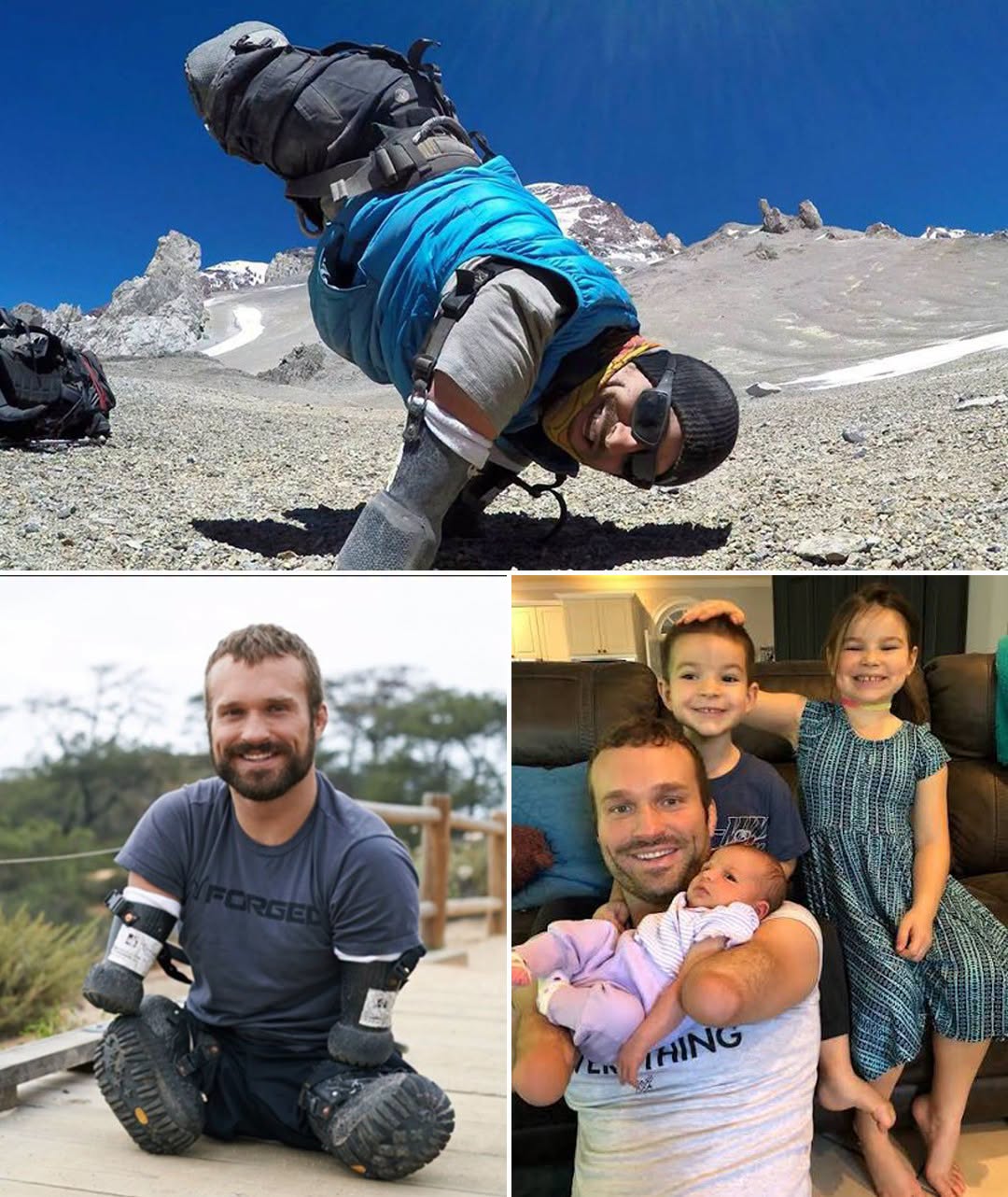
Kyle Maynard lost his first 35 wrestling matches. Years later, he crawled to the top of Africa’s highest mountain. Born with congenital amputation, Kyle’s arms ended near his elbows and his legs near his knees. From childhood, his parents made a crucial choice: they supported him when necessary, but encouraged him to figure things out independently.
Kyle did just that. He played football, became a competitive wrestler, lifted weights, and entered mixed martial arts, adapting movements to his body instead of waiting for the world to adapt to him.
Then came a challenge that seemed impossible: Mount Kilimanjaro, standing at 5,895 meters. Because he could not walk up, Kyle chose to crawl. Preparing for the ascent required constant trial and error. Initial protective gear was surprisingly basic—towels, pieces of mountain bike tires, and heavy tape wrapped around his limbs. Eventually, specialists built custom equipment to endure rock, ice, and thousands of repetitive movements.
In January 2012, Kyle began his journey. Moving upward on all fours in a bear crawl through thin air, he reached Uhuru Peak ten days later. He became the first quadruple amputee to summit Kilimanjaro without prosthetics under his own power.
The mission went beyond personal records. Mission Kilimanjaro united civilians and military veterans, including those living with physical injuries and trauma. The team also delivered $25,000 in medical supplies to a Tanzanian school for children with disabilities. Additionally, Kyle carried the ashes of fallen U.S. soldier Pfc. John Corey Johnson to the summit.
Four years later, in 2016, Kyle reached the top of Argentina’s Aconcagua, the highest peak outside Asia, again without prosthetics.
His extraordinary achievements stem from a mindset cultivated early in life. Kyle’s parents taught him to avoid focusing on limitations and instead ask a different question: How can I do it? After losing 35 straight matches before his first wrestling win, Kyle spent a lifetime proving what is possible through relentless determination.