LUCY LETBY’S ‘CONFESSION’ NOTES SHOULD NOT BE READ AS GUILT, LEADING EXPERT SAYS
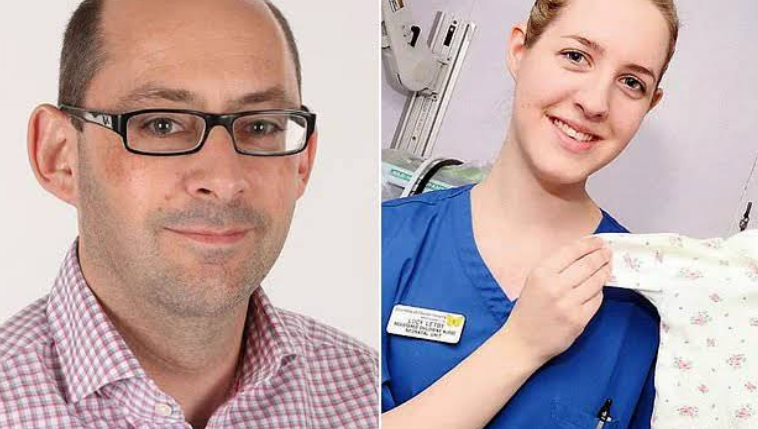
LUCY LETBY’S ‘CONFESSION’ NOTES SHOULD NOT BE READ AS GUILT, LEADING EXPERT SAYS
A leading forensic psychology expert has said Lucy Letby’s infamous handwritten notes should not be treated as an admission that she murdered babies, as renewed scrutiny of the former neonatal nurse’s case continues.
Professor Gisli Gudjonsson, an internationally recognised expert on false confessions and psychological suggestibility, has examined Letby’s handwritten material and concluded that the notes should not be interpreted literally as a confession to murder.
The notes became some of the most memorable evidence presented during Letby’s trials after police discovered them during searches of her home.
Among the writings were the phrases “I am evil I did this” and “I killed them on purpose because I’m not good enough to care for them and I am a horrible evil person.”
Prosecutors relied on those words as evidence while alleging that Letby deliberately harmed babies at the Countess of Chester Hospital.
But Professor Gudjonsson said the writings needed to be considered in their entirety rather than focusing on individual phrases.
He said they “should not be taken as a confession to murder”, adding that it was important not to “pick up one or two words” without considering the rest of the material.
 THE NOTES ALSO CONTAINED CONTRADICTORY STATEMENTS
The handwritten material contained other statements that appeared to point in a very different direction.
Among them were phrases including “I haven’t done anything wrong,” “slander,” “discrimination” and “I can’t do this anymore.”
The Guardian previously reported that the notes contained expressions of intense distress and fear, alongside the phrases that prosecutors relied upon during the trial.
That reporting also said sources close to Letby’s case claimed she had been encouraged by healthcare professionals to write down her thoughts as a way of coping with extreme stress. Letby herself said in court that she had written the notes to try to process what she was feeling while facing accusations from colleagues.
The defence had argued that the writings reflected anguish rather than guilt, while Letby denied that they meant she had harmed or killed babies.
 EXPERT’S ASSESSMENT COMES AS CASE FACES RENEWED SCRUTINY
Professor Gudjonsson’s assessment comes at a time when Letby’s case is again receiving intense attention following new challenges to aspects of the evidence used against her.
The Sun has reported several disputed issues, including questions surrounding evidence relating to Baby K and the interpretation of Letby’s handwritten notes. Cheshire Police have strongly rejected allegations that the investigation was improperly conducted and said they remain confident in the integrity of their investigation, prosecution and the decisions reached by the courts.
The wider case has also been examined by the Thirlwall Inquiry, whose final report was published on September 15, 2026.
The inquiry identified serious failures in management, governance and safeguarding at the Countess of Chester Hospital. However, its findings did not overturn Letby’s convictions or determine that she was innocent.
Cheshire Police said its separate investigations into possible corporate and gross negligence manslaughter connected with the hospital’s leadership remain ongoing.
LETBY’S CONVICTIONS REMAIN IN PLACE
Letby was convicted in 2023 of murdering seven babies and attempting to murder six others. She was later convicted in a 2024 retrial of attempting to murder another baby.
She is serving 15 whole-life sentences.
Professor Gudjonsson’s assessment does not itself change those convictions. Any legal challenge would have to go through the appropriate court process.
But his conclusion adds another significant voice to the continuing debate over how Letby’s handwritten notes should be understood.
For now, the notes remain disputed evidence at the centre of renewed public scrutiny, with experts, investigators and Letby’s legal team offering differing interpretations of what the writings actually meant.