Presley Gerber’s Final Months Included Psychedelic Addiction Treatment and a Hope He Would Never Have to Return

Months before his death at age 27, Presley Gerber shared one of the most vulnerable glimpses yet into his long struggle with addiction — a video recorded shortly before he underwent an intense psychedelic treatment he hoped might mark a turning point in his life.
In the March social media post, Presley appeared reflective and frightened as he prepared for what he described as an “ibogaine flood dose.” His caption revealed the emotional weight of the moment: he was confronting experiences he had spent years trying to escape, surrendering a sense of control and hoping the treatment would help him find his way back to himself.
Most strikingly, Presley wrote that he was praying he would never have to return for the treatment again.
Six months later, on September 20, the son of Cindy Crawford and Rande Gerber died at age 27 while at a rehabilitation facility.
The post has since become an especially poignant record of the difficult battle Presley had increasingly chosen to discuss in public.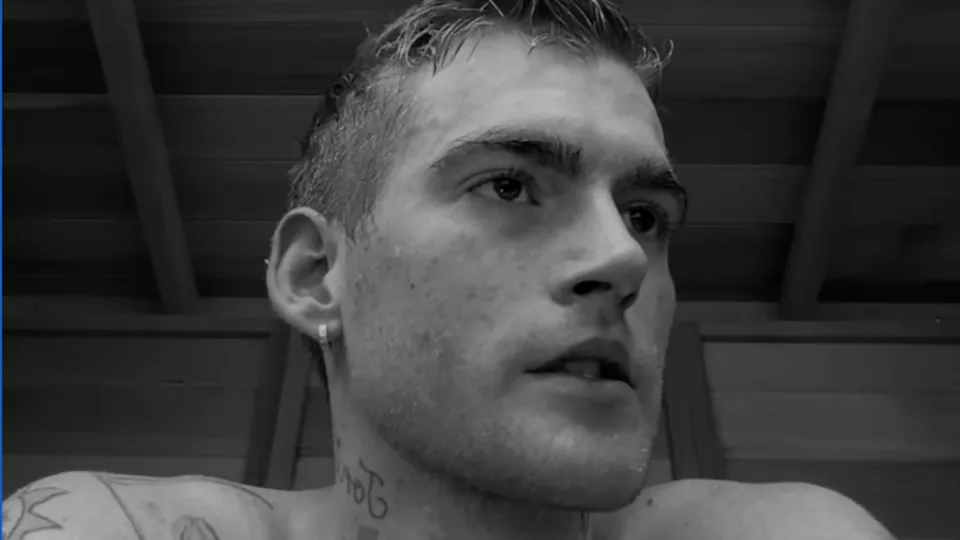
A Frightening Step in His Attempt to Recover
Presley described the moments before the psychedelic treatment as unusually intense.
He admitted he was terrified.
But fear was only one part of what he was feeling. His words suggested that the experience represented a deliberate attempt to stop avoiding the deeper problems that had shaped his struggles.
Presley said letting go of control had not been easy, but he tried to trust the process and whatever might come from it.
He wrote that he understood why he had arrived at that point in his life and that the experience forced him to confront what he had been running from.
Somewhere during that process, he said, he began feeling as though he was rediscovering himself.
Still, his optimism was cautious.
“We shall see,” he wrote.
The phrase captured the uncertainty surrounding recovery — the hope that something might change while recognizing that one treatment could not guarantee what would happen next.
Presley also expressed gratitude toward the people who helped him through the experience, praising the treatment team and mentioning the friendships he formed there.
But the line that now stands out most was his hope that it would be the final time he needed to return.
He was, he wrote, praying it would be the last.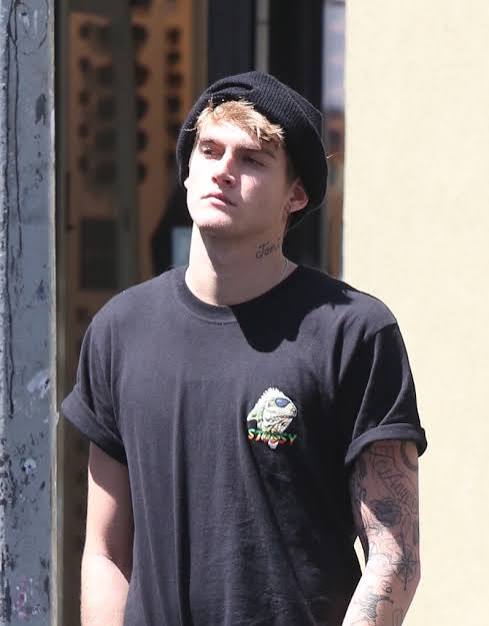
Cindy Crawford and Kaia Gerber Publicly Supported Him
Presley did not share the deeply personal post without support from his family.
Cindy Crawford responded directly in the comments, telling her son that she was proud of him and describing him as a warrior who had gone through a difficult experience in the process of finding himself.
His younger sister Kaia Gerber also celebrated his openness.
She wrote that she was deeply proud of her brother.
Their messages offered a brief public window into a family that had largely spent years protecting personal matters from outside attention.
Behind the famous names and glamorous careers, Presley’s struggles with addiction and mental health had become a significant part of the family’s life.
Born in Beverly Hills in 1999, Presley grew up in one of the most recognizable families in fashion.
Crawford was already an international supermodel when her children were born, while Rande Gerber was a successful businessman. Both Presley and Kaia eventually entered modeling themselves.
Yet Presley increasingly used his public platform to talk about an experience very different from the polished world usually associated with celebrity families.
He spoke openly about depression, mental health and substance abuse.
And rather than portraying himself as someone who had solved those problems, Presley often presented recovery as an ongoing process.
He Wanted His Mistakes to Help Someone Else
In a 2023 podcast appearance, Presley explained why he had become willing to talk publicly about some of the most difficult periods of his life.
He said that if sharing his experiences helped even one person escape the place he had once found himself in, that would be enough.
Mental health, he explained, was not a subject he could simply address occasionally. For him, it was something that required attention every day.
He wanted people dealing with depression or other struggles to know they would not be judged.
Presley also suggested that his own mistakes could have value if someone else learned from them.
He hoped that by being honest about what he had experienced, other people might avoid repeating some of the choices that had caused him pain.
That desire to turn difficult personal experiences into something useful became one of the clearest themes of his later public life.
It also helps explain why he allowed followers to see moments as personal as the one surrounding his psychedelic treatment.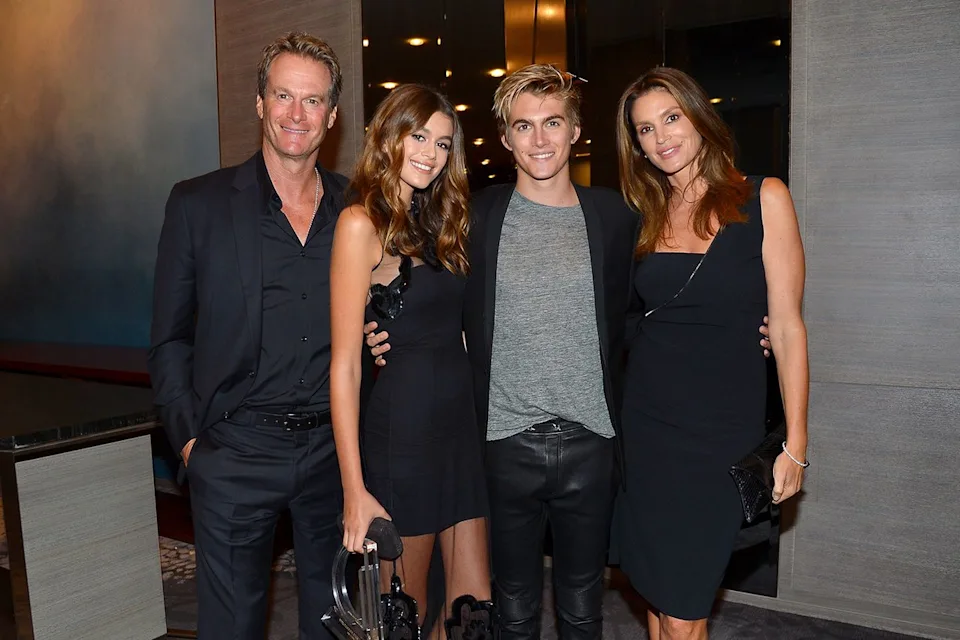
What Presley Said About Ibogaine Treatment
In the March post, Presley identified the treatment as an ibogaine flood dose.
Ibogaine is a naturally occurring psychedelic substance derived from the root bark of the Tabernanthe iboga shrub found in Central West Africa.
The treatment has been explored in connection with addiction and other conditions.
Presley underwent the treatment outside the United States, where ibogaine is not legally approved for such use.
Rather than focusing on the technical aspects of the experience, however, his post centered primarily on its emotional impact.
The video and caption showed someone preparing to confront his own fears.
He described mantras he relied on during the process and emphasized the difficulty of surrendering control.
His account was not framed as a declaration that everything had suddenly been fixed.
Instead, it was a snapshot of someone trying another path and hoping it would help.
That uncertainty makes the post particularly significant in retrospect.
Kaia Later Described Addiction’s Impact on the Entire Family
Only weeks before Presley’s death, Kaia also spoke publicly about how deeply her brother’s struggle had affected their family.
She reflected on what had been described as a decade-long battle with drug addiction.
Kaia explained that when one person within a family requires significant help, everyone else can be affected.
She said she began thinking of herself as the “easy” child — someone who should avoid asking for too much support because she felt her parents were already carrying enough.
At the same time, Kaia praised Presley’s decision to stop hiding what he was experiencing.
Their parents had generally protected their private lives, she explained, while Presley had chosen a very different approach.
He wanted to be openly human.
Kaia viewed that honesty as something meaningful, arguing that hiding a person’s struggle can sometimes leave them feeling as though others are ashamed of them.
Presley instead brought his experiences into public view.
A Final Post That Now Reads Differently
At the time Presley posted about his treatment in March, his message was primarily about fear, recovery and possibility.
He had done something difficult.
His mother and sister were proud.
He had met people who supported him.
And he hoped he would never have to return to that point again.
After his death on September 20, those words inevitably carry another meaning.
Presley died at a rehabilitation facility, according to medical examiner records. His family asked for privacy while they faced what they described as an extraordinarily painful period.
What remains from his final months is not a simple story of recovery or relapse.
Instead, his posts document the complexity of someone who was struggling, trying different forms of treatment and increasingly refusing to pretend that everything was fine.
Presley had said he wanted his experiences — including his mistakes — to help somebody else.
His March post may ultimately stand as one of the clearest examples of that goal: an unguarded moment from a young man who was frightened, searching for change and willing to let others see the difficult path he was walking.