70-YEAR-OLD HIKER SURVIVES 11 DAYS LOST IN THE WILDERNESS AFTER SHOUTING FOR HELP 10,000 TIMES
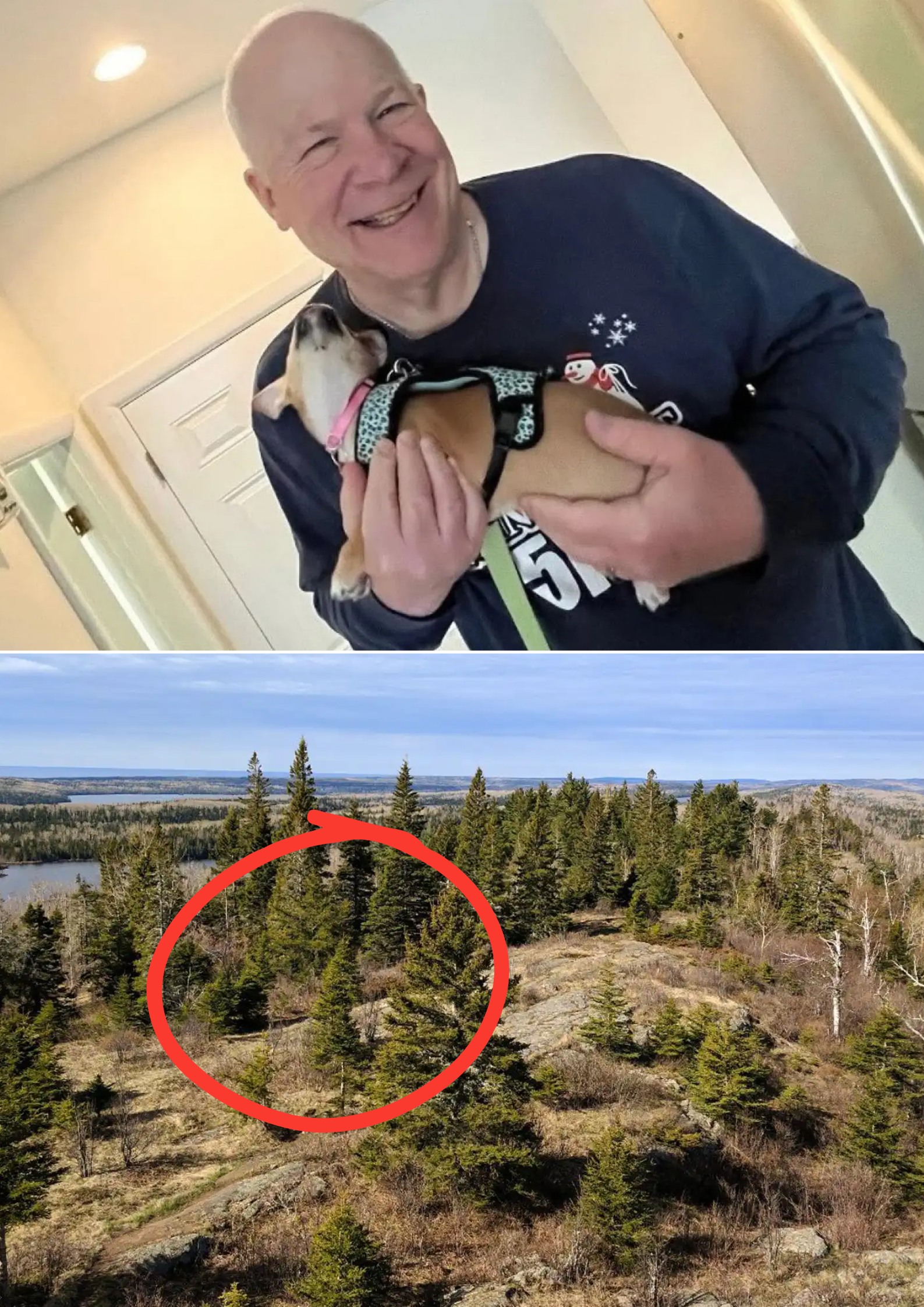
70-YEAR-OLD HIKER SURVIVES 11 DAYS LOST IN THE WILDERNESS AFTER SHOUTING FOR HELP 10,000 TIMES
For 11 terrifying days, 70-year-old Craig Berg was alone in the remote wilderness of Isle Royale National Park, unsure whether anyone would find him.
His cellphone was gone. His supplies were running out. He was cold, exhausted and surrounded by dense forests, wetlands and lakes.
But Berg refused to give up.
Again and again, he shouted the same words into the wilderness:
“Help! I’m lost!”
He estimates he said them around 10,000 times before two kayakers finally appeared on a nearby lake and changed everything.
:max_bytes(150000):strip_icc():focal(749x0:751x2):format(webp)/craig-berg-1-092226-f9dbf292562446ccb9b4cba0ea3b0339.jpg) A SOLO HIKING TRIP TAKES A TERRIFYING TURN
A SOLO HIKING TRIP TAKES A TERRIFYING TURN
Berg, from Royal Oak, Michigan, arrived at Isle Royale National Park on August 27, planning a multi-day solo hiking trip.
He had spent months preparing for the adventure and had experience with long-distance hiking.
For the first few days, everything went according to plan.
But around the fourth day of his trip, near Chickenbone Lake, Berg accidentally left what he believed was the trail and entered a swamp.
The ground became increasingly difficult to cross.
He eventually fell into mud that he later compared to quicksand.
During the incident, his phone disappeared.
Without his phone, Berg lost both his normal means of communication and access to his digital navigation tools.
:max_bytes(150000):strip_icc():focal(749x0:751x2):format(webp)/craig-berg-found-remote-island-091426-2461dc19e04f4e3aa70ea6aa1e45724b.jpg) HE REALIZED HE WAS COMPLETELY ALONE
HE REALIZED HE WAS COMPLETELY ALONE
As darkness approached, Berg knew he could not continue wandering through the swamp.
He found a small elevated area with several trees and spent the night there in his sleeping bag.
He was wet and extremely cold.
The next morning, he continued trying to find his way out.
At one point, he even began walking barefoot because his boots had become soaked.
He eventually found an area where he could put up his bright-orange tent, hoping that search crews or aircraft might be able to spot it.
But the wilderness was enormous.
And he remained far from the established trails.
FOOD STARTED RUNNING OUT
Berg knew that surviving meant conserving everything he had.
He rationed his freeze-dried meals and eventually began eating roughly every other day as his supplies dwindled.
His camp-stove fuel also ran out.
Water became one of his biggest concerns.
He drank water from ponds after treating it with chlorine tablets and collected rainwater using makeshift rock basins around his tent.
On one occasion, he even dug into a bog until brown water collected, treated it and drank it.
He knew the water was far from ideal.
But he needed to stay hydrated.
HE KEPT A JOURNAL IN CASE HE NEVER CAME HOME
During the ordeal, Berg began keeping a written journal.
He recorded what was happening each day in case rescuers never reached him.
One entry expressed his hope that someone would eventually find him.
The journal became a record of his struggle as he tried to remain calm and conserve his strength.
The retired engineer also found another way to hear the outside world.
Using wires connected to an old MP3 player, he improvised a radio antenna.
To his surprise, he was able to pick up a radio station from Thunder Bay, Ontario.
Hearing another human voice gave him a connection to the world beyond the wilderness.
“HELP! I’M LOST!”
As the days passed, Berg continued trying to attract attention.
He shouted for help whenever he believed someone might be nearby.
He estimates that he screamed:
“Help! I’m lost!”
approximately 10,000 times during his ordeal.
The number is his own estimate, but the desperation behind those repeated calls was very real.
He knew that even if search teams were somewhere on the island, the dense terrain made it extremely difficult for them to locate him.
THEN, ON DAY 11, HE SAW TWO KAYAKS
Everything changed on Berg’s 11th day in the wilderness.
He heard sounds coming from a nearby lake.
He moved toward a clearing and suddenly noticed two people on the water.
Berg began shouting.
“Help! I’m lost!”
The two kayakers heard him.
They were experienced paddlers and, according to reports, had been expecting to see wildlife rather than a missing hiker in the remote area.
They contacted officials and relayed Berg’s location.
A COAST GUARD HELICOPTER ARRIVES
Because of the difficult and remote terrain, rescuers needed an aircraft to reach Berg.
A U.S. Coast Guard MH-60 Jayhawk helicopter was dispatched.
The crew located Berg and hoisted him from the island.
He was transported to Marquette Regional Airport and then taken to a hospital for treatment.
Authorities said he was found alive and alert, although he had been experiencing hypothermia and dehydration and had injuries.
The Michigan Department of Natural Resources later said Berg was even walking in the hospital before some members of the search operation had returned from the field.
HIS FAMILY HAD FEARED THE WORST
Back home, Berg’s family had spent days waiting for news.
His wife, Debbie, had become increasingly worried as the search continued.
When the National Park Service finally contacted her with the words that her husband had been found alive, the nightmare changed instantly.
She then contacted their children and Berg’s elderly parents to tell them the news.
After more than a week of uncertainty, the family finally knew Craig was coming home.
“HE’S ALIVE!”
Berg’s son, Evan, described the moment he learned his father had survived.
He said he shouted at the top of his lungs:
“He’s alive!”
The family later travelled to Marquette to see Berg in hospital.
After being reunited with his loved ones, Berg began processing what had happened during those 11 days alone.
CRAIG IS NOW HOME
Berg has since returned to Royal Oak.
In a recent interview, he said he was physically recovering but was still processing the emotional impact of what happened.
He also acknowledged that he would do some things differently if he ever went on another remote hiking trip.
Among his biggest lessons was the importance of having a backup communication device capable of providing his location.
For now, however, Berg has reportedly put the most ambitious wilderness adventures on hold.
After surviving 11 days alone on a remote island, he has returned home to his family.
And perhaps the most remarkable part of his story is that after thousands of desperate cries for help, two kayakers happened to be passing by at exactly the moment he needed them most.
The sound they heard was the sound of a missing man who had refused to stop fighting his way home.