LUCY LETBY ‘CONFESSION’ NOTES CHALLENGED AS LEADING EXPERT SAYS THEY SHOULD NOT BE READ AS AN ADMISSION OF MURDER
LUCY LETBY ‘CONFESSION’ NOTES CHALLENGED AS LEADING EXPERT SAYS THEY SHOULD NOT BE READ AS AN ADMISSION OF MURDER
A leading expert on false confessions has challenged one of the most controversial pieces of evidence in the Lucy Letby case, saying her handwritten notes should not be interpreted literally as an admission that she murdered babies.
Professor Gisli Gudjonsson, an internationally recognised forensic psychologist who has spent decades studying false confessions and suggestibility, has examined Letby’s handwritten material.
His assessment comes as the former neonatal nurse’s convictions face renewed scrutiny and her case continues to be reviewed by the Criminal Cases Review Commission.
 THE NOTES THAT BECAME KEY EVIDENCE
During searches of Letby’s home, police discovered handwritten notes containing a series of highly emotional statements.
Among the most widely reported lines were statements in which Letby appeared to blame herself and described herself in extremely negative terms.
Prosecutors relied on the writings during her trial as part of the case against her.
But Professor Gudjonsson has argued that individual phrases should not be isolated from the rest of the material.
According to The Irish Sun, he said the notes should be considered as a whole rather than treating a few apparently incriminating sentences as a literal confession to murder.
The wider collection of writings also contained statements expressing distress, denial and a sense of being blamed or persecuted.
That context, he argues, matters when assessing what the notes actually mean.
 ‘YOU CAN’T JUST PICK UP ONE OR TWO WORDS’
Professor Gudjonsson said that reading isolated phrases without considering the entire document could give a misleading impression.
His assessment does not amount to a court ruling that the notes were meaningless, nor does it overturn Letby’s convictions.
Instead, it represents expert evidence challenging how one part of the prosecution case should be interpreted.
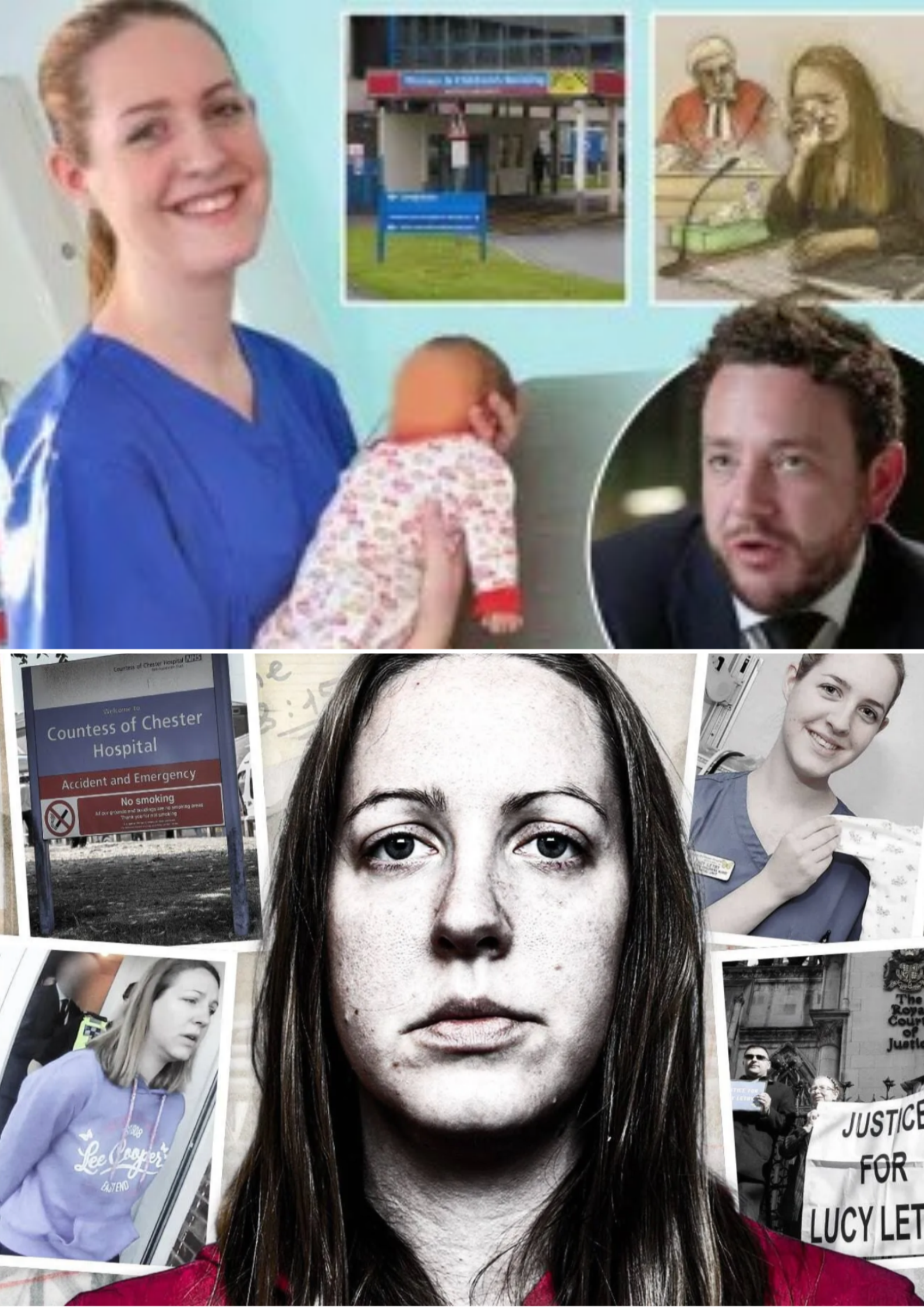
The distinction is important because Letby remains convicted of murdering seven babies and attempting to murder eight others at the Countess of Chester Hospital’s neonatal unit.
She is serving whole-life sentences.
WHY THE CASE IS BACK UNDER THE SPOTLIGHT
The latest development comes at a time when Letby’s case is receiving renewed public attention.
The Criminal Cases Review Commission confirmed in February 2026 that it was actively reviewing her convictions following an application made on her behalf.
The CCRC stressed that its role is not to decide whether Letby is guilty or innocent.
Instead, it investigates whether new evidence or new arguments could create a real possibility that a conviction would not be upheld if referred back to the courts.
The commission said additional expert reports and submissions had been provided during 2025 and into January 2026.
No decision to refer Letby’s convictions back to the Court of Appeal has been announced.
THIRLWALL INQUIRY FOUND MAJOR HOSPITAL FAILINGS
Another major development came in September 2026, when Lady Justice Kathryn Thirlwall published the final report of the Thirlwall Inquiry.
The inquiry examined what happened at the Countess of Chester Hospital around the deaths and collapses of babies and the hospital’s response to concerns about Letby.
The report criticised what it described as serious failures in hospital management, governance and safeguarding.
However, Lady Justice Thirlwall made an important distinction.
She explicitly said the inquiry was not an investigation into Letby’s criminal convictions or guilt and that it would not second-guess the work of the Criminal Cases Review Commission.
In other words, findings about hospital management do not themselves overturn the criminal verdicts against Letby.
ANOTHER DOCTOR HAS QUESTIONED HIS EARLIER CERTAINTY
The renewed debate has also included comments from Dr John Gibbs, one of the consultants whose evidence contributed to the prosecution case.
In an interview with The Sun published this week, Gibbs said he was no longer certain that Letby was responsible for the babies’ deaths and said he believed a retrial could potentially be appropriate if compelling new evidence emerged.
He also said he had a small concern that there may not have been deliberate harm at all.
Those are Dr Gibbs’ current views and do not represent a judicial finding.
Letby remains legally convicted unless and until a court overturns those convictions.
WHAT HAPPENS NEXT?
For now, the key legal question remains with the Criminal Cases Review Commission.
The commission is examining material submitted on Letby’s behalf, including expert evidence.
If it concludes there is a real possibility that the convictions may not be upheld, it could refer the case to the Court of Appeal.
If it does not, the existing convictions remain in force.
Meanwhile, the debate over Letby’s handwritten notes is likely to continue — particularly over whether apparently incriminating words should be interpreted literally or understood within the wider emotional and psychological context in which they were written.
The latest expert assessment adds another layer to one of Britain’s most closely watched criminal cases, but it does not, by itself, change the legal status of Lucy Letby’s convictions.