£105,000 FOR NOAH WOODS — THOUSANDS OF STRANGERS REFUSED TO LET HIS FAMILY FACE THE LOSS ALONE
£105,000 FOR NOAH WOODS — THOUSANDS OF STRANGERS REFUSED TO LET HIS FAMILY FACE THE LOSS ALONE
No one could bring Noah Woods back. But thousands of people found another way to stand beside his family.
When three-year-old Noah Woods disappeared in Brantham, Suffolk, people across the community hoped the search would end with a child being carried safely back into his parents’ arms.
Instead, the search ended in heartbreak.
Noah was found in Decoy Pond on September 16, days after he had gone missing.
The little boy was later formally identified as Noah.
For his family, the moment brought the end of a desperate search — but also the beginning of a grief no parent should ever have to face.
And then something unexpected happened.
Strangers began giving money.
A fundraiser created to support Noah’s family quickly grew far beyond expectations.
The appeal passed its £100,000 target, with thousands of people contributing.
By the time reports emerged about the campaign, more than 6,000 people had donated.
They were not friends of the family.
Most had never met Noah.
Many had never even been to Brantham.
But they had followed the search.
They had seen his photograph.
They had watched as volunteers, police officers and emergency crews searched for the little boy.
And when the search ended in tragedy, they wanted to help in the only way they could.
IT STARTED WITH A MISSING CHILD
Noah disappeared after becoming separated from a relative near a playground in Brantham.
The search quickly expanded.
Police officers were joined by specialist teams and members of the public as the surrounding area was searched.
Approximately 1,300 members of the public took part.
For hours, people walked through fields, paths and woodland.
Others searched around the water.
Everyone was looking for the same thing:
A three-year-old boy who was still missing.
At that point, nobody knew how the story would end.
Families waited.
Volunteers kept searching.
Noah’s loved ones hoped.
Then came the devastating discovery at Decoy Pond.
THE COMMUNITY DIDN’T DISAPPEAR WHEN THE SEARCH ENDED
Often, when a missing-person search ends, the crowds go home.
The headlines move on.
The emergency crews leave.
But in Noah’s case, the community response continued.
Flowers began appearing at the playground.
People brought toys.
Others left handwritten messages.
Some came simply to stand quietly.
And then the fundraising campaign appeared.
The Good Dads Club launched an appeal to help Noah’s family deal with the financial pressures surrounding their loss.
The original target was quickly overwhelmed.
£20,000.
£50,000.
£75,000.
Then £100,000.
The numbers kept climbing.
But every pound represented something more personal than a fundraising statistic.
Someone, somewhere, had decided to help a family they had never met.
“THE SWEETEST AND MOST INNOCENT LITTLE BOY”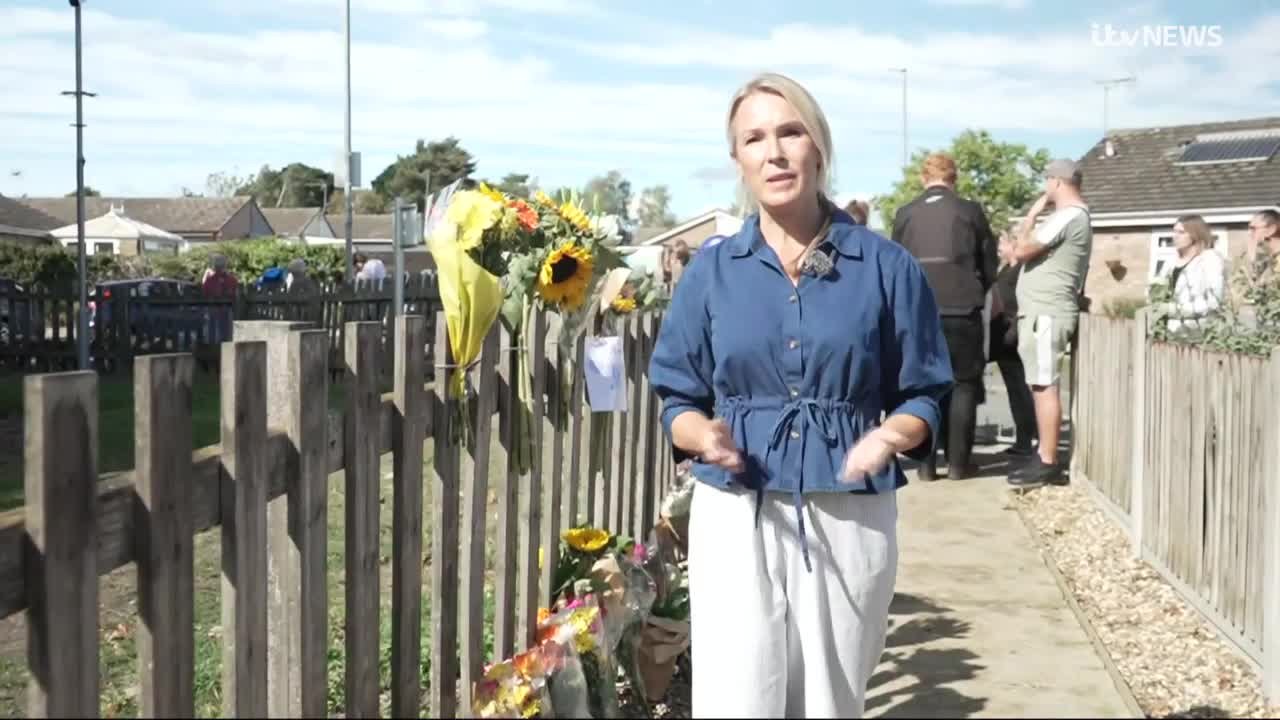
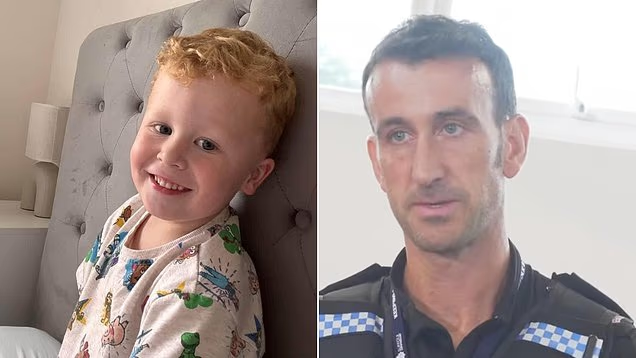
Noah’s father, Rhys Woods, later described his son as “the sweetest and most innocent little boy.”
Those words offered a glimpse into the child behind the headlines.
Noah was not simply the subject of a police appeal.
He was someone’s son.
Someone’s little boy.
Someone who had a personality, favourite things, a family who loved him and a future his parents imagined for him.
That is why the loss struck so deeply.
For thousands of strangers, the search may have lasted days.
For Noah’s family, the loss will last a lifetime.
THE £105,000 CAN’T FIX WHAT HAPPENED
There is an uncomfortable truth behind every fundraiser following a tragedy:
Money cannot reverse the tragedy.
It cannot reopen the search.
It cannot change the moment Noah disappeared.
It cannot bring him back.
But it can help a family deal with the practical reality that follows an unimaginable loss.
Funeral expenses.
Time away from work.
Travel.
Unexpected costs.
The ordinary responsibilities that do not stop simply because someone’s world has stopped.
That was the purpose of the appeal.
Not to put a value on Noah’s life.
But to give his family one less burden to carry.
THEN NOAH’S NAME REACHED THE FOOTBALL STADIUM
The support did not remain confined to Brantham.
At the Everton-Ipswich Town match, Noah’s photograph was displayed on the stadium screen.
Supporters paid tribute to him during the match.
Ipswich Town players also visited the playground where Noah had disappeared and left flowers.
The gesture showed how far the story had travelled.
A little boy from Suffolk had become known to people who had never met him.
And for his family, each tribute became another reminder that Noah had touched lives far beyond his own home.
BUT THERE ARE STILL QUESTIONS
Suffolk Police have said Noah’s death is not being treated as suspicious.
However, officers have also said further inquiries needed to be completed before a file could be submitted to the coroner.
That distinction matters.
The fundraising campaign and public tributes are expressions of support.
They are not an explanation of what happened to Noah.
The official investigation remains responsible for establishing the circumstances surrounding his death.
WHAT REMAINS AFTER THE HEADLINES?
Eventually, the fundraising figure will stop climbing.
The news cameras will leave.
The search teams will return to their normal duties.
The playground will become quiet again.
But Noah’s family will still have to wake up every morning knowing their little boy is gone.
That is why the response of thousands of strangers matters.
Not because £105,000 can erase grief.
It cannot.
Not because a football stadium tribute can change the outcome.
It cannot.
But because, in a moment when Noah’s family could have felt completely alone, thousands of people chose to say:
We remember him.
We remember what your family has been through.
And we are standing with you.
The money raised may eventually be spent.
The flowers will eventually fade.
The headlines will eventually disappear.
But the reason people gave in the first place will remain.
They gave because a three-year-old boy named Noah Woods mattered.
And because even when there was nothing they could do to change his fate, they could still choose to help the family left behind.