JON VENABLES FACES NEW PAROLE BID AS JAMES BULGER’S FAMILY PUSHES FOR A PUBLIC HEARING
JON VENABLES FACES NEW PAROLE BID AS JAMES BULGER’S FAMILY PUSHES FOR A PUBLIC HEARING
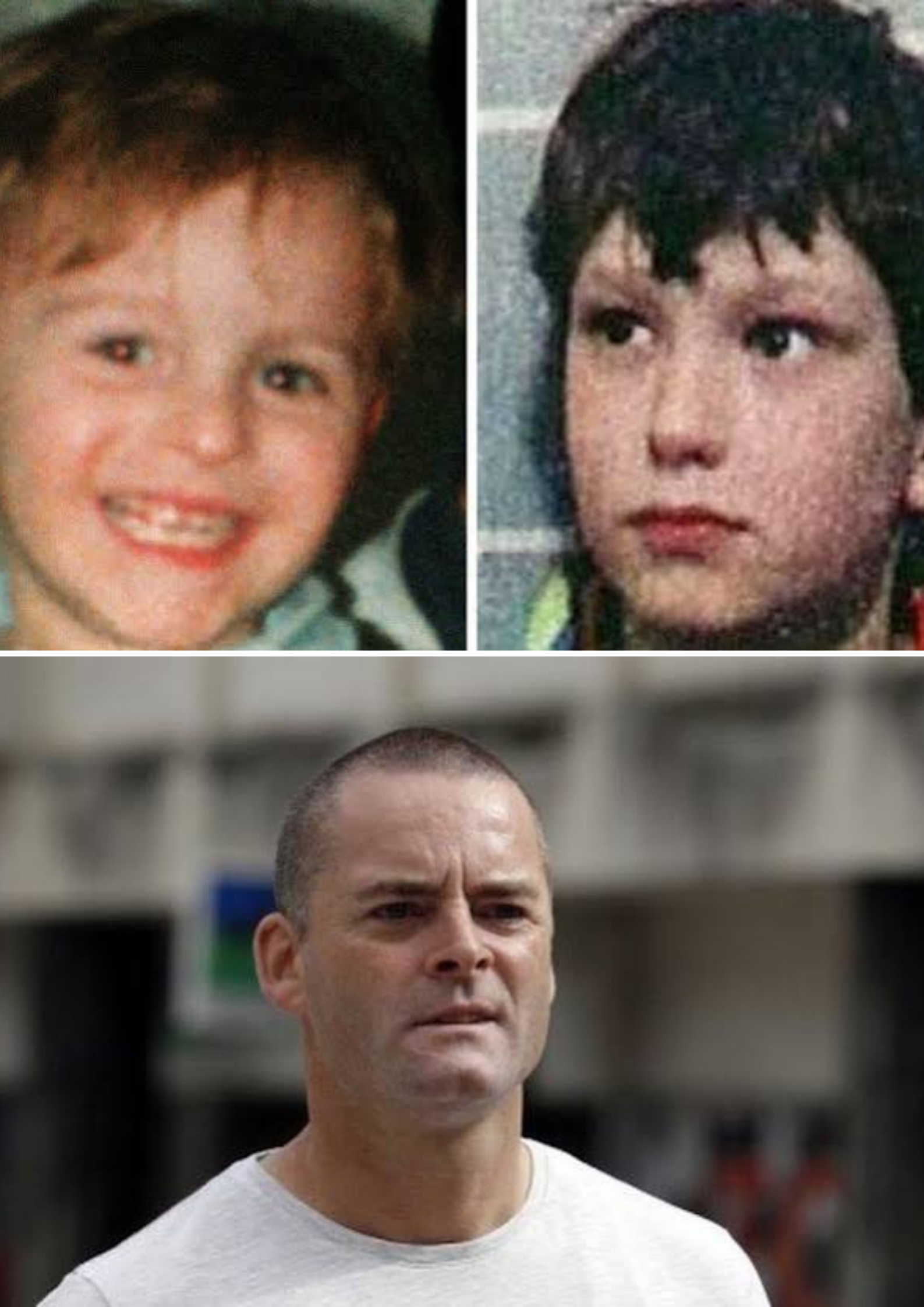
LIVERPOOL, UK — More than three decades after the murder of two-year-old James Bulger, his family is once again preparing to face a parole process involving one of the men convicted of his killing.
Jon Venables, who was 10 when he and Robert Thompson abducted and murdered James in 1993, is due to have another parole review.
But this time, James’s family is also fighting for greater transparency.
The family has submitted applications asking for Venables’ parole hearing to be held in public, arguing that the exceptional circumstances of the case and Venables’ subsequent offending make greater scrutiny necessary.
 A NEW PAROLE REVIEW
The Parole Board confirmed in January 2026 that Venables would face another oral hearing, more than two years after his previous unsuccessful bid for release.
In December 2023, a Parole Board panel refused to release him, concluding that he still posed a danger to children and could go on to offend again.
The panel also expressed concerns about his ability to be open and honest with professionals and identified outstanding risks that needed to be addressed.
Venables was originally released on licence in 2001 after serving around eight years in custody.
He was subsequently recalled to prison in 2010 after indecent images of children were found on his computer.
After being released again in 2013, he was recalled for a second time in 2017 following another offence involving child sexual abuse images.
JAMES BULGER’S FAMILY SEEKS TRANSPARENCY
In August 2026, the Parole Board published details of applications from James’s family requesting that Venables’ forthcoming hearing be made public.
Denise and Stuart Fergus argued that there is significant public interest in the case and that a public hearing could improve understanding of how parole decisions are made.
They also said greater transparency could help address misinformation surrounding the case and reduce some of the uncertainty and distress experienced by victims’ families.
The application also points to Venables’ subsequent offending as an exceptional feature of the case.
James’s father, Ralph Bulger, and uncle, Jimmy Bulger, have separately supported a request for a public hearing through their legal representative.
Their application argues that the case raises wider questions about risk assessment, release arrangements, anonymity and public protection.
 THE HEARING HAS NOT YET BEEN MADE PUBLIC
Despite the calls for transparency, the Parole Board has not yet announced that the hearing will be public.
Under the current rules, parole hearings normally remain private. Applications for a public hearing can be granted where the Chair of the Parole Board considers that making the hearing public is in the interests of justice.
The Board’s official records show that the Venables application is currently listed among pending applications for public parole hearings.
This is different from saying that Venables himself has requested or launched a public hearing.
In fact, the wording of the official application makes clear that the requests for greater transparency have come from members of James Bulger’s family and their representatives.
A PREVIOUS PUBLIC-HEARING REQUEST WAS REJECTED
This is not the first time the question of a public Venables parole hearing has arisen.
In 2023, the Parole Board considered an application to allow the public to observe his parole hearing.
That request was rejected.
The Parole Board’s decision, published in October 2023, confirmed that Venables’ parole hearing would not be made public.
His subsequent parole application was considered behind closed doors in November 2023, and the panel ultimately refused release.
The family therefore faces another difficult process as Venables seeks parole again.
LIFELONG ANONYMITY REMAINS IN PLACE
One of the most controversial aspects of the case is the continuing protection of Venables’ identity.
Venables and Thompson were granted lifelong anonymity because they were children when they committed the murder.
That protection remains in place, meaning the public cannot legally be given identifying information that could reveal their current identities.
The anonymity order has repeatedly been a source of frustration for James’s family, particularly as Venables has subsequently returned to prison following further offences.
The family’s latest application for a public hearing argues that safeguards could still be maintained while allowing greater transparency around the parole process.
THE 1993 MURDER THAT SHOCKED BRITAIN
James Bulger was two years old when he disappeared from the Strand shopping centre in Bootle, Merseyside, on February 12, 1993.
Venables and Thompson, both aged 10, were convicted of his murder.
The case became one of the most closely followed criminal cases in modern British history because of the extreme youth of the offenders and the age of their victim.
Both boys were eventually released on licence in 2001 under new identities and lifelong anonymity protections.
For James’s family, however, the case has never ended.
Each parole review has brought back memories of the loss and forced his loved ones to confront the possibility of Venables returning to the community.
WHAT HAPPENS NEXT?
The immediate question is whether the Parole Board will agree to the family’s request for a public hearing.
The official application remains pending.
If the request is granted, the Board would have to determine how the hearing could be made public while protecting legally protected information and sensitive material.
If it is rejected, the parole process would continue under the usual private arrangements, although victims and their representatives may still have rights to participate under the current parole system.
For Denise Fergus and the rest of James Bulger’s family, the issue is about more than whether Venables is eventually released.
They are also seeking greater transparency over how decisions about his risk, rehabilitation and possible release are made.
More than 30 years after James was taken from his family, another parole review is once again placing his name at the centre of a national debate — while the question of whether the public will be allowed to see the process remains unanswered.