LUCY LETBY CASE: WHY QUESTIONS OVER THE EVIDENCE CONTINUE TO FUEL DEBATE
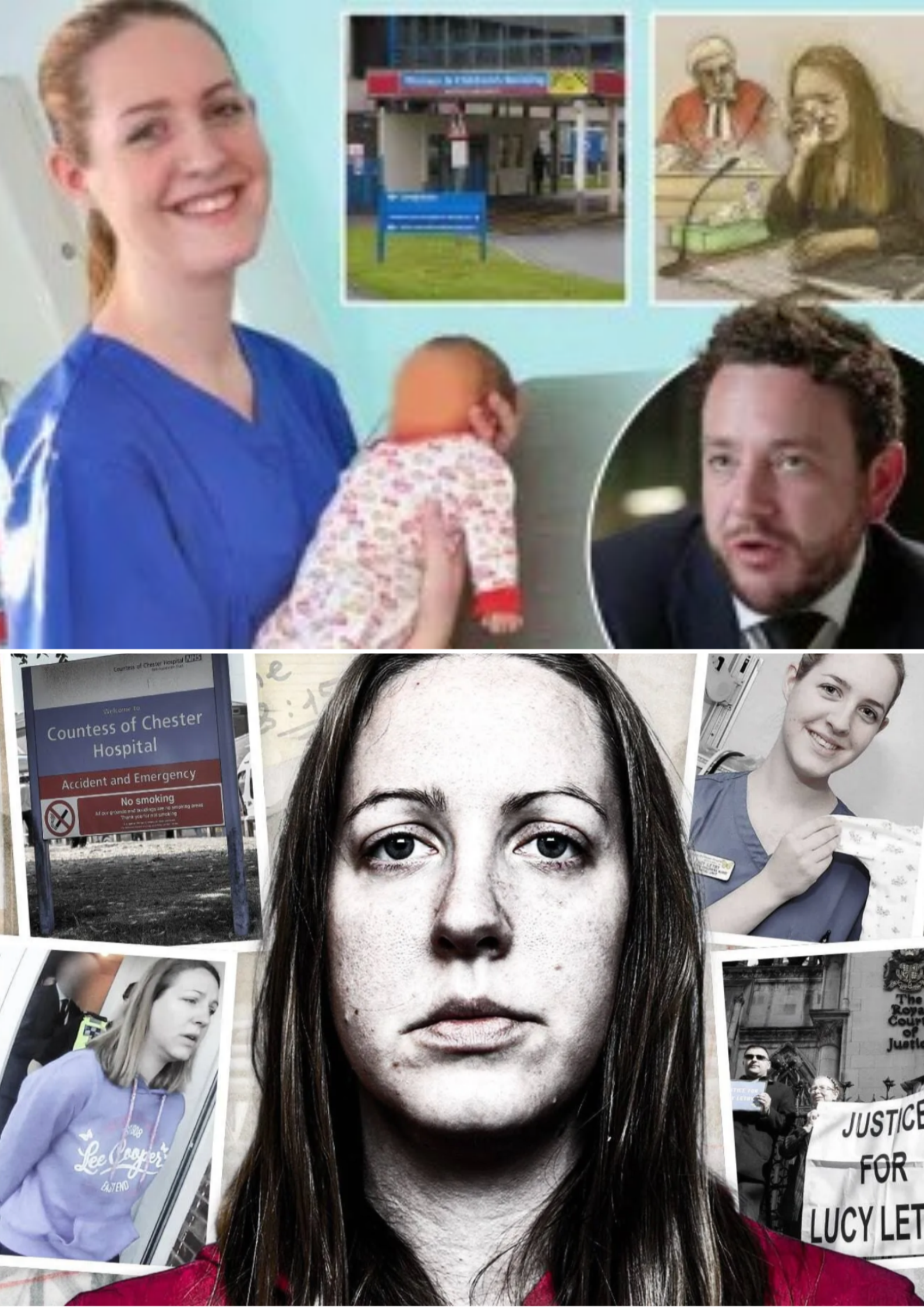
LUCY LETBY CASE: WHY QUESTIONS OVER THE EVIDENCE CONTINUE TO FUEL DEBATE
The case of Lucy Letby remains one of the most closely scrutinized criminal cases in Britain, more than three years after the former neonatal nurse was convicted of murdering babies and attempting to murder others at the Countess of Chester Hospital.
Letby was convicted in 2023 of murdering seven babies and attempting to murder six others. In a retrial in 2024, she was convicted of attempting to murder another baby. She was sentenced to multiple whole-life orders and remains in prison.
She continues to deny that she harmed the babies.
While the convictions remain in force, questions about the scientific evidence, hospital conditions and the interpretation of events in the neonatal unit have continued to attract attention from medical and statistical experts.
 WHAT WAS LETBY CONVICTED OF?
The prosecution case centred on a series of unexplained collapses and deaths involving babies who were being treated in the Countess of Chester Hospital’s neonatal unit between 2015 and 2016.
Prosecutors argued that Letby deliberately harmed babies by a number of methods, including injecting air into their bloodstreams or stomachs and administering excessive amounts of insulin.
The jury heard evidence from doctors, nurses, medical experts and investigators about the babies’ medical conditions and the circumstances surrounding their collapses.
Letby was ultimately convicted of murdering seven babies and attempting to murder seven others.
The convictions have not been overturned.
 WHY HAS THE EVIDENCE BECOME THE SUBJECT OF DEBATE?
Following the trials, a number of experts outside the original prosecution team began examining aspects of the evidence.
Some have questioned whether unusual medical events affecting the babies necessarily demonstrated deliberate poisoning or other criminal intervention.
Particular attention has been paid to the interpretation of medical records, statistical evidence and the causes of sudden deterioration among extremely vulnerable premature and sick newborns.
Some experts have also questioned the way the presence of Letby on the neonatal unit was interpreted in relation to the timing of the babies’ collapses.
Those criticisms do not themselves establish that the convictions were wrong. They represent arguments about how particular evidence should be interpreted and whether alternative explanations received sufficient consideration.
QUESTIONS ABOUT INSULIN EVIDENCE
One of the most closely debated issues concerns two babies whom prosecutors said were deliberately poisoned with insulin.
Experts who later reviewed aspects of the case have questioned whether the laboratory results conclusively demonstrated that the babies had received deliberate insulin injections.
In September 2026, two experts who had previously been involved with Letby’s defence team withdrew from the case.
Professor Helen Shannon and statistician Geoff Chase continued to stand by a view that it was “very unlikely” that the two babies had been poisoned with insulin, while disagreeing with other arguments being advanced by the defence.
Their departure from the legal team did not overturn any conviction.
The prosecution’s case remains the basis of the existing verdicts unless a court subsequently rules otherwise.
THE ROLE OF STATISTICS
Statistics have also become an important part of the wider debate.
During the original investigation and trial, prosecutors presented evidence concerning the number and timing of collapses and deaths in the neonatal unit.
The prosecution argued that the concentration of incidents around Letby’s shifts was significant.
Critics of that interpretatio