🚨💔 **LINDSAY CLANCY CASE: AN UNIDENTIFIED DNA TRACE IS NOW HAUNTING THE EVIDENCE**
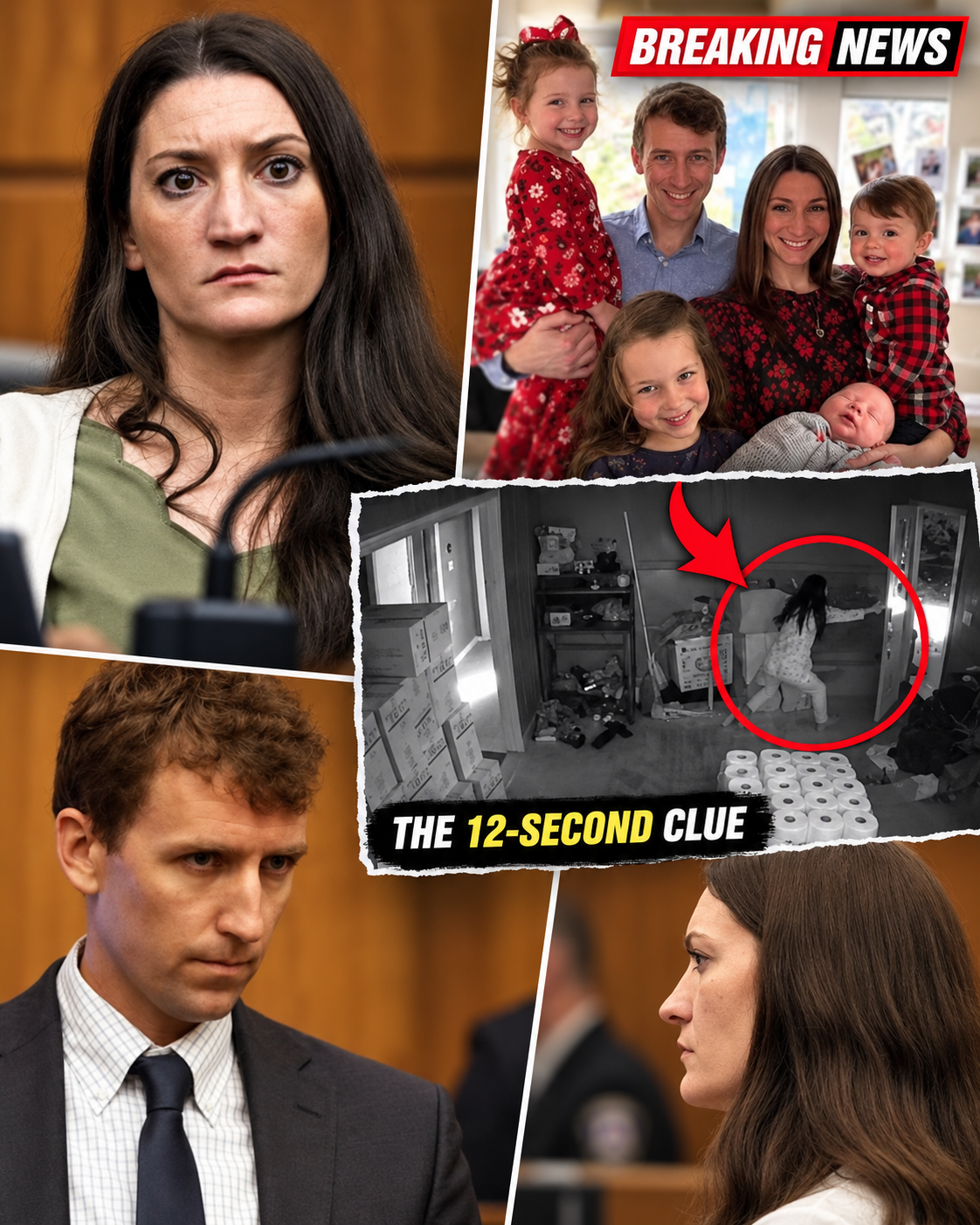
🚨💔 **LINDSAY CLANCY CASE: AN UNIDENTIFIED DNA TRACE IS NOW HAUNTING THE EVIDENCE**
The Lindsay Clancy case was already tearing a courtroom apart.
A Massachusetts mother. Three young children gone. A defense built on postpartum psychosis. A trial the country could not look away from.
Now a new claim is spreading: investigators allegedly recovered a biological trace that did not match Lindsay.
That is the sentence lighting up every comment section.
Here is what it does not mean — not yet.
“Unidentified DNA” is not automatically a second person in that house that night. It can be a visitor. A relative. A first responder. A technician. A smear left days earlier on a door, a toy, a piece of furniture. Modern labs can pick up amounts of DNA so small they transfer from one object to another without anyone realizing it.
The viral version of the story does not name the item. It does not publish the lab report. It does not say whether the profile is complete, partial, or a mixture. It does not say when the sample was collected — before medics flooded the scene, or after.
Without that, no one can honestly point at a stranger and call it proof.
What it can do is reopen the only questions that still matter.
Where was the sample found? Who had access to that object? Was the chain of custody clean? Did anyone compare it to responders and lab staff? Why wasn’t this explained to the public before now?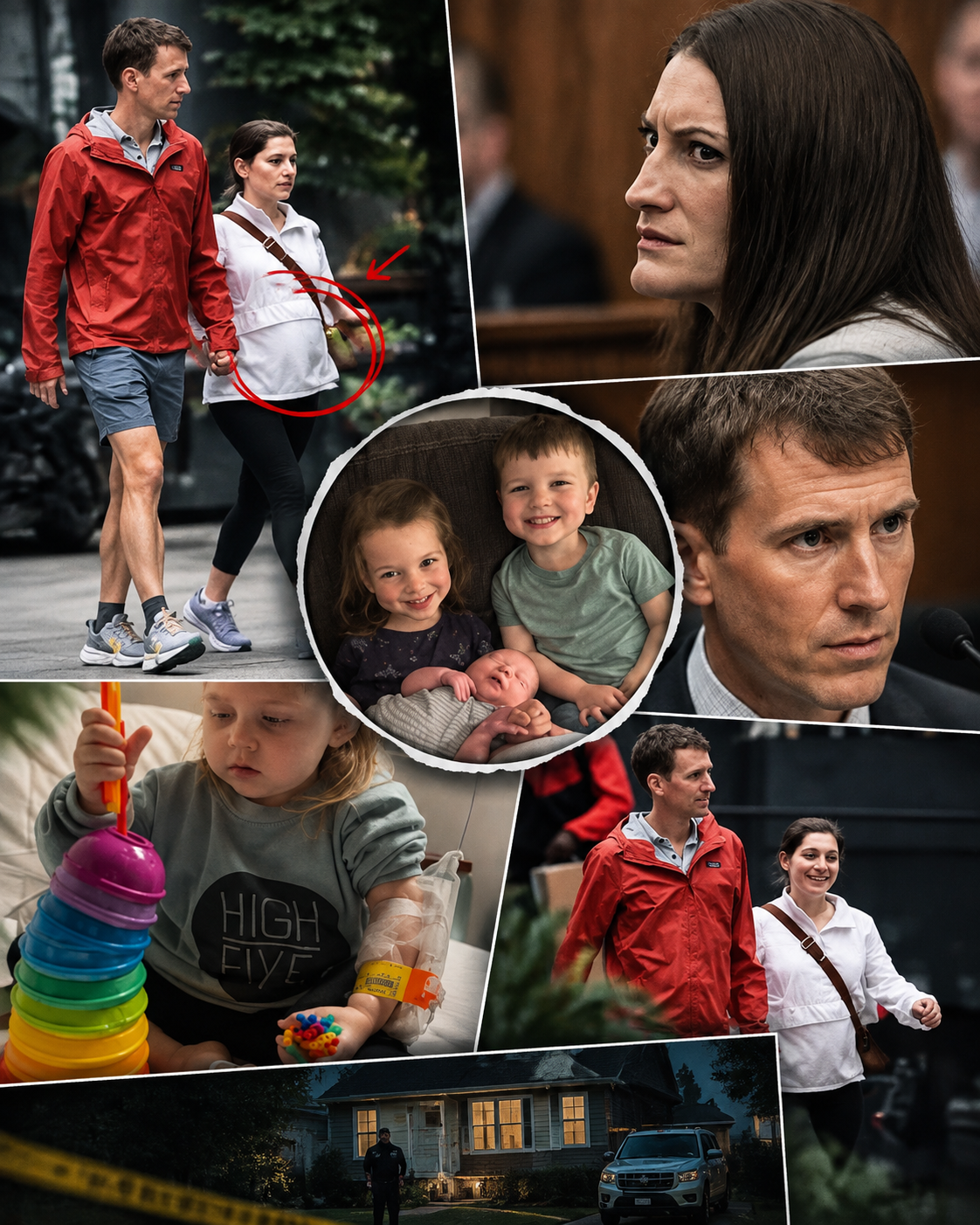
Lindsay’s name is already on every headline. Her husband. Her children. A jury that could not finish the job.
If there is a real unidentified profile sitting in a file, the public deserves the paperwork — not a rumor.
Three children never came out of that house. Their mother is still fighting for a verdict the first trial could not deliver.
What else was missed in those first hours after the sirens arrived?