Christa Pike’s Unusual Execution Request — Why She Asked for No Men to Be Involved

Christa Pike’s Unusual Execution Request — Why She Asked for No Men to Be Involved
NASHVILLE, Tenn. — Before Tennessee attempted to execute Christa Pike, her attorneys made an unusual request on her behalf: Pike wanted an all-female execution team involved in carrying out her sentence.
The request was connected to Pike’s documented history of childhood sexual abuse and trauma. Her legal team argued that being handled by male staff during the execution process could intensify the psychological harm she had already experienced.
Pike had also requested that Tennessee use a firing squad made up entirely of women rather than lethal injection, according to reporting ahead of her scheduled execution.
The request became one of the more unusual aspects of a case that had already drawn national attention.
Pike, now 50, was sentenced to death for the 1995 murder of 19-year-old Colleen Slemmer, a fellow participant in the Knoxville Job Corps program. Pike was 18 at the time of the killing.
Her attorneys have argued for years that Pike’s childhood abuse, trauma and other personal circumstances should have received greater consideration during sentencing. The issue became central to her final appeals and clemency request.
The Request Came as Her Execution Approached
Pike’s attorneys had sought an all-female team partly because of her history of sexual abuse. Reports before the execution indicated Tennessee officials intended to accommodate some of her privacy and security requests, but an all-female team was not guaranteed in every aspect of the procedure.
The unusual request came as Pike faced what was expected to be the first execution of a woman by Tennessee in more than 200 years.
Gov. Bill Lee had rejected Pike’s clemency petition, and the U.S. Supreme Court initially declined to stop the execution. A federal appeals court later issued a last-minute stay, but the Supreme Court subsequently allowed Tennessee to proceed.
The Execution Did Not Go as Planned
Pike was ultimately subjected to Tennessee’s lethal-injection procedure on Sept. 30.
According to Reuters, she survived after two syringes of chemicals were administered. Witnesses reported that she remained alive, and Pike was eventually transported from Riverbend Maximum Security Institution to an off-site medical facility.
The Tennessee Department of Correction said it had followed the state’s established execution protocol and that the protocol did not permit additional procedures beyond those carried out.
Gov. Bill Lee subsequently suspended Tennessee’s remaining executions for the year and ordered an independent review of what happened.
A Case Still Far From Over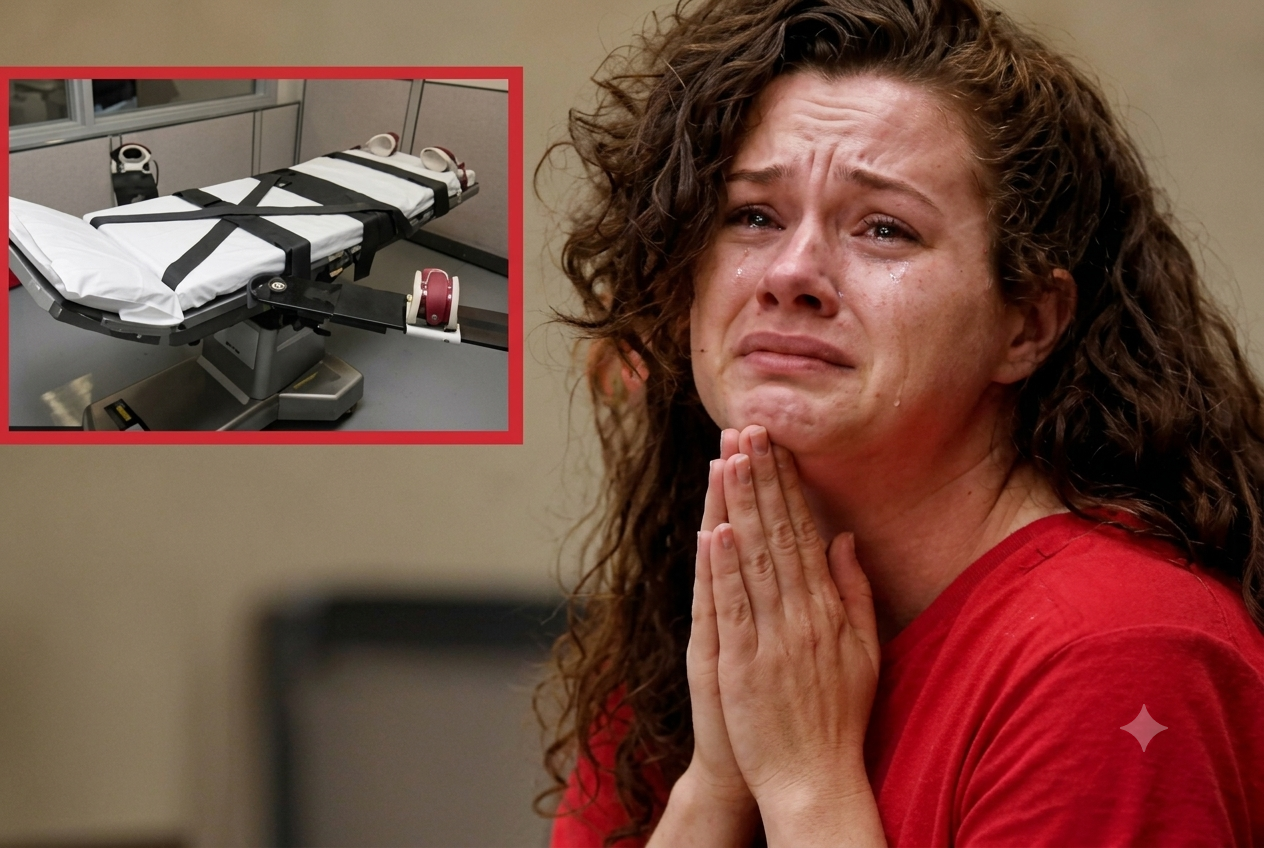
Pike’s unusual request now forms part of the broader questions surrounding the execution attempt, including the state’s procedures and the treatment of a prisoner with a documented history of childhood trauma.
Her conviction for Slemmer’s murder remains in place. The failed execution, however, has created a new and extraordinary chapter in a case that had already spent more than three decades moving through Tennessee’s courts.
For Pike, the request was never simply about who would be standing in the execution chamber.
It reflected the trauma her attorneys say has shaped her life since childhood — and the circumstances surrounding an execution that ultimately did not end as Tennessee officials had planned.