THE THALIDOMIDE TRAGEDY: A LESSON THAT CHANGED MODERN MEDICINE
THE THALIDOMIDE TRAGEDY: A LESSON THAT CHANGED MODERN MEDICINE
Introduced in 1957 as a sedative, thalidomide quickly became popular among pregnant women to relieve morning sickness. Marketed globally under names like Contergan and Distaval, its testing had failed to reveal devastating effects on embryonic development.
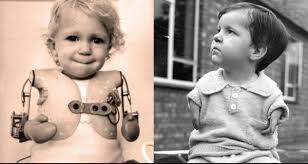
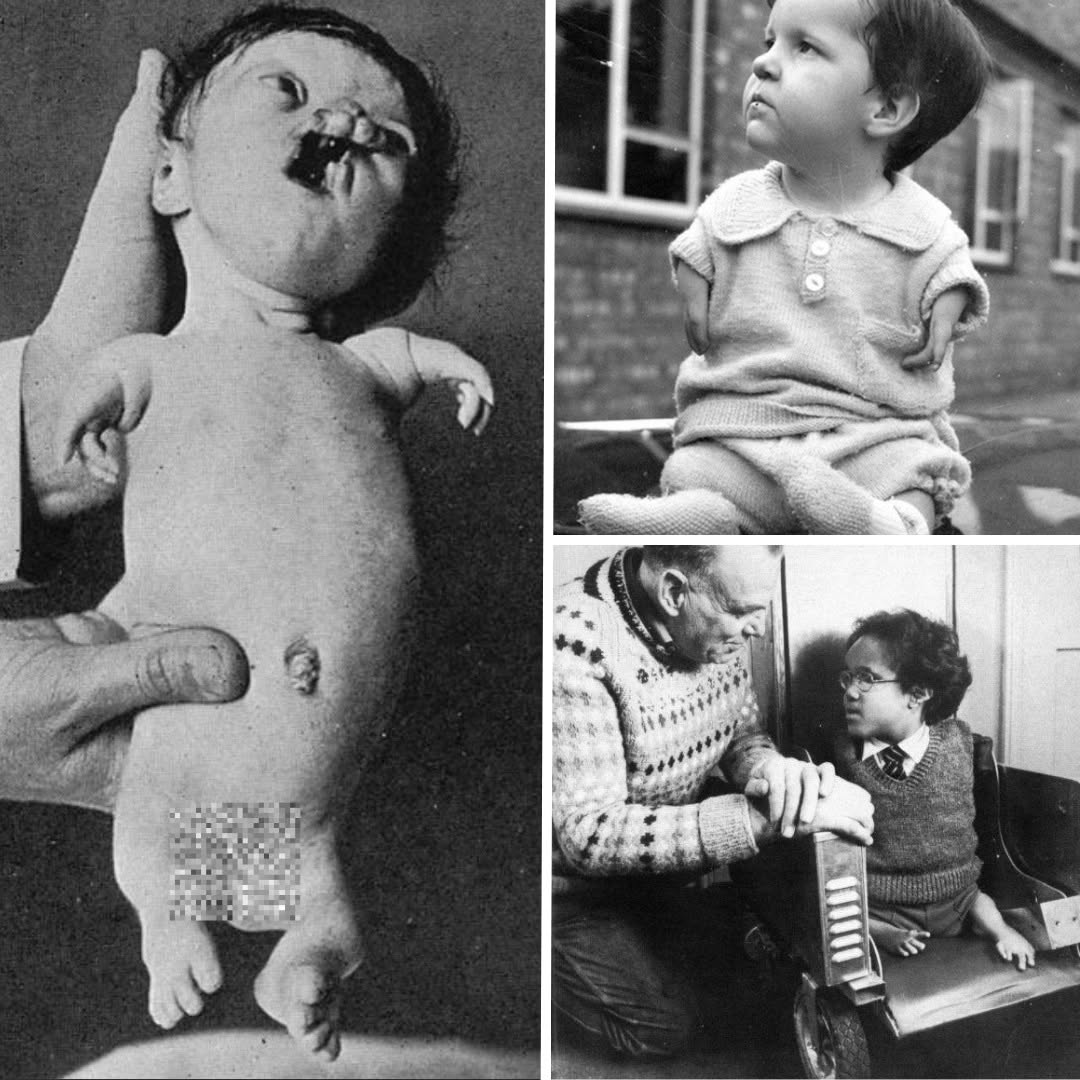
By the early 1960s, doctors noticed an unprecedented surge in severe birth defects, notably phocomelia, where limbs were missing or severely shortened. Exposure during early pregnancy also damaged internal organs, eyes, and ears. Independent investigations by Dr. William McBride and Dr. Widukind Lenz linked the crisis to thalidomide, leading to its global market withdrawal by 1962. More than 10,000 children were affected, along with countless miscarriages.

The United States largely avoided the tragedy due to Dr. Frances Oldham Kelsey at the FDA, who repeatedly blocked its approval over safety concerns. The disaster prompted major regulatory reforms worldwide, including the US 1962 Kefauver-Harris Amendments and Britain’s Medicines Act 1968, establishing mandatory proof of both safety and efficacy. Legal battles eventually established foundations for lifelong survivor care.
Though thalidomide was later repurposed for treating leprosy and multiple myeloma under strict protocols, its legacy transformed teratology and drug safety. The tragedy permanently reshaped pharmaceutical oversight, ensuring rigorous testing to protect future generations.