“THEY CALL ME GRANDMA” — SIX-YEAR-OLD GIRL WITH RARE SKIN CONDITION FACES BULLYING AS HER FAMILY FIGHTS FOR HER FUTURE
“THEY CALL ME GRANDMA” — SIX-YEAR-OLD GIRL WITH RARE SKIN CONDITION FACES BULLYING AS HER FAMILY FIGHTS FOR HER FUTURE
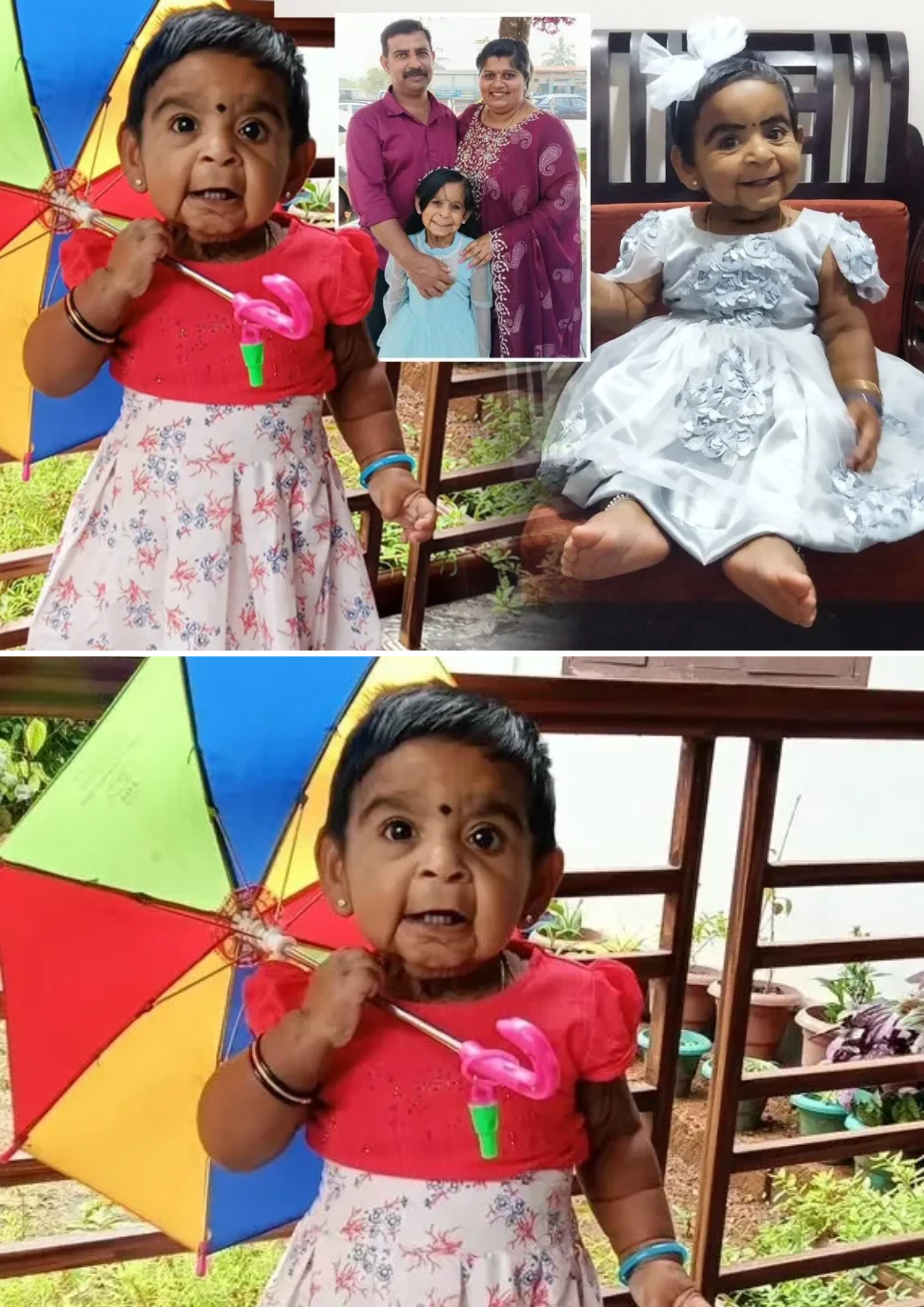
Aizza Akhil loves dancing, drawing and playing with friends — but a rare genetic condition has made everyday life at school painfully difficult
At just six years old, Aizza Akhil should be worrying about the ordinary things of childhood — playing with friends, drawing pictures and enjoying time at school.
Instead, the little girl from Wayanad, Kerala, India, has found herself facing cruel comments from other students because of a rare genetic condition that affects her skin.
Aizza lives with Cutis Laxa, a rare connective-tissue disorder that can cause the skin to become loose and lose its elasticity, sometimes creating a prematurely aged appearance. Medical sources note that the condition can also affect connective tissues involving organs such as the lungs, heart and blood vessels.
For Aizza, the condition has affected far more than her appearance.
It has changed the way other children see her — and forced her parents into a constant battle to secure the medical care she needs.
 “THEY CALL ME GRANDMA”
Aizza recently told The Sun that children at school have called her “grandma” and made comments about her skin.
In July, a group of older students reportedly laughed at her and teased her about looking different.
Aizza ran away in tears.
For a young child, such moments can leave a lasting emotional impact.
But despite the hurt, Aizza continues trying to enjoy the things that make her feel like any other six-year-old.
She loves dancing, drawing and playing with her friends.
Her family says they want people to see the child behind the condition — not simply the differences that others notice first.
 HER PARENTS FIRST NOTICED SOMETHING WAS WRONG AS A BABY
According to her mother, Anjali, 27, Aizza was born after what she described as a normal pregnancy and appeared healthy at birth.
But when Aizza was around six months old, her parents noticed that her skin had begun changing.
They did not understand what was happening.
The family visited more than a dozen doctors across Kerala before Aizza was officially diagnosed at around nine months old.
For Anjali and Aizza’s father, Akhil KC, 32, the diagnosis was overwhelming.
They had never heard of the condition before and suddenly had to learn how to care for a child with a rare disorder they knew very little about.
A RARE CONDITION WITH WIDER HEALTH EFFECTS
Cutis Laxa is not simply a cosmetic condition.
According to the U.S. National Institutes of Health’s Genetic and Rare Diseases Information Center, the disorder affects connective tissue and can involve multiple parts of the body.
The skin can become loose, sagging and less elastic because of abnormalities involving elastic fibers.
Depending on the form of Cutis Laxa, other organs can also be affected, including the lungs and cardiovascular system.
Medical literature describes the condition as highly variable, meaning the severity and organs affected can differ considerably from one person to another.
For Aizza, her family says she already experiences respiratory difficulties as well as dry and itchy skin.
She requires daily medication and regular medical care.
A FAMILY STRUGGLING WITH THE COST OF CARE
The medical needs have also created enormous financial pressure for Aizza’s parents.
According to her mother, her ongoing treatment costs the family as much as 20,000 Indian rupees — around £160 — every month.
Her father works as a security guard and reportedly earns the equivalent of around £120 per month, leaving the family struggling to cover both everyday expenses and Aizza’s medical needs.
Earlier this year, Aizza also underwent surgery after skin around her left eyebrow began affecting her eye.
The operation reportedly cost her parents almost £800.
Her doctors have warned that additional surgeries may be necessary as she grows.
HER PARENTS HAVE ONE SIMPLE WISH
For Anjali and Akhil, the goal is not about making their daughter look like everyone else.
They want her to have the opportunity to live a safe, healthy and happy life.
Anjali said the family wants to provide Aizza with everything they can and allow her to experience as normal a childhood as possible.
That means continuing medical treatment, preparing for future procedures and helping her cope with the emotional challenges that come with being visibly different.
For parents already facing significant financial pressure, the road ahead remains uncertain.
THE SCHOOL HAS STARTED TO UNDERSTAND
There has, however, been a small but meaningful change.
After Aizza’s family spoke with her teachers, the school reportedly organised an assembly to explain her condition to other students.
Her uncle, Arjun George, said the response from classmates has gradually improved.
Students have reportedly become more understanding toward Aizza after learning why she looks different.
For her family, that change offers hope.
Education may not cure Aizza’s condition, but understanding can make a huge difference to the way she experiences school and childhood.
MORE THAN HER CONDITION
Aizza’s story is ultimately about much more than a rare medical diagnosis.
She is a six-year-old girl who likes to dance.
She likes to draw.
She wants to play with her friends.
And she is learning how to navigate a world where people sometimes notice her appearance before they notice the child she is.
Her parents are now appealing for support as they try to meet the costs of her treatment and future surgeries.
Their hope is simple: that Aizza will be able to grow up with the medical care she needs and without allowing cruel comments to define who she becomes.
“WE WANT HER TO LIVE A NORMAL AND HAPPY LIFE”
For Anjali and Akhil, every medical appointment, every treatment and every financial sacrifice comes back to the same goal.
Aizza’s future.
They know her condition may require lifelong care, and they know there may be more difficult moments ahead.
But they also see the little girl who dances, draws and wants to play.
And that is the Aizza they want the world to see.
Not a diagnosis.
Not a target for cruel jokes.
Not a child defined by how different she looks.
Just a six-year-old girl who deserves the chance to grow up, dream and live a happy life.