Did Christa Pike’s Lack of Food or Water Play a Role in Her Failed Execution?
Did Christa Pike’s Lack of Food or Water Play a Role in Her Failed Execution?
NASHVILLE, Tenn. — One detail from Christa Pike’s failed execution is now raising a surprising question: Could dehydration have made it harder for Tennessee officials to establish the IV access needed to deliver the lethal drug?
The answer is possible — but there is no evidence that Pike deliberately dehydrated herself to survive the execution.
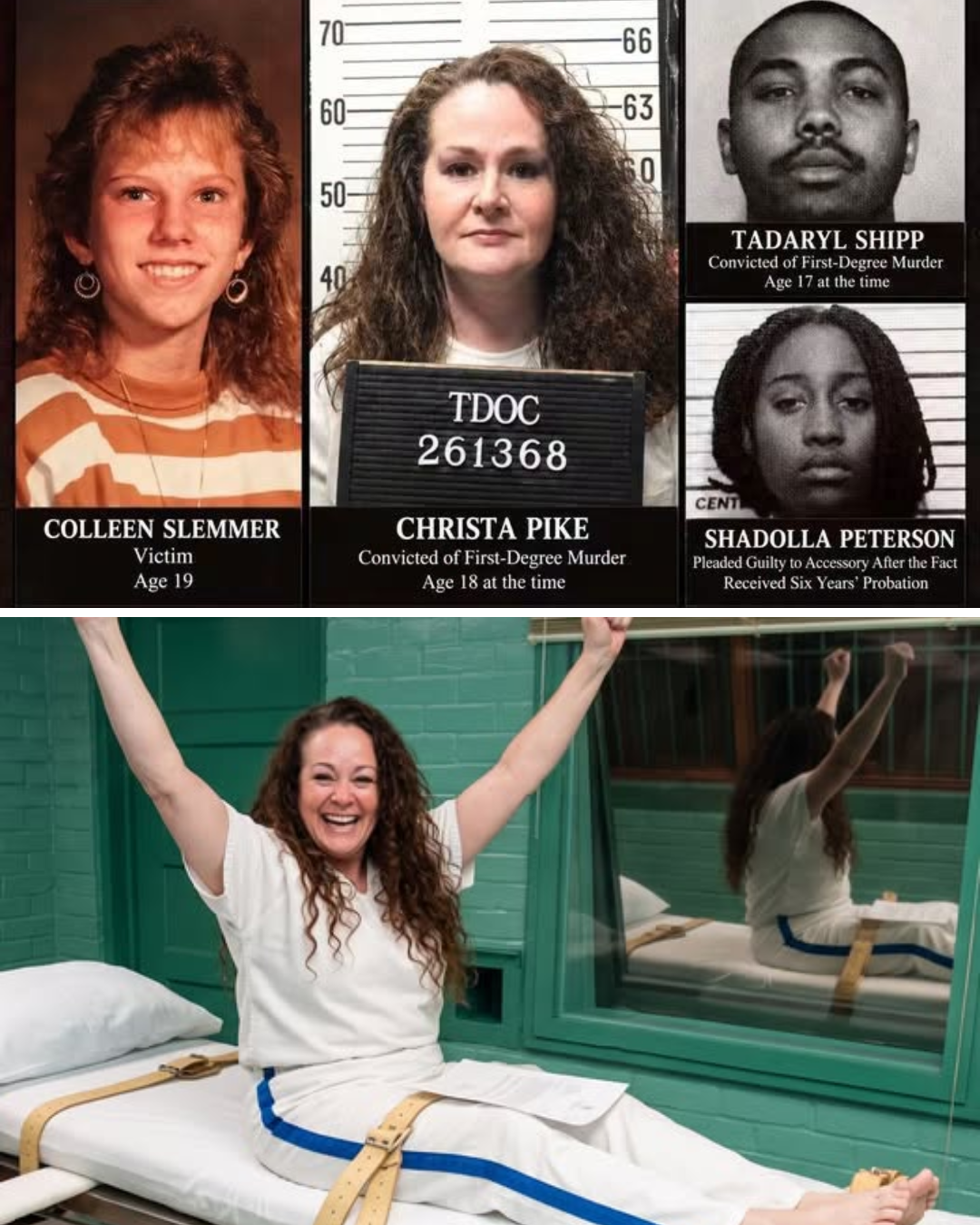
What is known is that Pike’s execution on September 30 failed after Tennessee administered two doses of pentobarbital. She remained alive, was taken to a hospital and later remained unconscious on a ventilator, according to her attorney.
The IV Problem May Be the Key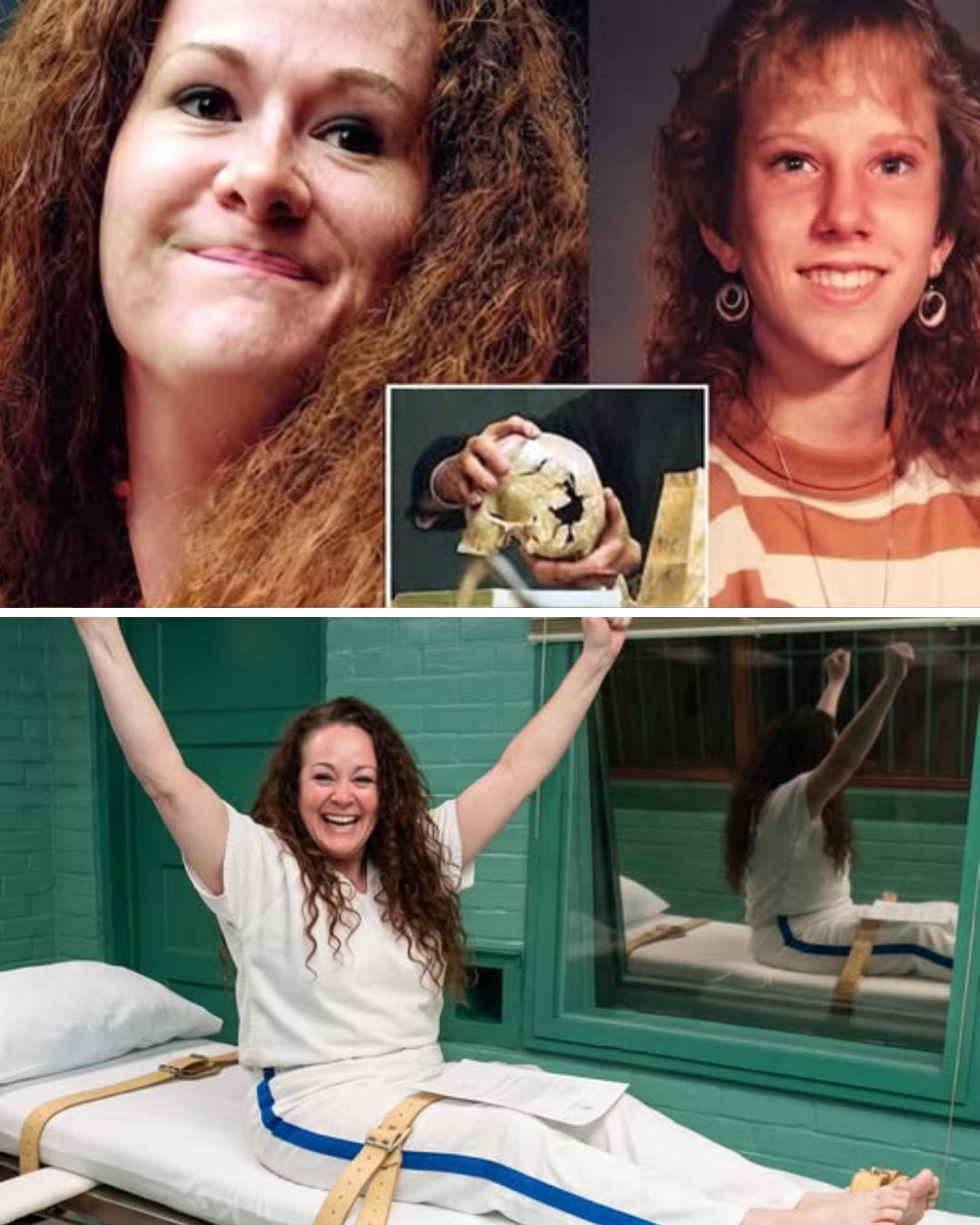
Dr. Paul Allen, a Tennessee anesthesiology professor, said one possible explanation is that the needle did not properly enter Pike’s vein.
For pentobarbital to work as intended, it must reach the bloodstream through a properly placed IV.
Allen explained that dehydration can make veins more difficult to access.
“Not eating and drinking would make finding the vein and getting into the vein more difficult,” Allen said, while also noting that damaged veins can create additional problems.
That observation has fueled speculation about Pike’s preparation for the execution.
But it is important to separate what doctors say is medically possible from what Pike actually did.
Did Pike Refuse Food and Water?
This is where the story becomes much less certain.
Tennessee officials said Pike declined to select a specialized last meal. However, according to the state’s account, she did eat a meal during the period when her execution was temporarily stayed.
There is currently no reliable evidence establishing that Pike intentionally stopped drinking water for days before the execution.
A viral claim that she deliberately starved and dehydrated herself specifically to make her veins inaccessible has not been corroborated.
That distinction matters.
Refusing a traditional last meal is not the same thing as deliberately dehydrating yourself.
And even if someone were dehydrated, that would not automatically mean an execution would fail.
Pike Had Already Raised Concerns About Her Veins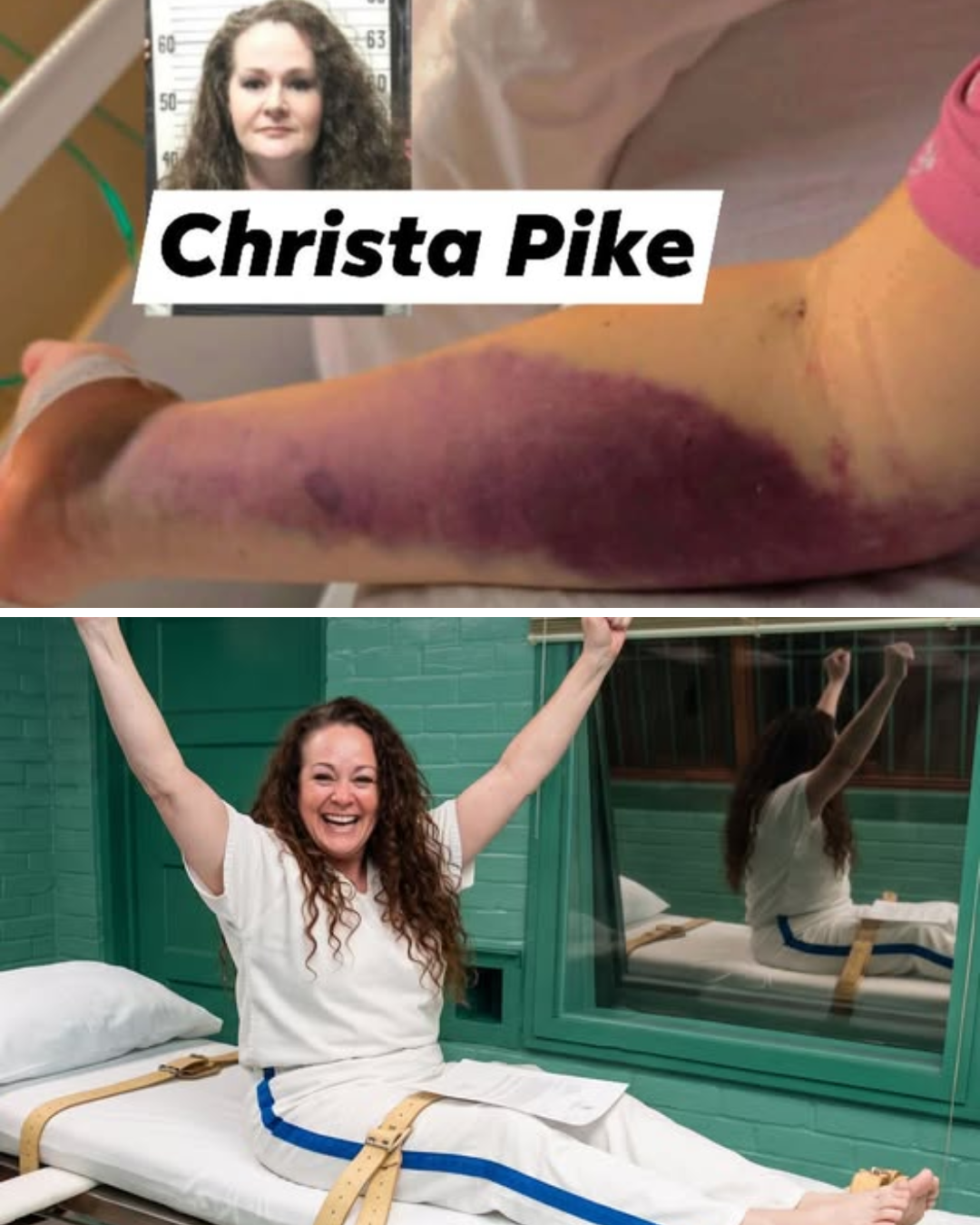
There was another important factor before the execution ever began.
Pike’s lawyers had previously warned courts that medical conditions could complicate the lethal-injection procedure.
Her legal team said she had thrombocytosis, a condition involving an elevated platelet count, and that medical workers had previously experienced difficulty drawing blood from her.
During the execution attempt, Pike’s lawyers later alleged that members of the execution team made multiple attempts to establish IV access and that the lines were not properly positioned.
They said pentobarbital entered surrounding tissue rather than reaching the bloodstream as intended.
Those allegations remain part of the independent investigation and have not been established as final findings.
What Happened Inside the Execution Chamber?
Witnesses reported that Pike complained that her arm was hurting or burning after the procedure began.
She later appeared to lose consciousness, but she continued breathing and made snoring-like sounds.
A second dose of pentobarbital was administered, yet Pike survived.
The state has said its execution team followed the established protocol. Tennessee Gov. Bill Lee subsequently ordered an independent investigation into what went wrong.
That investigation will be crucial.
It could determine whether the failure resulted from IV-access problems, Pike’s medical condition, equipment or procedural errors — or some combination of factors.
The Theory Is Interesting. The Evidence Is Not There Yet.
The idea that Pike intentionally dehydrated herself to make the execution more difficult is certainly generating attention online.
But right now, it remains speculation.
There is no public evidence showing that Pike planned to sabotage the execution by refusing water.
What medical experts have said is narrower: dehydration can make veins harder to access.
Whether Pike was significantly dehydrated, whether that affected the execution and whether any such condition contributed to the failed procedure are questions that investigators may be able to answer.
For now, one thing is clear.
Tennessee attempted to execute Christa Pike with two doses of pentobarbital — and she survived.
The unanswered question is no longer simply why the drugs failed to kill her.
It is why the execution team was unable to successfully deliver the drugs into her bloodstream in the first place.