HUSBAND ACCUSED OF PUSHING WIFE TO HER DE@TH — BUT HE INSISTS SHE FELL BY ACCIDENT
HUSBAND ACCUSED OF PUSHING WIFE TO HER DEATH — BUT HE INSISTS SHE FELL BY ACCIDENT
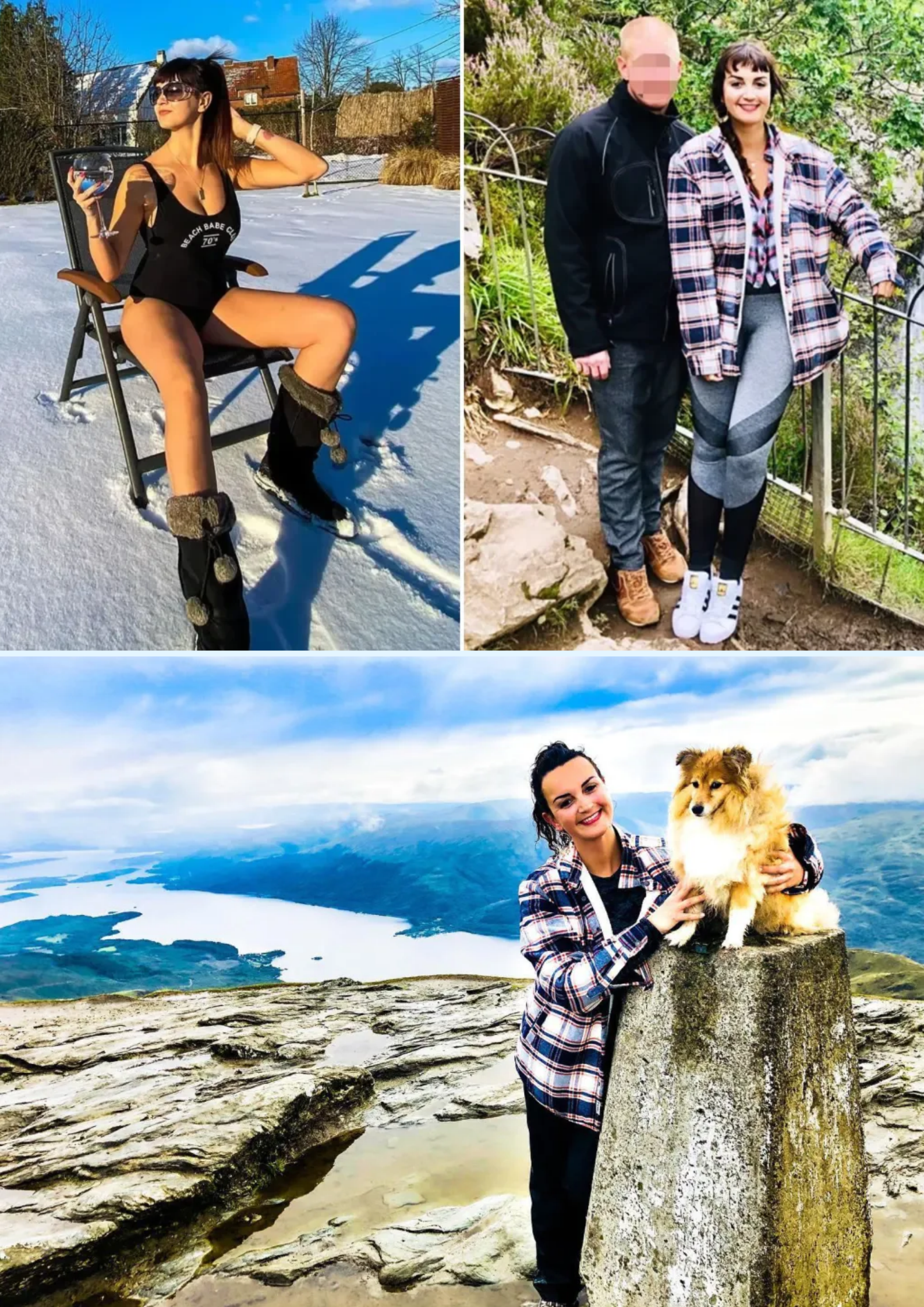
Zoë Snoeks, 33, plunged from a rocky outcrop in Belgium in 2021. Her husband says she accidentally fell while taking photographs. Prosecutors now believe there may be a very different explanation.
What was initially treated as a tragic accident has become a haunting murder investigation nearly five years later.
Zoë Snoeks, a 33-year-old influencer from Belgium, died on November 2, 2021, after falling from a rocky outcrop at Le Hérou near Nadrin, in the Belgian Ardennes.
She had been visiting the area with her husband, Joeri Janssen.
According to Joeri’s account, Zoë had been taking photographs when she suddenly fell.
He has consistently denied pushing her.
But prosecutors now believe her death may not have been an accident.
And a newly completed investigation has raised fresh questions about exactly what Joeri could have heard and seen in the moments before his wife’s fatal fall.
 THE FINAL MOMENTS ON THE CLIFF
Zoë was known for sharing photographs and videos of nature and outdoor adventures.
On the morning of November 2, 2021, she and Joeri were exploring the rocky area near the Ourthe River.
The couple had been married since 2012 and had reportedly known each other since their school days.
But during the outing, Zoë went over the edge of the rocky outcrop.
She fell approximately 100 feet, or around 30 metres, and died at the scene.
At first, authorities treated the death as an accident.
Joeri told investigators that he had briefly turned away because he was distracted by the couple’s dogs.
When he looked back, he said Zoë was suddenly gone.
He maintained that everything happened within only a few seconds.
 “I DIDN’T SEE OR HEAR ANYTHING”
Joeri’s version of events has remained consistent.
He said he did not see Zoë fall and did not hear her scream.
According to reports, he told investigators that when he turned back toward his wife, she had disappeared.
He said he heard no rustling, screams or shouts and only saw dust.
That account has become one of the central issues in the investigation.
A walker who was nearby reportedly told investigators that they heard a woman’s scream around the time Zoë fell.
That testimony directly conflicts with Joeri’s claim that he heard nothing.
The discrepancy became important enough for investigators to conduct a new sound test.
THE SOUND TEST THAT CHANGED THE CASE
The newly completed investigation included a reconstruction designed to determine whether Zoë’s scream could have been heard from Joeri’s location.
According to the findings reported by Belgian media, the result suggested that the scream would have been audible.
That has given prosecutors another reason to question Joeri’s account.
Zoë’s parents have long rejected the idea that their daughter simply fell accidentally.
Her father, Luc Snoeks, said the latest findings supported what the family had believed for years.
But the sound test does not, by itself, establish who caused Zoë’s fall.
It is one piece of evidence in a case that remains contested.
QUESTIONS OVER WHAT HAPPENED AFTER THE FALL
Investigators have also examined Joeri’s actions immediately after Zoë went over the cliff.
Reports say he did not immediately alert emergency services.
Investigators have questioned the route he took after the fall and his actions surrounding Zoë’s phone.
Prosecutors allege that footage on her phone was deleted after her death and that Joeri subsequently contacted people who could potentially recover the material.
Joeri’s side has disputed the significance of the phone evidence.
The investigation has also included a reported lie-detector test, which prosecutors say indicated that Joeri was not truthful when answering questions about the circumstances of Zoë’s death.
However, a lie-detector result is not proof of guilt and does not establish that a person committed a crime.
THE CASE WAS ONCE CLOSED AS AN ACCIDENT
One of the most remarkable aspects of the case is how dramatically the investigation has changed over time.
After Zoë’s death, the circumstances were initially treated as a tragic accident.
Her parents, however, never accepted that explanation.
They continued to question what had happened and pushed for a deeper investigation.
The Antwerp prosecutor’s office eventually became involved.
In October 2023, Joeri was arrested on suspicion of murder and spent about a year in custody before being released under conditions.
He has continued to deny any involvement in his wife’s death.
PROSECUTORS NOW WANT A MURDER TRIAL
The additional investigation requested during the case has now been completed.
The Antwerp public prosecutor’s office is seeking to send Joeri to Belgium’s Assize Court, where a jury could hear a murder case.
But this does not mean that a murder trial has already been ordered.
The case is due before the Turnhout council chamber on October 27.
That court will consider whether the case should proceed toward an Assize Court trial.
Until that decision is made, Joeri remains accused — not convicted.
HIS LAWYER SAYS THE CASE IS BUILT ON ASSUMPTIONS
Joeri’s lawyer, Jan Swennen, has rejected the prosecution’s interpretation of the evidence.
He has argued that the case is based on “one-sided assumptions” that are not supported by the criminal file.
Joeri himself continues to insist that he did not push his wife and that her death was an accident.
That position has remained unchanged since the beginning of the investigation.
A FAMILY STILL WAITING FOR ANSWERS
For Zoë’s parents, nearly five years have passed without a definitive explanation of how their daughter died.
The new investigation has given them hope that the circumstances surrounding her final moments may finally be examined in court.
But there is still a significant legal step ahead.
The Turnhout council chamber must first decide whether the evidence justifies sending the case to an Assize Court.
Until then, two very different versions of Zoë’s final moments remain at the heart of the case.
Her husband says she accidentally fell while taking photographs.
Prosecutors believe she may have been deliberately pushed.
And investigators now say a new sound test challenges one of the most important parts of Joeri’s account.
Nearly five years after Zoë Snoeks fell to her death, her family is still waiting for the answer to one devastating question:
Was her death a tragic accident — or was she pushed?