A TRIUMPH OF SURVIVAL AND RECONSTRUCTION: THE JOHN THOMPSON STORY
A TRIUMPH OF SURVIVAL AND RECONSTRUCTION: THE JOHN THOMPSON STORY
On January 11, 1992, 18-year-old John Thompson suffered a catastrophic accident while working alone on his family’s farm in Hurdsfield, North Dakota. Slipping into a tractor power-takeoff shaft, both of his arms were severed several inches below the shoulders. Demonstrating extraordinary fortitude, Thompson regained consciousness, walked 100 yards to the farmhouse without arms for balance, used his mouth to open doors, and dialed for help holding a pencil in his teeth. While awaiting rescuers, he even stood in the bathroom to avoid staining his mother’s carpet.
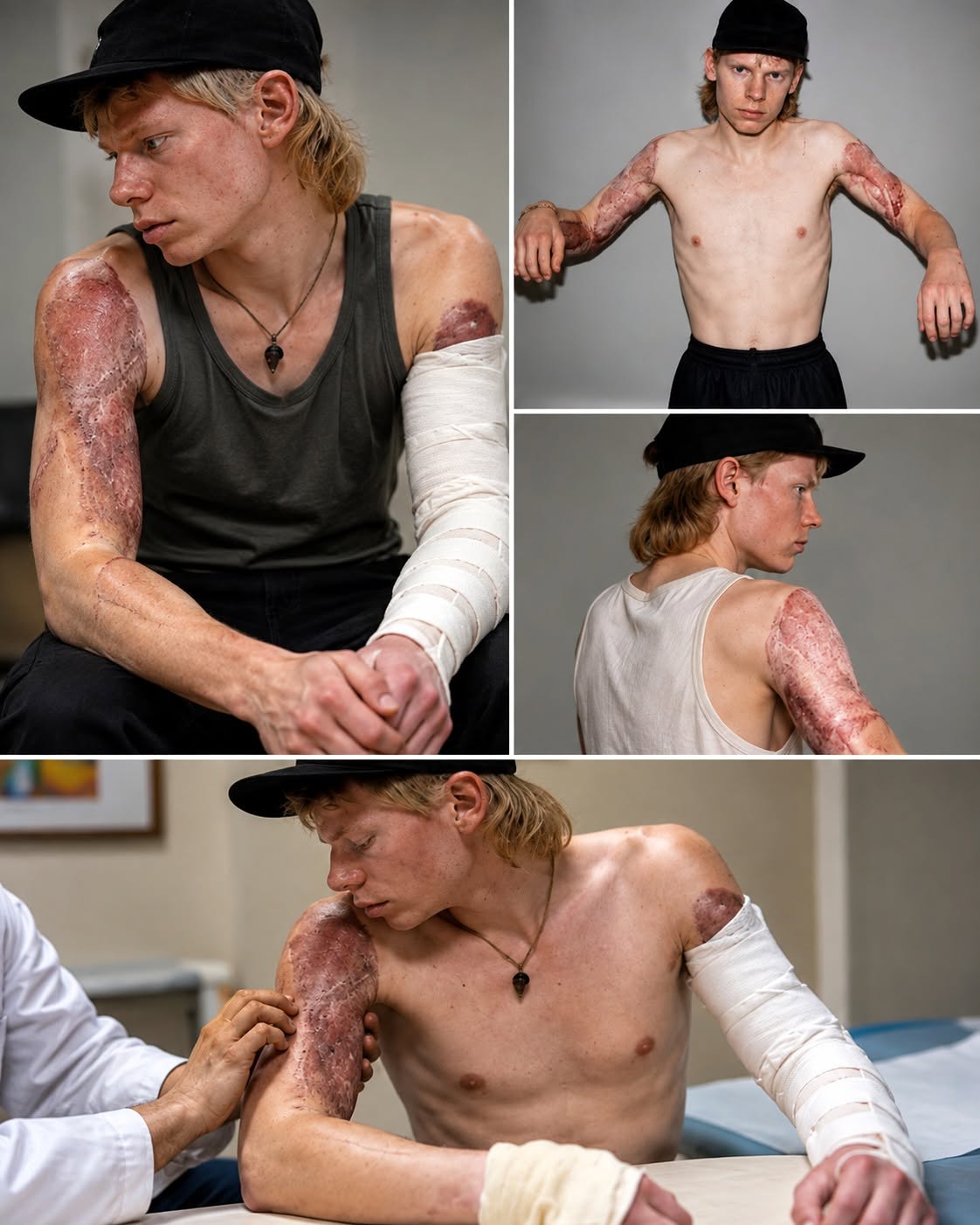
Emergency personnel quickly preserved the severed limbs on ice—a critical step for potential replantation. Thompson was transported to North Memorial Medical Center near Minneapolis, where a surgical team led by Dr. Allen Van Beek performed a complex microsurgical operation lasting over six hours. Surgeons shortened and plated the damaged humerus bones, restored blood flow through delicate vascular connections, and reattached major nerves.4
Though Thompson regained functional movement in both arms, nerve regeneration reached its limits, leaving his hands with reduced dexterity and sensation. Rather than opting for modern prosthetics, Thompson chose to adapt, eventually working as a realtor and farm safety advocate. Over three decades later, his case remains a testament to human resilience, emergency response, and pioneering microsurgery.