JAMAAL HOWARD, 46, EXECUTED IN TEXAS — HIS FINAL WORDS TO THE VICTIM’S FAMILY
JAMAAL HOWARD, 46, EXECUTED IN TEXAS — HIS FINAL WORDS TO THE VICTIM’S FAMILY
The Texas death-row inmate apologized to the family of Vickie Swartout before his execution, as last-minute legal challenges over his intellectual disability and the state’s lethal-injection drug were rejected.
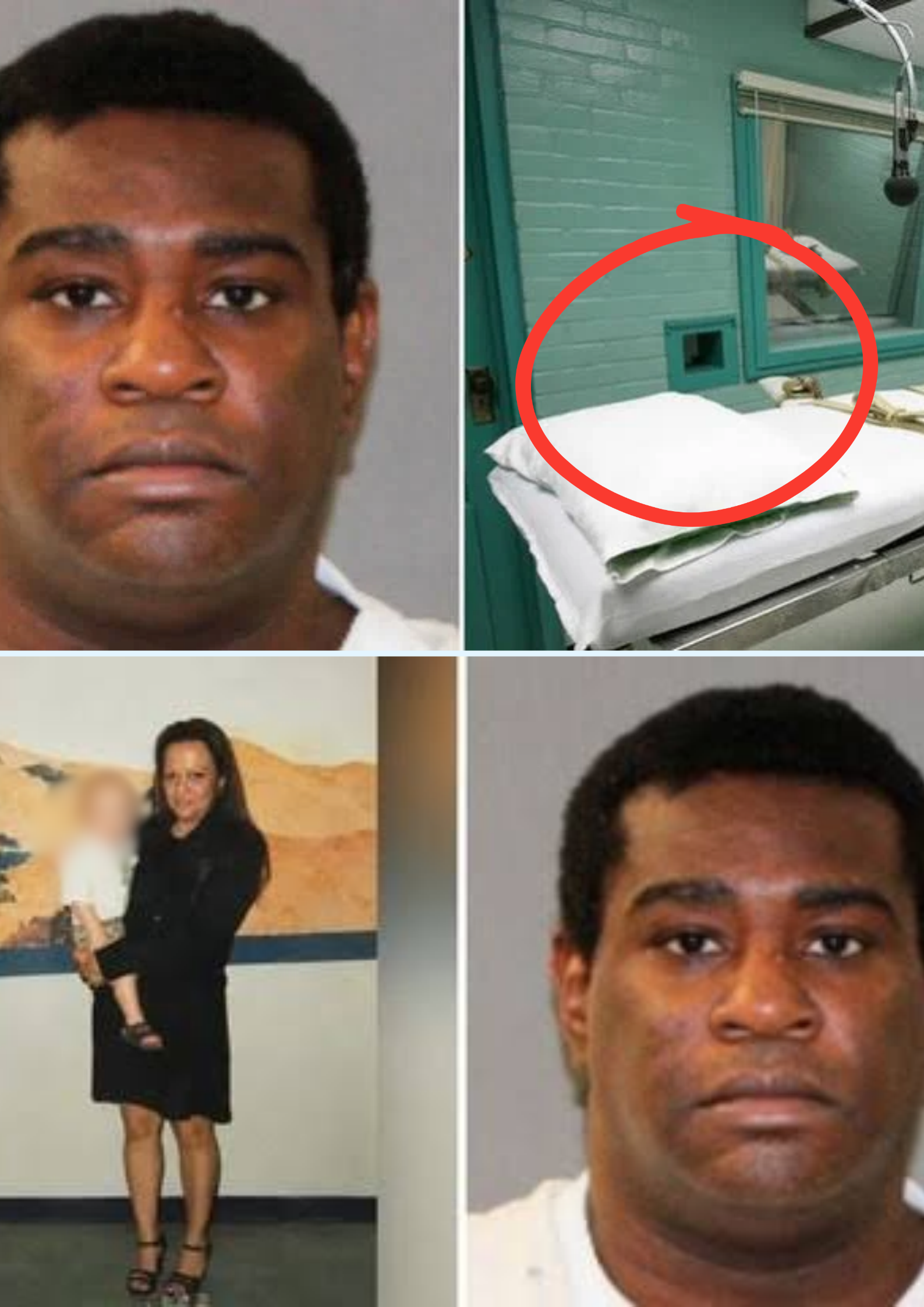
Jamaal Howard, 46, was executed in Texas on October 7, 2026, for the 2000 killing of convenience-store clerk Vickie Swartout during a robbery.
Howard was pronounced dead at 8:03 p.m. local time at the state prison in Huntsville, according to the Texas Department of Criminal Justice. His execution was the first in the United States since a failed lethal-injection attempt involving Tennessee inmate Christa Pike raised fresh questions about the procedure. <Cite refs=\
In his final statement, Howard addressed Swartout’s family, who watched the execution from a nearby witness room.
“I wish that you accept my apology, and I wish for your forgiveness,” he said.
He also expressed hope that the family could find peace and closure, before thanking his own relatives and people who had supported him during his time in prison.
 THE ROBBERY THAT LED TO A DEATH SENTENCE
The case dates back to May 12, 2000, when Howard, then 20, robbed a convenience store in Silsbee, a small town in southeastern Texas.
According to state records, Swartout, 42, was working as the store clerk when Howard shot her once in the chest. He took $114 from the cash register before leaving.
Surveillance footage from the store formed part of the evidence presented against him. Howard was convicted of capital murder in 2001 and sentenced to death. \
For Swartout’s loved ones, the execution brought the case to another major turning point more than 26 years after the killing.
 LAST-MINUTE APPEALS FAIL
Howard’s attorneys made several attempts to stop the execution.
They challenged the state’s assessment of his intellectual capacity and argued that executing a person with an intellectual disability would violate constitutional protections. The courts did not grant relief on those grounds.
His legal team also sought a delay because of concerns about pentobarbital, the drug Texas uses in lethal injections. Their concerns intensified after Christa Pike survived two doses of the same drug during an unsuccessful execution attempt in Tennessee on September 30. \\
Howard’s attorneys requested information about the drug Texas planned to use, including questions about its storage and expiration status. They argued that the state’s refusal to disclose the details prevented them from properly assessing the risk.
They also asked Texas Governor Greg Abbott to delay the execution for 30 days while they sought further information. The request was not granted, and state and federal courts rejected the final attempts to halt the procedure.\
WITNESSES DESCRIBE HIS FINAL HOURS
According to reporting by The Associated Press, Howard remained talkative during the journey from the death-row prison to the Huntsville execution facility.
A spokesperson for the Texas Department of Criminal Justice said he made small talk with officers and continued asking questions during the process. <Cite refs={[“turn816475search2”]}/>
Witnesses later observed physical reactions as the lethal-injection drug took effect. The execution concluded with Howard’s death being officially recorded at 8:03 p.m.
The case has drawn additional attention because it followed the failed attempt to execute Pike, whose attorneys have alleged problems with intravenous access and the condition of Tennessee’s execution drug. Those allegations have prompted scrutiny, but the circumstances of Pike’s case should not automatically be assumed to establish what happened during Howard’s execution.
A FINAL APOLOGY — AND A WIDER DEBATE
Howard’s last words focused on the family of the woman he had been convicted of killing.
He apologised, asked for forgiveness and expressed a wish that Swartout’s relatives could find peace. He then thanked his own family and people who had helped him during difficult periods of his life.
His execution has renewed debate over the death penalty, the reliability of lethal-injection procedures and the legal protections available to condemned prisoners.
For Swartout’s family, the execution marked the conclusion of the legal process surrounding Howard’s sentence. For opponents of capital punishment, the timing has raised further questions about whether states should proceed with executions while concerns about the drugs used remain unresolved.
Howard’s death was recorded by Texas authorities on October 7, 2026. His case now joins a growing list of executions that have prompted wider discussion about justice, accountability and the methods used to carry out the death penalty.
More than two decades after Vickie Swartout’s death, Howard’s final apology became the last public statement in a case that has now reached its conclusion.