LUCY LETBY CASE ROCKED BY NEW MEDICAL CHALLENGES — EXPERTS WITHDRAW AS HOSPITAL INQUIRY EXPOSES MAJOR FAILURES
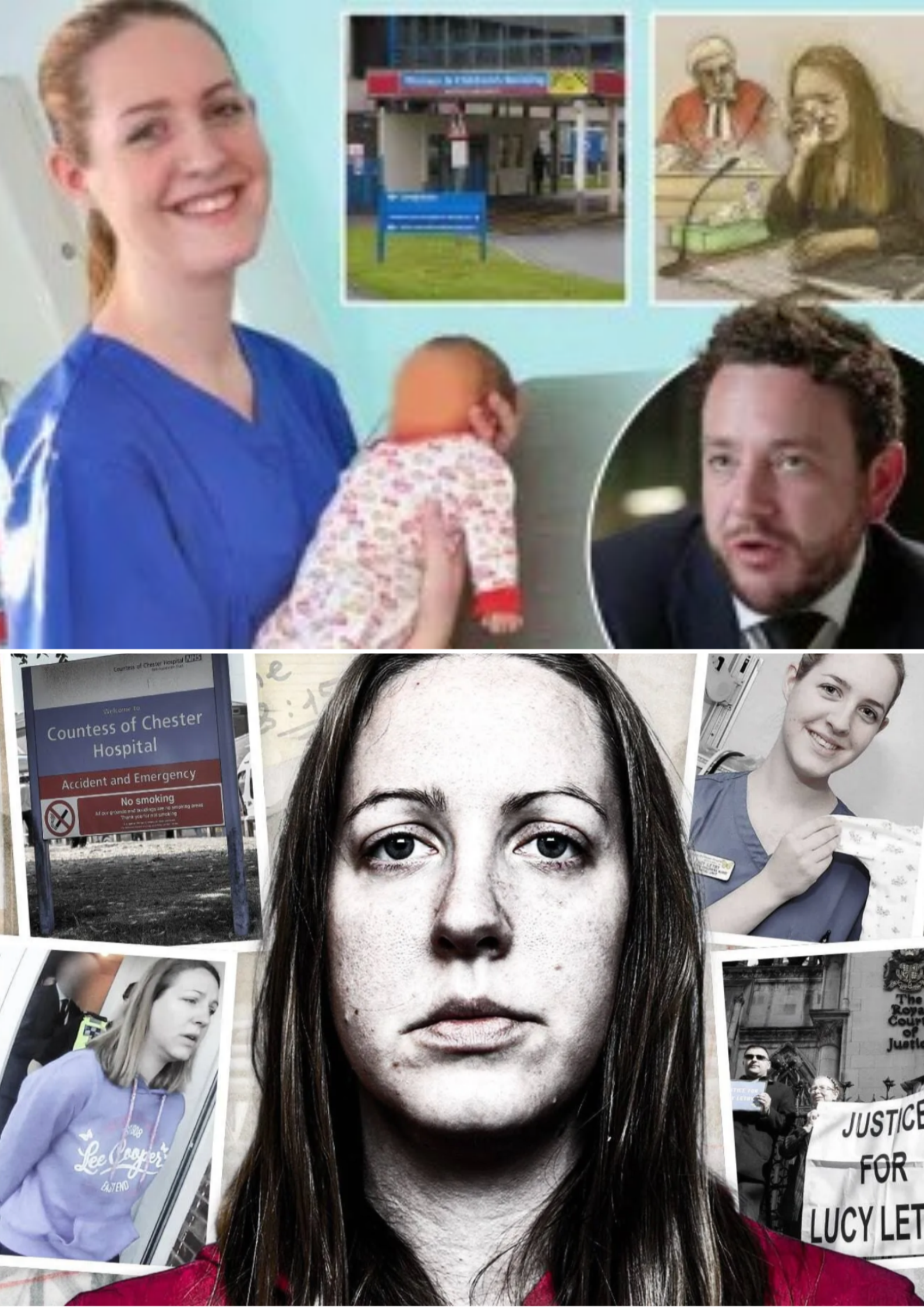
LUCY LETBY CASE ROCKED BY NEW MEDICAL CHALLENGES — EXPERTS WITHDRAW AS HOSPITAL INQUIRY EXPOSES MAJOR FAILURES
Fresh scrutiny of medical evidence and serious findings about hospital management have reignited debate over one of Britain’s most disturbing criminal cases. But her convictions remain in force as an independent body reviews new submissions.
The case of former neonatal nurse Lucy Letby has returned to the spotlight following new challenges to the medical evidence used in her trials and the publication of a major public inquiry into failures at the hospital where she worked.
Letby is serving 15 whole-life prison terms after being convicted of murdering seven babies and attempting to murder seven others at the Countess of Chester Hospital in England. She has consistently denied the allegations.
Now, a panel of medical specialists has questioned aspects of the prosecution’s interpretation of the babies’ deaths and collapses, while two experts involved in Letby’s defence have withdrawn from the legal team, citing serious concerns about some of the arguments being advanced.
 New Medical Reviews Challenge the Prosecution’s Case
In September 2026, Canadian neonatologist Dr Shoo Lee presented findings from an international panel of 14 specialists who reviewed medical evidence connected to the case.
The panel argued that some of the deaths and collapses could be explained by natural causes, infections or shortcomings in medical care. It also challenged aspects of the prosecution’s interpretation of suspected air embolisms and other clinical signs.
These conclusions have added another layer to the debate surrounding the case. However, the panel’s assessment represents a challenge to the evidence presented at trial; it has not, by itself, overturned any conviction.
 Why Did Two Defence Experts Withdraw?
Another significant development emerged when engineering expert Helen Shannon and bioengineering professor Geoff Chase withdrew from Letby’s defence team.
In a letter to the Criminal Cases Review Commission, the two experts raised concerns about certain arguments being advanced by the defence, describing some as scientifically unsupported and presenting what they considered fundamental problems.
Their withdrawal does not mean that they abandoned every aspect of their previous work. They continued to support their report concerning the insulin-related convictions, maintaining that poisoning was very unlikely in the cases they examined.
The development highlights the disagreement surrounding how complex medical and scientific evidence should be interpreted in Letby’s case.
Hospital Inquiry Reveals Serious Failures
On September 15, 2026, the Thirlwall Inquiry published its report on how concerns about babies’ collapses and deaths were handled at the Countess of Chester Hospital.
The inquiry found profound failures in management, governance and safeguarding. It concluded that some deaths and collapses could have been prevented had appropriate safeguarding procedures been followed and concerns acted upon sooner.
The report criticised delays in escalating concerns to the police, the relationship between hospital leadership and clinicians, and the way parents were informed about what had happened to their babies.
These findings raise serious questions about institutional responsibility and the protection of vulnerable infants. However, the inquiry examined how the hospital responded to concerns; it was not a criminal appeal and did not overturn Letby’s convictions.
Could the Convictions Be Reconsidered?
Letby’s legal team has submitted material to the Criminal Cases Review Commission (CCRC), the independent body responsible for investigating potential miscarriages of justice.
The commission can refer a case back to an appeal court if it considers that new evidence or arguments create a real possibility that a conviction may not be upheld.
As of the latest reports cited here, the review remains a separate process from the original trials. Letby’s previous attempts to appeal were unsuccessful, and her convictions remain legally in force. <Cite refs={[“turn503358search15″,”turn503358news3”]}/>
The central question is whether the new submissions will provide a sufficient basis for further judicial scrutiny. That decision rests with the appropriate legal authorities, not social media speculation.
A Case That Continues to Divide Public Opinion
For some observers, the medical challenges and inquiry findings justify renewed scrutiny of the evidence. Others point to the jury verdicts and the extensive proceedings that led to Letby’s convictions.
Amid the debate, the families of the babies involved remain at the heart of the case. Any further review must take their experiences into account while ensuring that the evidence is assessed carefully and fairly.
What happens next could be significant, but no final conclusion about the new claims should be drawn before the review process has run its course.
Do you believe complex medical evidence in a case like this deserves another independent examination when new experts challenge earlier conclusions? Share your thoughts respectfully in the comments.