THE ENDURING LEGACY OF ETAN PATZ AND A CRITICAL LEGAL UPDATE
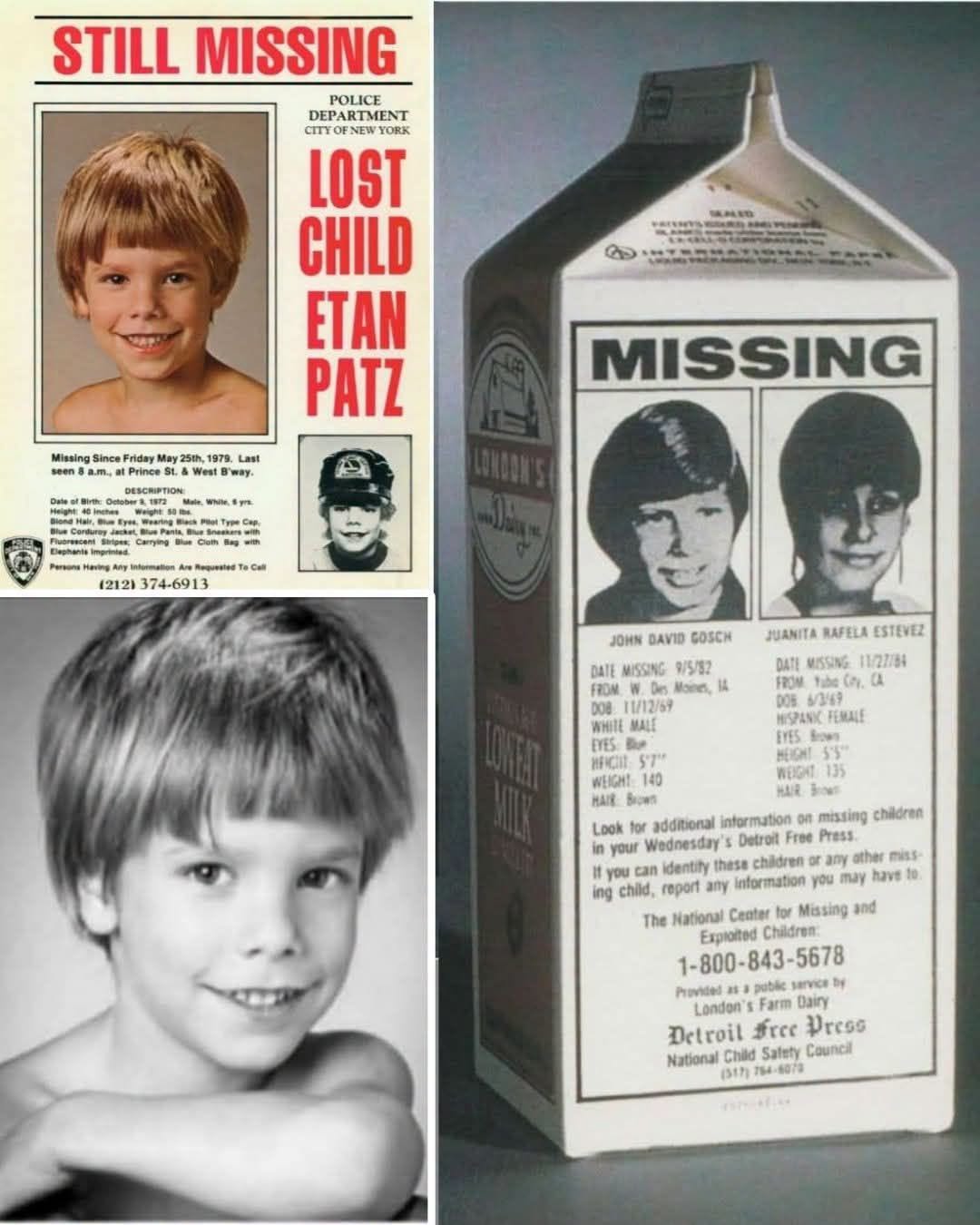
THE ENDURING LEGACY OF ETAN PATZ AND A CRITICAL LEGAL UPDATE
On what would have been Etan Patz’s 54th birthday, a major legal decision has brought renewed focus to one of America’s most heartbreaking missing child cases. Nearly 47 years after the six-year-old vanished on his way to a Manhattan school bus stop, the U.S. Supreme Court restored the murder conviction of Pedro Hernandez, allowing his sentence to stand after a lower federal appeals court had briefly overturned it.
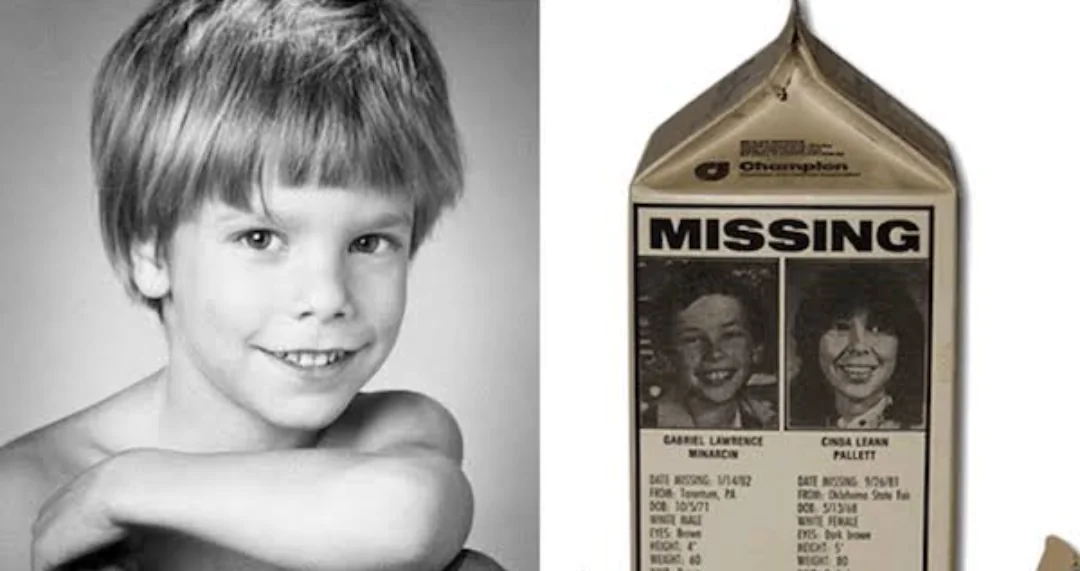
On May 25, 1979, Etan’s parents allowed him to walk two blocks alone to his bus stop for the very first time. He never made it, triggering an exhaustive search that yielded no immediate answers. It was not until 2012 that Hernandez, a former convenience store worker in the neighborhood, confessed to luring the child into a basement. He was convicted in 2017 and sentenced to 25 years to life, though his legal defense consistently questioned the reliability of his confession.
Beyond the courtroom, Etan’s disappearance permanently changed how the United States handles missing children. His face became one of the earliest to be featured on national milk carton campaigns, sparking widespread public awareness. Furthermore, the date of his disappearance was officially designated as National Missing Children’s Day to honor missing youth across the country.
While the Supreme Court’s ruling maintains legal accountability, Etan’s body has never been found. Nearly five decades after that tragic morning in SoHo, his family continues to navigate the complex legal aftermath, marking another birthday without answers or closure.