CHRISTA PIKE SURVIVED TWO LETHAL INJECTIONS — NOW 911 RECORDINGS REVEAL A DELAYED EMERGENCY RESPONSE
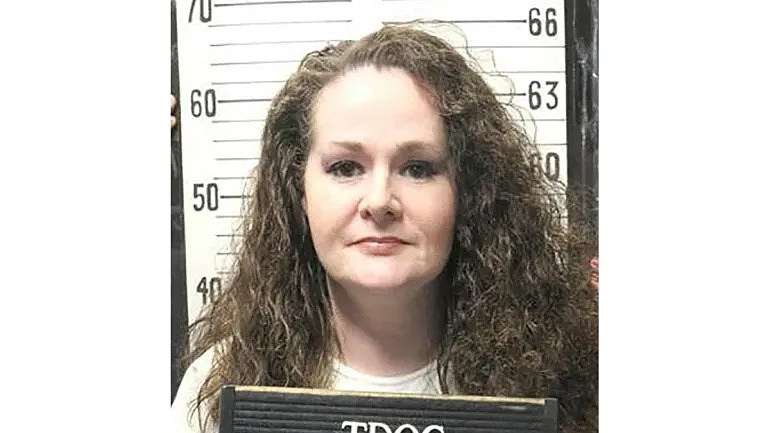
CHRISTA PIKE SURVIVED TWO LETHAL INJECTIONS — NOW 911 RECORDINGS REVEAL A DELAYED EMERGENCY RESPONSE
The Tennessee inmate survived a failed execution attempt involving two doses of pentobarbital. Her attorneys have raised concerns about severe arm injuries and the administration of the drugs, while newly released emergency recordings reveal confusion that delayed medical assistance.
NASHVILLE, TENNESSEE — Christa Pike was scheduled to become the first woman executed in Tennessee in more than 200 years. Instead, the September 30, 2026, procedure ended without her death, triggering urgent medical intervention and a growing investigation into what went wrong.
Pike, 50, survived two doses of pentobarbital, the drug used in Tennessee’s lethal-injection protocol. She was taken to a hospital in critical condition, placed on a ventilator and later regained consciousness.
Her attorneys have since described serious injuries to her arms and raised questions about whether the intravenous lines functioned as intended. Meanwhile, newly released 911 recordings have brought another issue into focus: the delay in getting emergency responders into the prison after the procedure failed.
The Tennessee Department of Correction has maintained that officials followed the state’s established execution protocol. The precise reason the procedure failed has not been conclusively established in the publicly available reporting.
 TWO DOSES — BUT PIKE REMAINED ALIVE
Pike’s execution began on the evening of September 30 at Riverbend Maximum Security Institution in Nashville.
According to reporting by The Associated Press, witnesses observed signs that she remained alive after the injections. They reportedly heard breathing and snoring-like sounds, including after the curtain in the execution chamber had been closed.
Her attorney, Randy Spivey, raised concerns about the condition of her arms and the repeated attempts to establish intravenous access. Her legal team has alleged that difficulties with the IV lines may have prevented the drug from entering her bloodstream as intended.
The lawyers described swelling, burns and blistering on her arms after she was transferred to hospital. They also reported that she experienced significant medical complications during her recovery.
These accounts have intensified scrutiny of the procedure. However, the precise mechanism behind the failed execution remains unresolved, and the allegations about the IV lines require further examination.
 NEW 911 RECORDINGS REVEAL CONFUSION
On October 12, recordings and transcripts of emergency calls provided a clearer picture of the response after the execution failed.
The first 911 call was made at approximately 8:40 p.m., more than an hour after the attempted execution had begun. The caller told the dispatcher that the prison had administered pentobarbital but that Pike was still alive and an ambulance was needed.
According to the Associated Press, the request was initially treated as potentially false because the caller could not provide the required verification information. Communications between dispatchers and prison control further complicated the process.
Prison officials did not confirm the legitimacy of the emergency call until approximately 9:11 p.m. That confirmation allowed responders to proceed through the prison’s security arrangements.
The recordings have raised questions about how an emergency inside an execution chamber was communicated and why the initial request for medical assistance was not accepted immediately.
The delay is now a significant part of the public scrutiny surrounding the incident. It does not, on its own, establish why the lethal-injection procedure failed.
PIKE HAS AWAKENED AND BEGUN RECOVERING
After being hospitalized in critical condition, Pike regained consciousness and began communicating, according to her attorneys.
Subsequent reporting indicated that she was able to take a few steps with assistance. Her recovery followed a period during which her legal team feared she might not survive.
Pike has since been discharged from the hospital and returned to the Debra K. Johnson Rehabilitation Center, the women’s prison where she had been held.
Her lawyers have continued to raise concerns about her physical condition, the effects of the procedure and the circumstances surrounding her treatment.
The recovery does not answer the central medical questions. Investigators will need to examine the drugs, equipment, administration records and other evidence to establish what happened during the attempt.
TENNESSEE SAYS ITS PROTOCOL WAS FOLLOWED
In a statement issued on the night of the failed execution, the Tennessee Department of Correction said it had followed every step of the state’s lawful, established execution protocol.
That position contrasts with the concerns raised by Pike’s attorneys about the IV lines and the injuries they say she sustained.
The state has not publicly provided a definitive explanation for why two doses failed to produce the intended outcome. The case has consequently prompted questions about the administration process, emergency procedures and the oversight of executions.
Governor Bill Lee has ordered an independent review and paused further executions while the state examines the incident.
A Tennessee judge has also ordered officials to preserve evidence related to the failed procedure, including materials that could help establish how the drugs were administered and what occurred inside the execution chamber.
The preservation order is important because it may allow investigators and the courts to examine the sequence of events rather than relying solely on competing accounts.
WHY THE CASE IS DRAWING NATIONAL ATTENTION
Pike was sentenced to death for the 1995 killing of her classmate, Colleen Slemmer, when Pike was 18. Her conviction and sentence have remained central to the legal history of the case.
The failed execution has introduced a new set of questions, however, concerning the state’s execution procedures and the medical response when the process did not end as intended.
The case has also renewed debate over lethal injection and the safeguards required when a state carries out a death sentence.
At present, the public record does not establish exactly why the procedure failed or whether a future execution attempt will take place. Those questions depend on the ongoing review and any subsequent legal proceedings.
WHAT HAPPENS NEXT?
The immediate focus is on understanding the medical complications, preserving evidence and examining the emergency response.
The newly released 911 recordings have added a timeline to the events after the injections, while Pike’s attorneys continue to question how the procedure was administered.
Tennessee officials, meanwhile, have said the established protocol was followed and are facing calls for greater transparency about the failure.
For now, one fact remains clear: Christa Pike survived an execution attempt that was intended to end her life. The reasons for that outcome — and the consequences for Tennessee’s execution system — remain unresolved.
As the investigation continues, the central question is no longer simply what happened inside the execution chamber, but whether the available evidence can explain why the procedure failed and why emergency assistance was delayed.