“SHE’S STILL VERY MUCH WITH US” — MARTIN FRIZELL’S HEARTBREAKING WORDS ABOUT WIFE FIONA PHILLIPS’ ALZHEIMER’S BATTLE
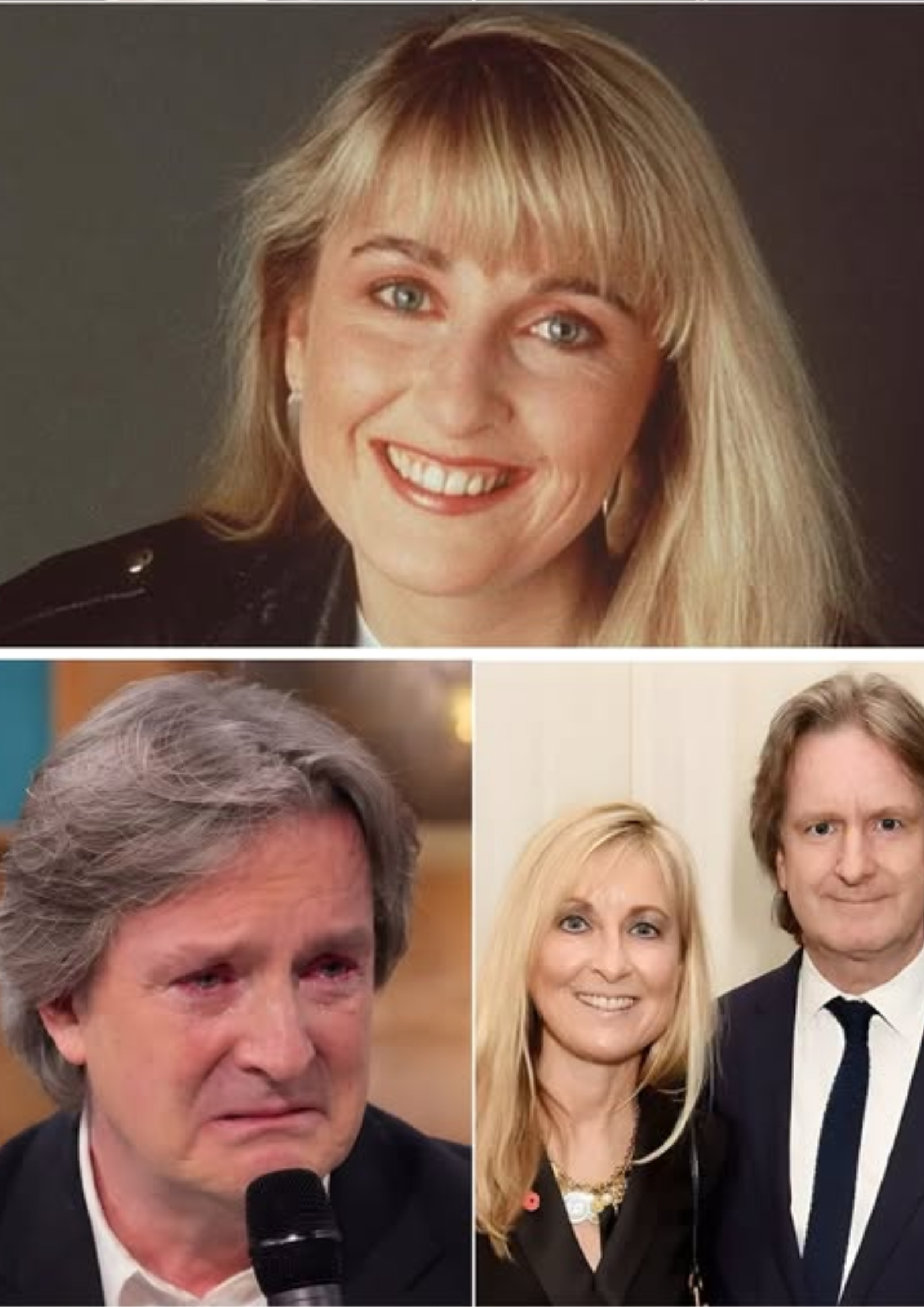
“SHE’S STILL VERY MUCH WITH US” — MARTIN FRIZELL’S HEARTBREAKING WORDS ABOUT WIFE FIONA PHILLIPS’ ALZHEIMER’S BATTLE
The former GMTV presenter is living with early-onset Alzheimer’s disease, while her husband has spoken openly about the emotional toll the condition has taken on their family.
For television viewers who remember Fiona Phillips as one of the familiar faces of British morning television, the news of her Alzheimer’s diagnosis has been deeply moving. Behind the scenes, her husband, Martin Frizell, has been navigating the painful reality of watching someone he loves live with a progressive illness.
Fiona publicly revealed her diagnosis in 2023, explaining that she had initially struggled with symptoms including brain fog and anxiety. She was diagnosed with early-onset Alzheimer’s in her early sixties, a condition that has since changed everyday life for her and her family.
 A husband speaking honestly about a painful journey
In February 2026, Martin appeared on ITV’s Good Morning Britain and shared an update about Fiona’s condition. He explained that she no longer wanted to talk openly about Alzheimer’s, describing this as her personal way of coping with the illness.
He also spoke about the emotional challenges of supporting his wife as her memory changes. In a separate interview on Lorraine, Martin said Fiona no longer remembered Christmas and New Year, describing how difficult it was for the family to witness those changes.
His words offered a glimpse into a reality many families affected by dementia know well: the person they love is still there, but familiar memories and routines can gradually become more difficult.
Questions about family history
Fiona’s diagnosis has also drawn attention to her family history. Both of her parents had Alzheimer’s, raising concerns about whether the condition might be inherited.
Martin addressed this during his February television appearance, saying the couple had undergone testing and had been told Fiona’s illness was not genetic, although her family history could mean she was more predisposed to developing it. This is an important distinction: a family history can influence risk, but it does not automatically mean a condition is inherited.
There has been no reliable confirmation in the sources reviewed of a new medical test result or a sudden announcement from Martin matching the viral claim circulating online.
 A family facing the uncertainty together
Fiona and Martin married in 1997 and have two sons, Nathaniel and Mackenzie. Throughout their relationship, they have shared both the joys of family life and the difficult realities of Fiona’s diagnosis.
Martin has also used his public platform to call for greater attention and funding for Alzheimer’s research, highlighting the challenges faced by people diagnosed at a younger age and the families who care for them.
Alzheimer’s is a progressive condition, and every family’s experience is different. While there is currently no cure, medical care and support can help people living with the disease and those closest to them navigate its challenges.
Remembering the woman beyond the diagnosis
Fiona Phillips built a celebrated broadcasting career, becoming a familiar presence on GMTV for many years. Her story is about more than a medical diagnosis: it is also about a woman, a wife and a mother whose life and identity extend far beyond her illness.
For Martin, speaking publicly has meant sharing some of the most personal parts of their lives in the hope that greater awareness will help other families facing similar circumstances.
Have Fiona and Martin’s honest conversations helped you better understand the impact Alzheimer’s can have on families? Share your thoughts respectfully in the comments.
Sources