“SHE SURVIVED TENNESSEE’S EXECUTION ATTEMPT — BUT HER ATTORNEYS SAY HER ARMS WERE LEFT SWOLLEN, BURNED AND BLISTERED”
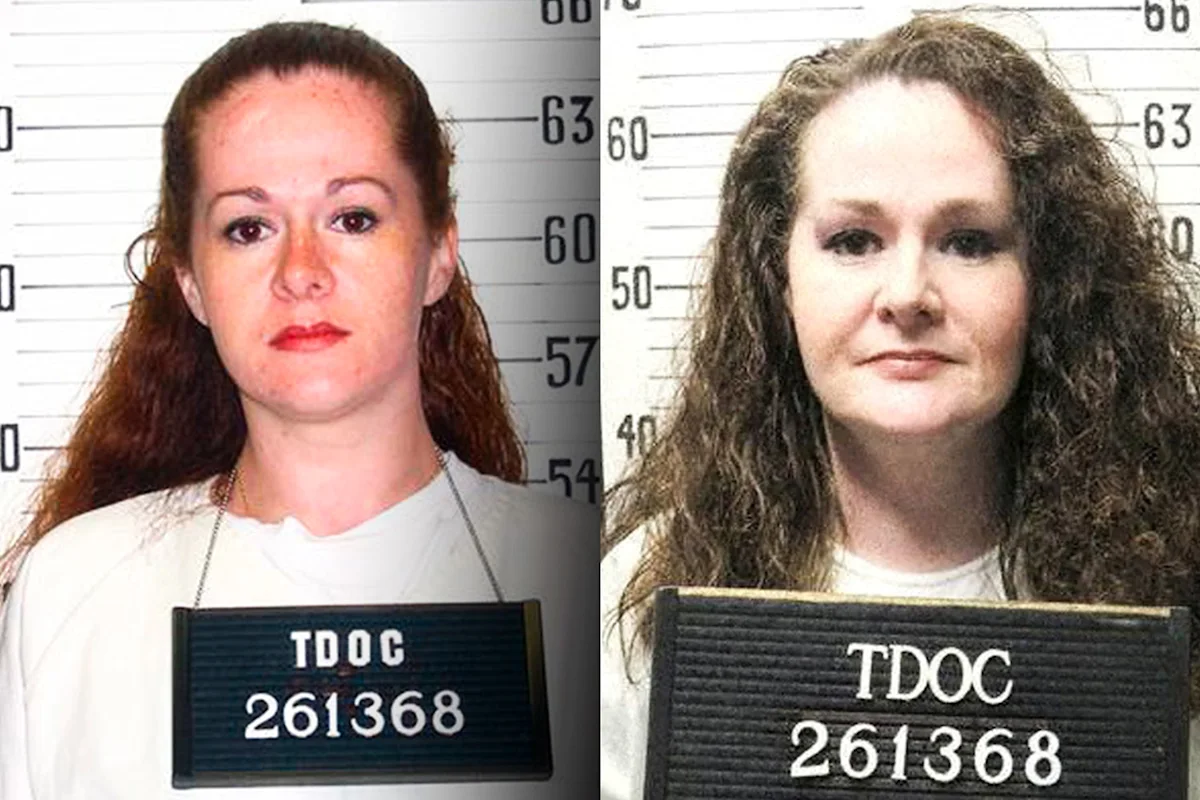
“SHE SURVIVED TENNESSEE’S EXECUTION ATTEMPT — BUT HER ATTORNEYS SAY HER ARMS WERE LEFT SWOLLEN, BURNED AND BLISTERED”
Christa Pike survived two doses of a lethal-injection drug on September 30, 2026. But according to her attorneys, repeated attempts to administer the injections left her with serious injuries to both arms, raising troubling questions about what happened inside the execution chamber.
The failed execution of Christa Pike has become the focus of growing scrutiny in Tennessee, after the 50-year-old death-row prisoner survived a procedure intended to end her life.
On September 30, officials attempted to execute Pike at Riverbend Maximum Security Institution in Nashville using pentobarbital. But the procedure did not result in her death, and she was taken to hospital for emergency treatment.
According to court filings by her legal team, Pike arrived at the hospital with both arms swollen, burned and blistered. Her attorneys said she had been unconscious and on a ventilator following the failed procedure.
The allegations have prompted questions about the injection process, the medical complications Pike experienced and the steps taken to respond when the execution did not proceed as expected.
 What reportedly happened during the injection attempts?
According to Pike’s attorneys, officials struggled to establish intravenous access during the procedure.
A court filing stated that at least seven needles were used in attempts to administer the drugs. One needle was reportedly bent when it was removed, while witnesses described Pike complaining of pain in her arms.
Her attorneys also said that one arm changed colour after a further dose was administered.
These details come from legal filings and witness accounts. The full sequence of events, including the precise medical cause of the injuries and the reasons the procedure failed, remains subject to investigation.
The reported difficulties are particularly significant because Pike’s legal team had previously warned that medical staff could encounter problems locating suitable veins. Her attorneys also cited a blood condition and a history of difficulty with intravenous procedures.
The questions now extend beyond the failed injections themselves to whether the state’s execution protocols were followed and whether the medical risks were adequately addressed.
 She was unconscious and placed on a ventilator
In the hours after the execution attempt, Pike was transported to a Nashville-area hospital in critical condition.
Her attorneys said she was initially unconscious, intubated and receiving support from a ventilator.
On October 6, her legal team announced that she had regained consciousness and was speaking. Two days later, her attorneys said she had begun walking with assistance and eating again.
Although those developments indicated some physical improvement, her lawyers cautioned that her long-term prognosis remained unclear.
The reported injuries to her arms were an additional concern, and it was not yet possible to determine the full extent of any lasting damage.
A return to prison did not mean her recovery was complete
Pike was discharged from hospital on October 10 and returned to the Debra K. Johnson Rehabilitation Center in Nashville, where she had been held for decades.
Her attorneys said she would continue receiving medical care there and that they would continue monitoring her recovery.
Her discharge did not establish that she had fully recovered. Questions about her physical condition, potential neurological effects and longer-term medical needs remained unresolved.
Tennessee faces questions about its execution procedures
The failed attempt has triggered wider scrutiny of Tennessee’s execution practices.
Governor Bill Lee halted scheduled executions for the remainder of 2026 and ordered an independent review of the incident. The state’s prison chief also resigned following the failed procedure.
Pike’s attorneys sought a court order requiring the Tennessee Department of Correction to preserve physical, written and electronic evidence related to the execution attempt, including records that could help investigators establish exactly what happened.
Emergency-call records and witness accounts have also raised questions about communication and the timing of medical assistance after officials realised Pike remained alive.
The investigations will need to establish whether procedures were followed, what went wrong and whether any failures contributed to the medical emergency.
What happens next for Christa Pike?
Pike’s medical recovery and her legal future remain separate but closely connected issues.
Her attorneys have called on Tennessee’s governor to commute her death sentence to life imprisonment without the possibility of parole. Any decision about her sentence, however, would depend on the relevant legal and executive processes.
For now, the immediate questions concern her health, the injuries reported by her legal team and the evidence surrounding the failed execution.
Christa Pike survived a procedure that was intended to end her life, but her attorneys say the physical consequences were severe. As investigations continue, the full explanation for what happened inside the execution chamber — and the extent of her long-term injuries — remains uncertain.
Sources
- CBS News — Attorneys describe injuries after the failed execution
- The Washington Post — Christa Pike is conscious and speaking after the failed execution
- The Associated Press via The Washington Post — Pike begins walking and eating during recovery
- The Washington Post — Pike discharged from hospital and returned to a rehabilitation center