“HOSPITAL FAILURES EXPOSED — BUT LUCY LETBY’S 15 WHOLE-LIFE SENTENCES REMAIN”: WHAT THE LANDMARK INQUIRY REALLY FOUND
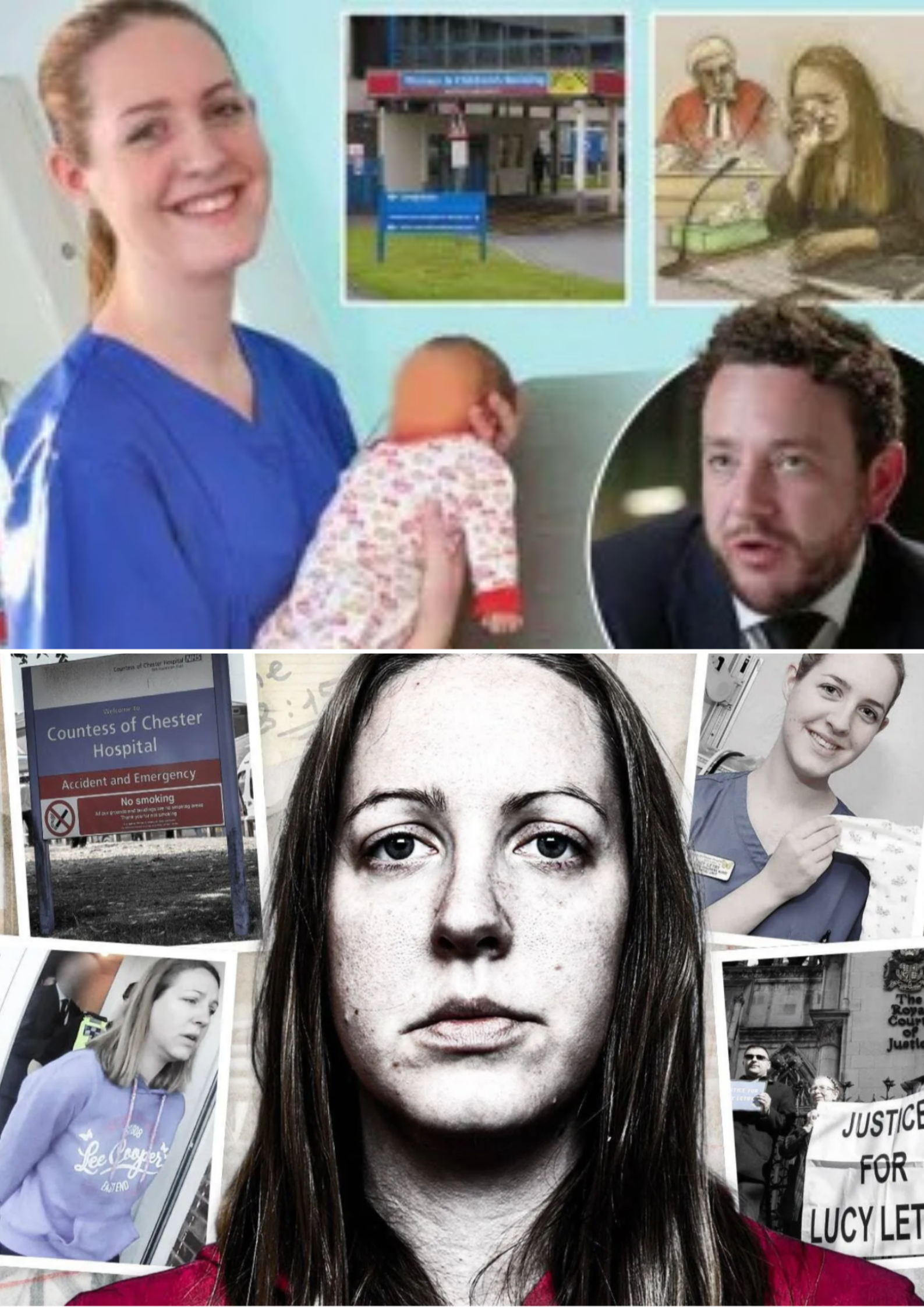
“HOSPITAL FAILURES EXPOSED — BUT LUCY LETBY’S 15 WHOLE-LIFE SENTENCES REMAIN”: WHAT THE LANDMARK INQUIRY REALLY FOUND
The long-awaited Thirlwall Inquiry report has revealed serious failures in hospital leadership, safeguarding and communication surrounding the Lucy Letby case. But the inquiry was not a criminal appeal, and its findings do not automatically change her convictions.
A major public inquiry into the Lucy Letby scandal has delivered a damning assessment of the hospital systems that failed to respond adequately to concerns about the safety of newborn babies.
Published on September 15, 2026, the Thirlwall Inquiry report examined events at the Countess of Chester Hospital between 2015 and 2018, including how concerns about Letby were handled and why action was not taken sooner.
Its findings raised painful questions about leadership, accountability and the protection of vulnerable patients. Yet one crucial distinction remains: the inquiry examined institutional failures, not whether Letby’s criminal convictions should stand.
 A devastating assessment of hospital leadership
The inquiry, chaired by Lady Justice Kathryn Thirlwall, identified serious weaknesses in hospital management and governance.
It found that concerns raised by clinicians were not acted upon appropriately, safeguarding procedures failed, and senior leaders did not respond effectively when suspicions of deliberate harm emerged.
The report also criticised failures to involve police promptly and to keep affected families properly informed.
Its conclusions were especially painful for the families who had spent years seeking answers about what happened to their babies. The inquiry said earlier intervention could have prevented some deaths and protected other infants from harm.
 Why the findings have not overturned Letby’s convictions
Letby was convicted of murdering seven babies and attempting to murder seven others. She is serving 15 whole-life prison terms and continues to deny the allegations.
The inquiry did not determine her guilt or innocence, reassess the criminal trial evidence, or act as a court of appeal. Lady Justice Thirlwall explicitly stated that those matters fell outside the inquiry’s remit.
That means the report’s criticism of hospital management does not, by itself, invalidate the jury verdicts.
The distinction is important: failures by an institution can demand serious investigation and accountability without automatically establishing that a criminal conviction is unsafe. Whether new evidence or legal arguments could affect a conviction is a separate question for the appropriate legal process.
A separate review of the convictions is already underway
Letby’s case has been submitted to the Criminal Cases Review Commission (CCRC), the independent body that examines potential miscarriages of justice.
The commission can refer a case back to an appeal court if it concludes that the relevant legal threshold has been met. It does not decide guilt or innocence itself.
The CCRC’s review is separate from the Thirlwall Inquiry. The inquiry’s report should therefore not be treated as proof that Letby’s convictions will be overturned—or as proof that further legal scrutiny is unnecessary. The outcome of the review remains a separate matter.
Accountability beyond the courtroom
The report has also intensified scrutiny of how the hospital responded to concerns, how families were treated and whether existing systems were capable of identifying serious risks in time.
Its recommendations include improvements to safeguarding, staff training, governance and the monitoring of babies in neonatal units.
The wider challenge is to ensure that concerns about patient safety are escalated promptly, that families receive honest and timely information, and that hospital leaders are held accountable when systems fail.
Those questions remain significant regardless of the outcome of any future legal proceedings concerning Letby.
What happens next?
Three issues must now be kept distinct: implementing the inquiry’s recommendations, investigating potential institutional wrongdoing, and reviewing Letby’s criminal convictions through the established legal process.
The inquiry has documented serious failures in the hospital’s response to warning signs. But it has not uncovered a new verdict, and it has not ordered Letby’s convictions to be overturned.
For the families affected, the report offers a detailed account of institutional mistakes and recommendations intended to improve patient safety. Whether the separate review of Letby’s convictions leads to further court proceedings remains unresolved.
The central question now is whether the failures exposed by the inquiry will lead to meaningful changes—and whether every outstanding legal question will be examined through the proper process.
Sources