“THEY CALLED 999 FOR HELP”: POLICE DELAY RAISES ALARM AFTER TWO YOUNG FRIENDS DIE ON SNOWDON
“THEY CALLED 999 FOR HELP”: POLICE DELAY RAISES ALARM AFTER TWO YOUNG FRIENDS DIE ON SNOWDON
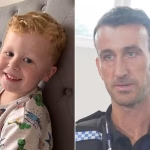
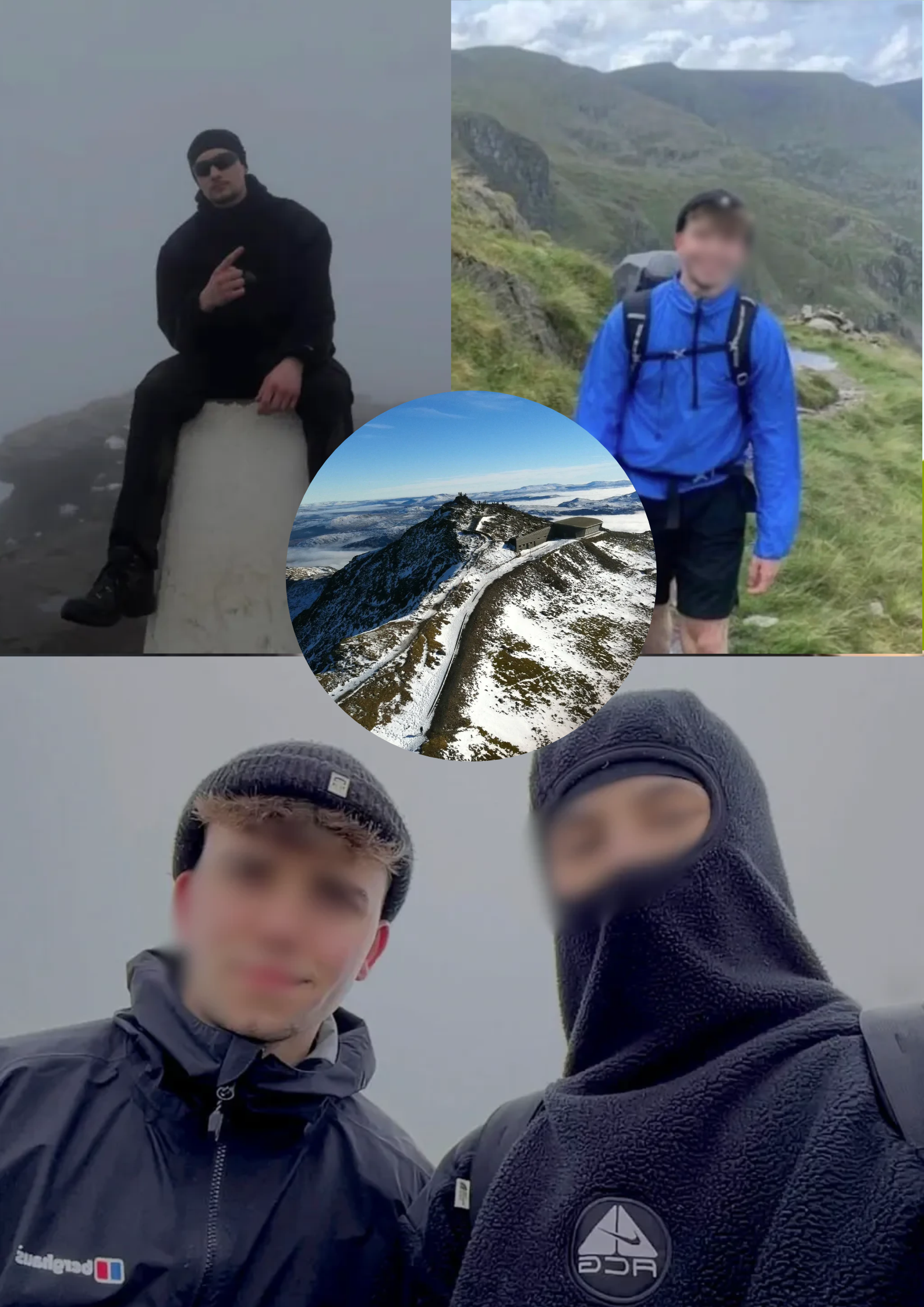
Eddie Hill, 20, and Jayden Long, 19, died after getting into difficulty in severe winter conditions on a Welsh mountain. An inquest heard that their emergency call was not escalated to mountain rescue for more than three hours, prompting a coroner to warn of the risk of future deaths.
A heartbreaking mountain tragedy has prompted serious questions about emergency response procedures after two young friends died while climbing Snowdon in North Wales.
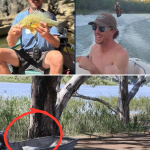
Eddie Hill, 20, and Jayden Long, 19, had travelled around 270 miles from Norfolk to climb the mountain, also known by its Welsh name, Yr Wyddfa. Their adventure turned tragic in February when they encountered extreme winter conditions on Crib y Ddysgl, a steep ridge less than a mile from the summit.
An inquest heard that Jayden made an emergency call to 999 on the afternoon of February 18. The call was disconnected, and although police attempted to contact him again, mountain rescue teams were not alerted until more than three hours later.
The young men were found dead the following morning.
Their deaths have since led to renewed scrutiny of how emergency calls from remote mountain areas are handled, with an assistant coroner warning that lessons must be learned to help prevent similar tragedies.
 A DESPERATE CALL FROM THE MOUNTAIN
The pair began their climb from the Pen y Pass car park on February 18. As the weather deteriorated, a message sent by Eddie to his girlfriend indicated that the friends had been forced to turn back.
At 4:27 p.m., Jayden contacted North Wales Police using the emergency number. A recording of the disconnected call captured him saying, “Hello” and “Can you hear me?” before the connection was lost.
Police staff tried to call him back, but those attempts were unsuccessful.
During the inquest, a police professional-standards officer acknowledged that the incident had not been escalated as it should have been. Investigators heard that officers made limited efforts to establish the identity of the phone’s owner before mountain rescue was contacted.
The delay meant specialist rescuers were not informed until 7:38 p.m.
By then, the two men were still missing in harsh winter conditions, and the search operation faced the additional challenges of darkness, snow and difficult terrain.
 RESCUERS SEARCHED THROUGH THE NIGHT
Once mountain rescue teams were alerted, a coordinated operation was launched involving mountain rescue personnel and a coastguard helicopter.
Rescuers searched the reported area but initially found no trace of the pair. With conditions challenging and the available information about their precise location limited, the search continued into the evening.
Teams resumed the operation at first light on February 19, supported by search dogs and additional resources.
Shortly after 10:45 a.m., rescuers located the men’s bodies on the mountain ridge.
An inquest later heard that both had died after falling down steep terrain and sustaining multiple traumatic injuries. The assistant coroner recorded their deaths as accidental.
The hearing could not establish whether the two men fell together or whether one fell while attempting to help the other.
CORONER WARNS OF RISK TO FUTURE WALKERS
Assistant coroner Sarah Riley raised concerns about the police response to the disconnected emergency call.
Her findings highlighted the lack of clear guidance and training for staff dealing with calls from remote or mountainous locations, as well as weaknesses in systems for sharing lessons learned from previous incidents.
She warned that, without action to address the concerns, there could be a significant risk of future deaths.
The warning did not establish that the delay directly caused Eddie and Jayden’s deaths. However, it underscored the importance of ensuring that disconnected emergency calls from remote areas are treated with appropriate urgency.
Jayden’s father, Stephen Long, described the police response as “incompetence” during the hearing. A police representative said the force had reviewed the incident and identified lessons that needed to be shared with staff.
POLICE CHANGE EMERGENCY CALL PROCEDURES
Following the tragedy, North Wales Police revised its procedures for handling silent or disconnected 999 calls from remote and mountainous locations.
The updated guidance, introduced in September 2026, directs call handlers to consider notifying mountain rescue when a caller’s location can be confirmed through available location services or other reliable means.
The force said the changes were intended to ensure that similar calls could be assessed by specialist rescuers sooner, where appropriate.
The response is part of the wider effort to address the concerns raised during the inquest and reduce the risk of similar delays in future emergencies.
TWO FRIENDS REMEMBERED AFTER A TRAGIC CLIMB
Eddie and Jayden’s deaths have left their families and friends grieving two young lives cut short during what had begun as an outdoor adventure.
Mountain rescue teams also paid tribute to the volunteers who worked for long hours in difficult conditions to find the missing walkers.
The tragedy has highlighted the unpredictable risks of winter mountaineering, particularly when snow and ice make steep routes dangerous and limit the ability of rescuers to reach people quickly.
It has also renewed attention on the importance of emergency services responding promptly when a call for help from a remote location is suddenly lost.
For Eddie Hill and Jayden Long’s families, the loss is permanent. For emergency services, the coroner’s warning is a reminder that a disconnected call may be the only indication that someone is in danger — and that every opportunity to respond matters.
Sources: BBC Wales, The Independent, and the inquest into the deaths of Eddie Hill and Jayden Long.
This article reflects reporting available on October 29, 2026. The inquest recorded the deaths as accidental; it did not conclude that the delay in alerting mountain rescue directly caused the deaths.