‘THIS SHOULDN’T BE HERE’: Unexpected Red Sea Discovery Sparks Intense Debate Among Egypt Experts
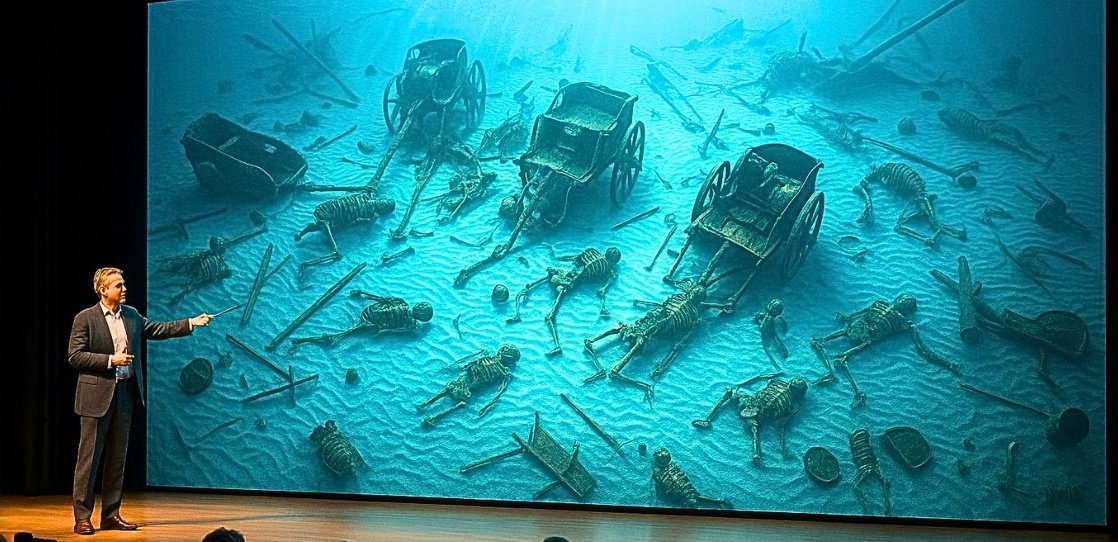
Claims of a breathtaking discovery beneath the Red Sea have once again captured global attention: alleged remains of Pharaoh’s army—chariot wheels, weapons, and human bones—said to be preserved on the seabed for thousands of years.
If true, such a find would revolutionize ancient history and provide tangible evidence for the biblical Exodus.
Yet despite the dramatic headlines circulating online, no verified archaeological confirmation exists, and mainstream scholars remain unconvinced.

The renewed excitement emerged in late 2024 and early 2025, when independent divers and private expeditions released statements claiming underwater discoveries in the Gulf of Aqaba.
According to these reports, sonar scans and dive footage revealed objects resembling chariot wheels and scattered remains.
However, no peer-reviewed studies, artifact catalogs, or officially sanctioned excavation reports have been published.
This lack of documentation is the central reason the academic world has responded with caution—or silence.

Much of the narrative traces back to Ron Wyatt, a self-taught explorer who, beginning in the 1970s, claimed to have discovered multiple biblical artifacts, including Noah’s Ark, the Ark of the Covenant, and remains of the Egyptian army in the Red Sea.
While Wyatt produced photographs and sketches, his work was never verified by accredited archaeologists, and his conclusions were rejected by major institutions.
Marine archaeologists have repeatedly noted that coral formations can naturally grow into circular, wheel-like shapes, especially when colonizing man-made debris or rock. Without controlled excavation and material analysis, visual resemblance alone is not evidence.
There are also logistical concerns. Many of the depths cited in Wyatt’s reports and later claims exceed safe recreational diving limits, requiring specialized equipment and formal permits—none of which have been documented.
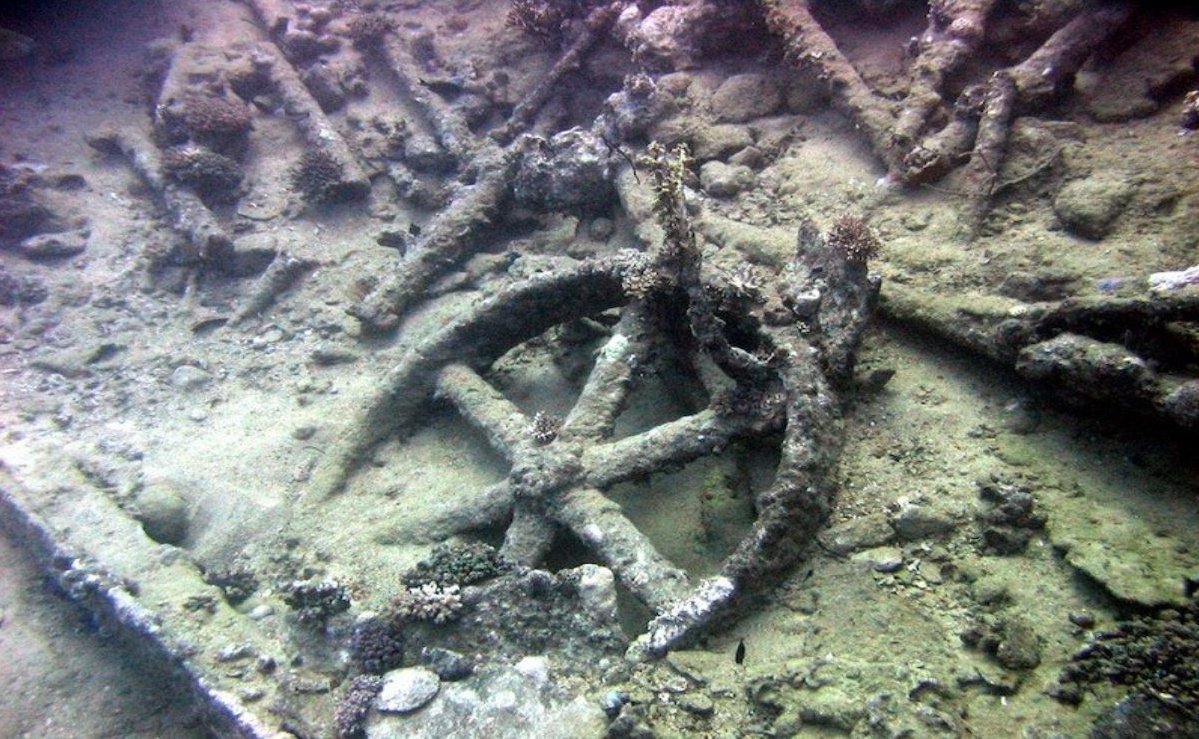
Unquestionable Evidence of Red Sea Crossing in Egypt Found!
The modern expeditions
In recent years, privately funded teams have claimed to revisit Wyatt’s sites using modern sonar and ROV technology. While press releases describe “significant findings,” the evidence released to the public remains vague—consisting mainly of low-resolution images and generalized descriptions.
Experts caution that sonar data is especially prone to misinterpretation, and without independent verification, raw imagery proves nothing. In legitimate archaeology, extraordinary discoveries are followed by:
- Official excavation permits
- Chain-of-custody records
- Laboratory testing
- Peer-reviewed publication
- Museum or institutional involvement