US and Israel Strike Iran Escalating Middle East Tensions and Global Peace Concerns
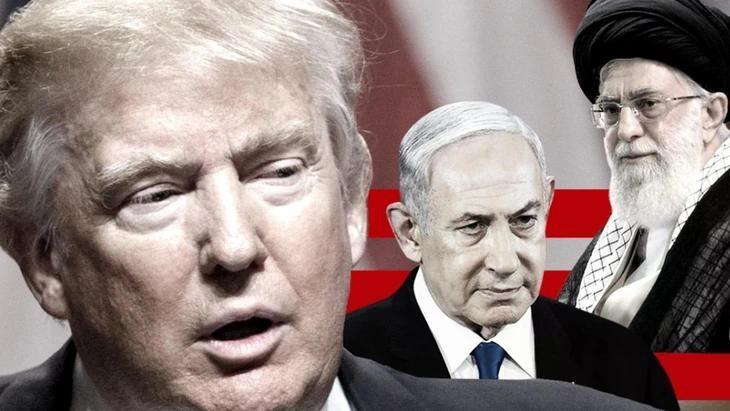
Recent diplomatic efforts have broken down, as tensions between the United States and Israel on one side and Iran on the other have escalated sharply, creating renewed instability in the Middle East and raising global concerns.
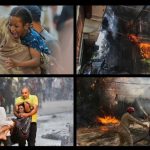
On the morning of February 28, reports indicated coordinated air operations targeting strategic locations in Iran, marking a significant escalation in regional tensions. Multiple explosions were reported in northern and eastern Tehran, as well as in the cities of Isfahan, Karaj, and Kermanshah. Smoke was seen rising over parts of the capital.
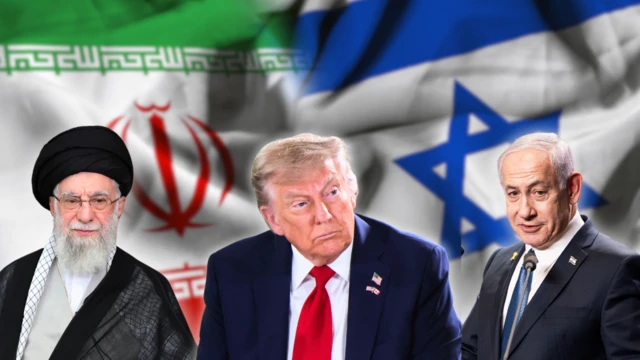
In response, Iranian officials stated they would respond to what they described as violations of their sovereignty. Incidents were later reported near several locations in the Gulf region, including Qatar, Bahrain, Kuwait, and Abu Dhabi.
At the same time, warning sirens were heard in parts of Israel. Israeli authorities said they had detected projectiles launched toward their territory and advised residents to remain alert and follow safety guidance.
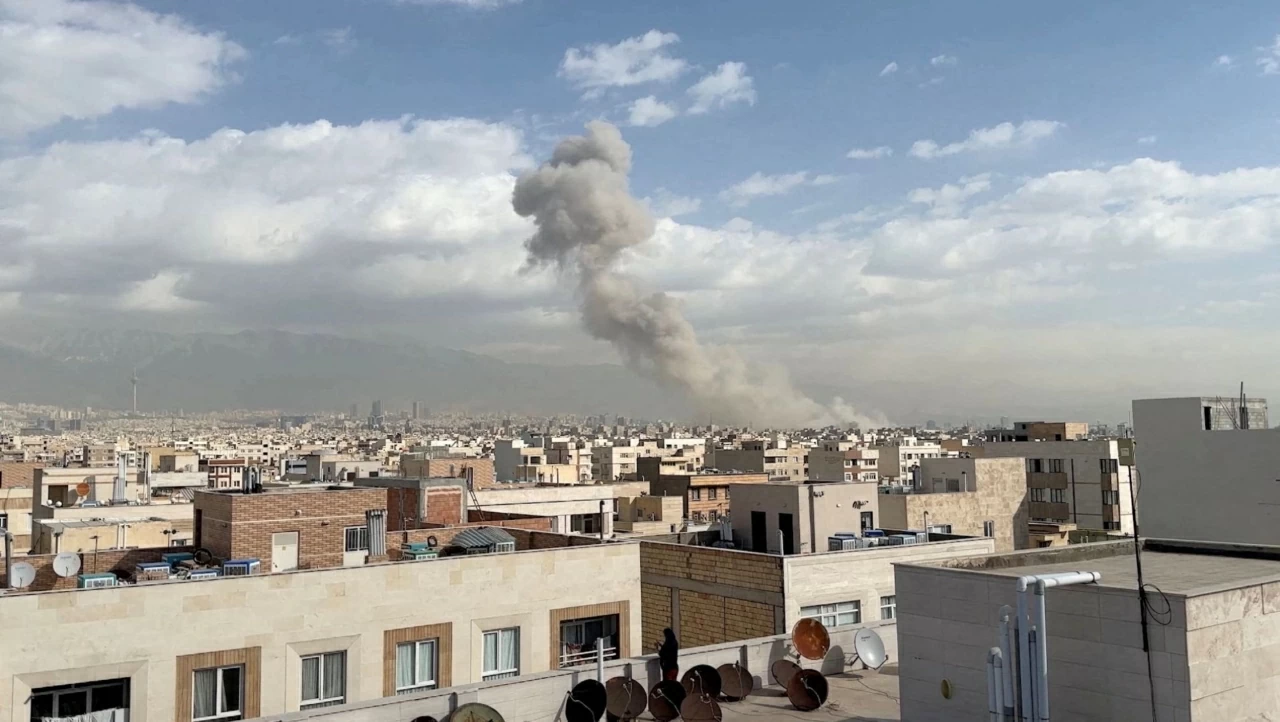
The escalation came shortly after the conclusion of another round of talks in Geneva regarding Iran’s nuclear program. The discussions reportedly ended without a breakthrough. On February 28, President Trump confirmed that the United States had initiated a large-scale security operation, stating it was intended to address perceived threats. He accused Iran of continuing sensitive weapons development activities.
Israeli officials also confirmed coordinated actions and announced heightened national alert measures. Leaders in Israel stated that the steps taken were aimed at ensuring national security and preventing potential threats.
Iranian officials, in turn, warned that consequences could extend beyond the immediate region and emphasized that further developments would depend on actions taken by all parties involved.
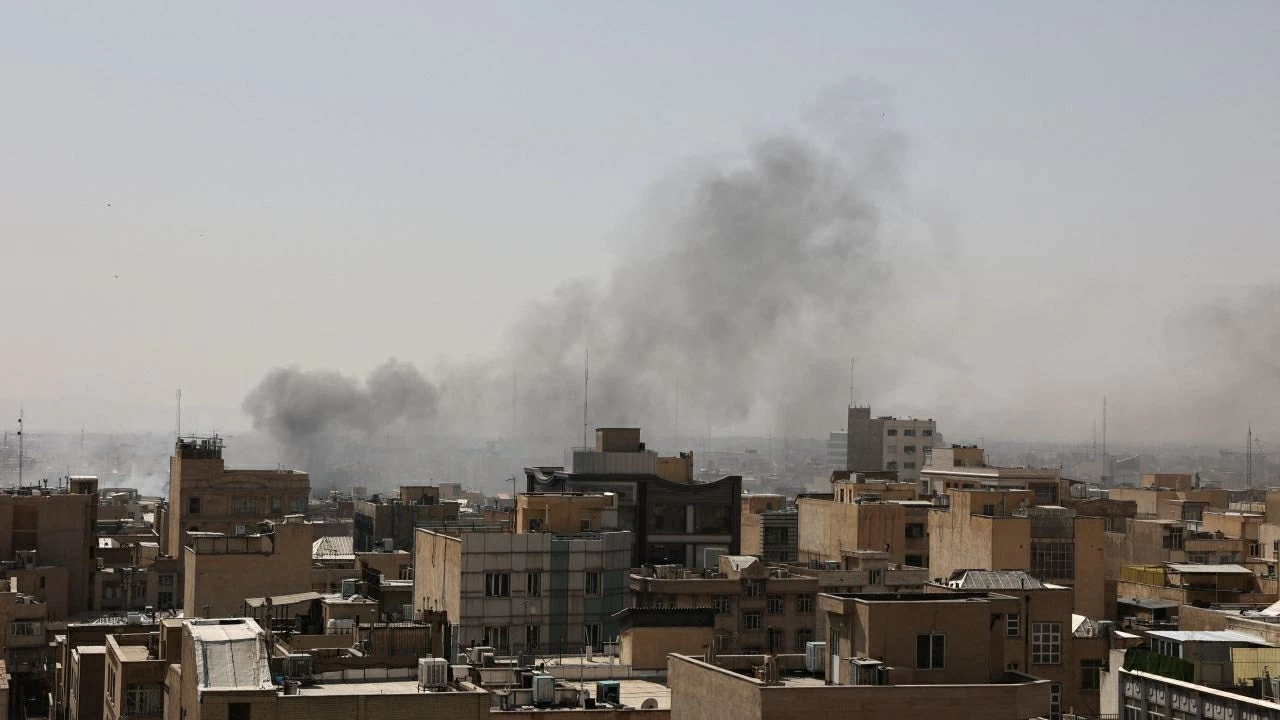
The situation has had immediate global impact.
International airspace in parts of the Middle East experienced disruptions, forcing several airlines to reroute flights as a precaution.
Global reactions followed quickly. Russia called for an emergency meeting of the UN Security Council. The United Kingdom expressed concern about rising tensions, while the African Union urged all sides to pursue de-escalation and dialogue.
The renewed tensions have raised serious concerns about regional stability and global security. Diplomatic options appear increasingly limited as security measures expand. There are fears that further escalation could draw in additional regional actors, particularly if infrastructure or territory is affected.
Beyond security concerns, the situation may also impact global energy markets, supply chains, and food security, especially if disruptions affect oil production or transportation routes.
Observers around the world are closely monitoring developments. The current situation is being seen as a major test of international cooperation mechanisms and crisis management frameworks. The long-term consequences will depend heavily on whether diplomatic channels can be reopened and tensions reduced in the coming days.