International reaction following US and Israeli airstrikes on Iran
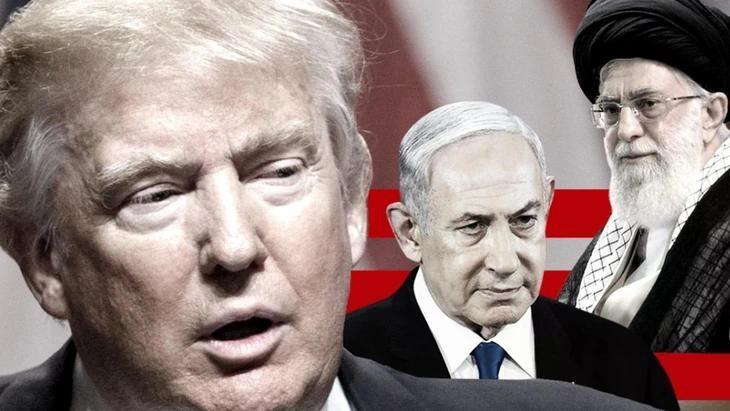
International Reactions to Rising Tensions in the Middle East
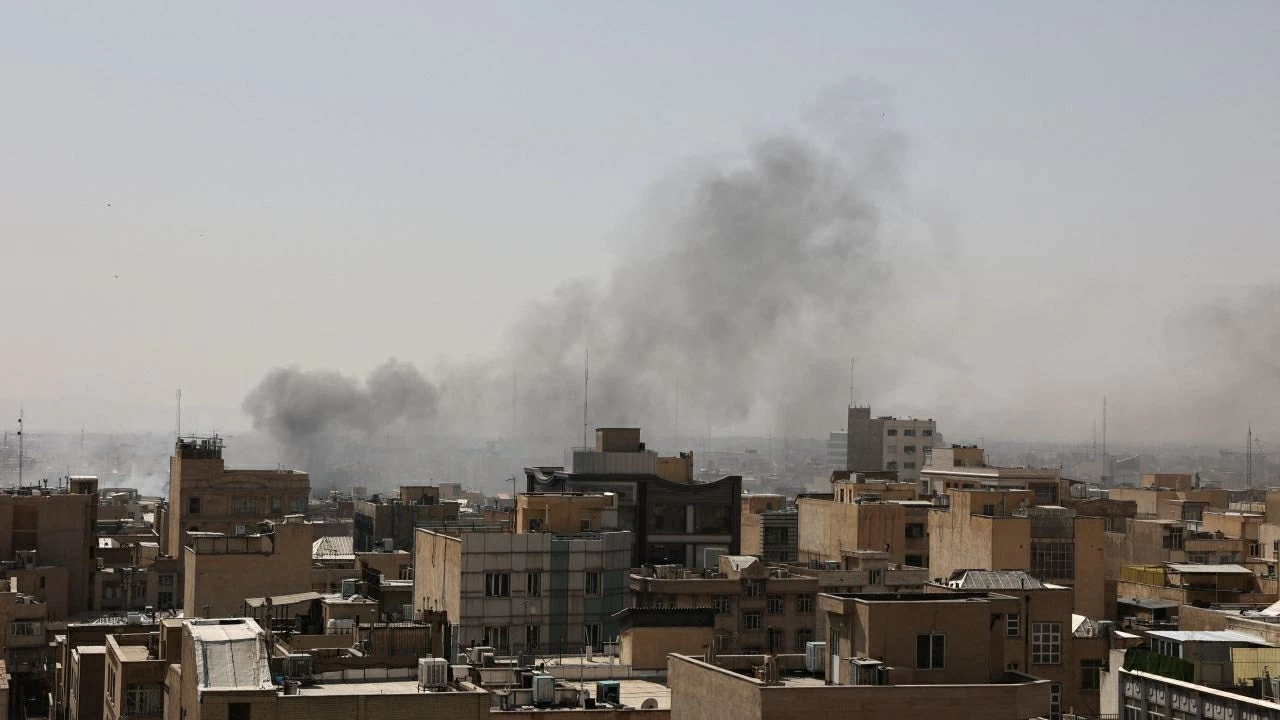
Recent developments in the Middle East have prompted strong reactions from leaders around the world following coordinated military actions involving the United States, Israel, and Iran.
In the United States
Senate Majority Leader John Thune expressed support for President Donald Trump’s decision, describing it as a response to what he characterized as a serious security concern related to Iran. He stated that diplomatic options had previously been offered but were unsuccessful.
House Speaker Mike Johnson said Iran is now “facing significant consequences” for its recent actions.
However, Senator Mark Warner, the senior Democrat on the Senate Intelligence Committee, raised concerns about the legal and constitutional implications of large-scale military engagement, particularly in situations where there is no direct threat to the United States. He emphasized that such decisions require careful legal consideration.
In Russia
Russia’s Foreign Ministry issued a statement criticizing the actions taken by the US and Israel, calling them a destabilizing move with serious consequences for regional stability. Former President Dmitry Medvedev questioned the sincerity of previous diplomatic efforts with Iran.
Russia’s state nuclear energy corporation Rosatom confirmed it had evacuated 94 employees from Iran as a precaution, while maintaining a technical presence at the Bushehr nuclear power plant. Officials stressed that civilian nuclear facilities must never be targeted due to the potential risks involved.
European Union
EU High Representative for Foreign Policy Kaja Kallas described the situation as “extremely dangerous” and said the EU is working with regional partners to pursue diplomatic solutions. The union is also assisting citizens in the region and relocating non-essential personnel.
United Kingdom
Prime Minister Keir Starmer convened an emergency meeting to assess the situation. A government spokesperson stated that the UK does not want to see further escalation that could expand into a broader regional conflict.
The UK updated travel guidance for parts of the Middle East and encouraged citizens in affected areas to prioritize safety.
Spain
Prime Minister Pedro Sánchez called for de-escalation and reaffirmed the importance of international law and diplomatic engagement to maintain global stability.
France
President Emmanuel Macron warned about the risk of a broader regional crisis and called for urgent diplomatic discussions, including engagement at the United Nations Security Council.
Norway
Foreign Minister Espen Barth Eide stated that preventive military measures must meet strict international legal standards, particularly in cases involving immediate threats.
United Nations
UN High Commissioner for Human Rights Volker Türk expressed concern over the humanitarian impact of escalating tensions, emphasizing that civilians are often most affected in such situations.
The President of the International Committee of the Red Cross, Mirjana Spoljaric, warned of potential widespread humanitarian consequences if tensions continue to rise.
Oman
Oman’s Foreign Minister Badr Albusaidi, who has previously facilitated dialogue between parties, expressed disappointment and encouraged renewed diplomatic engagement.
Qatar, Saudi Arabia, and the UAE
Leaders in the Gulf region emphasized the importance of restraint and a return to negotiations. The United Arab Emirates also expressed concern over actions affecting its territory and called for respect for sovereignty.
Pakistan
Foreign Minister Ishaq Dar criticized the developments and called for immediate diplomatic efforts to prevent further escalation.
Malaysia
Malaysia’s Ministry of Foreign Affairs stressed the importance of respecting sovereignty and resolving disputes through dialogue in line with international law, urging all sides to exercise maximum restraint.