Ancient Underwater Cave in Mexico Reveals Remarkable Clues to Early Maya History and Prehistoric Ochre Mining
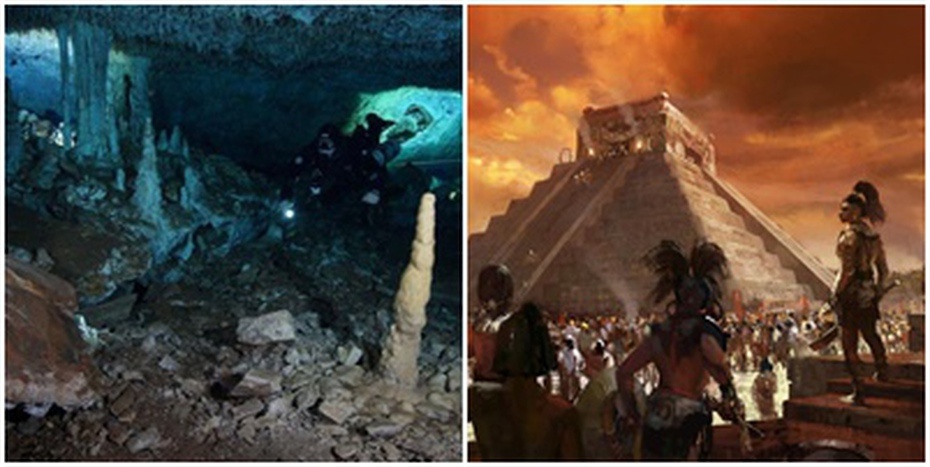
An underwater burial site holding Mayan secrets has been discovered in Mexico.
Scientists have just discovered an underwater cave system along Mexico’s Yucatan Peninsula containing a vast labyrinth of archaeological remains unlike anywhere else on Earth. Previously, they had inexplicably found 13,000-year-old human remains.
Possibly the oldest known mine in the Americas, what secrets does it hold?
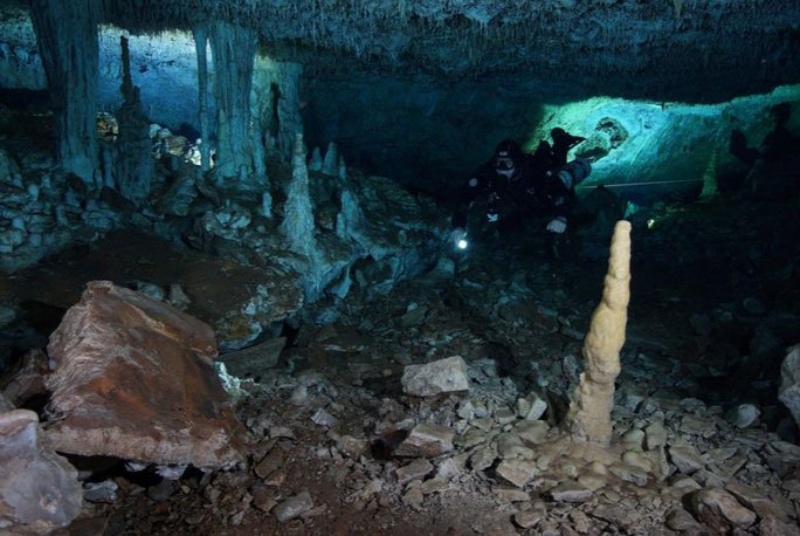
The mine lies submerged under seawater, containing mysterious tombs and artifacts linked to the history of the Maya.
Inside a mysterious ochre mine.
Ed Reinhardt, a microbiologist from McMaster University in Canada, said: “Underwater caves are like time capsules. The caves in this area have long been known to contain the skeletons of ancient people who lived in caves tens of thousands of years ago. The landscape of the caves has been altered, which leads us to believe that prehistoric humans extracted tons of ochre from them.”
What intrigues us is why the ancient Maya ventured into such deep and dangerous labyrinthine passages—was it related to sacrifice or some kind of ritual? This question has remained unanswered for many years.
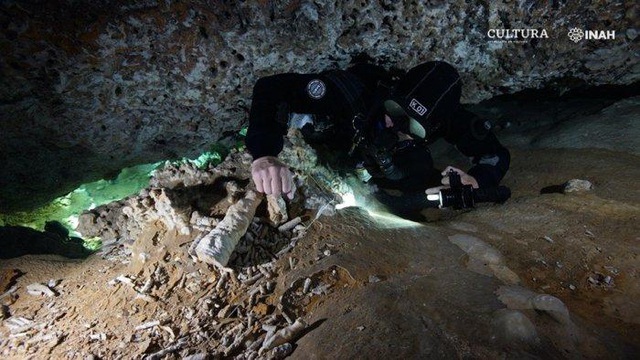
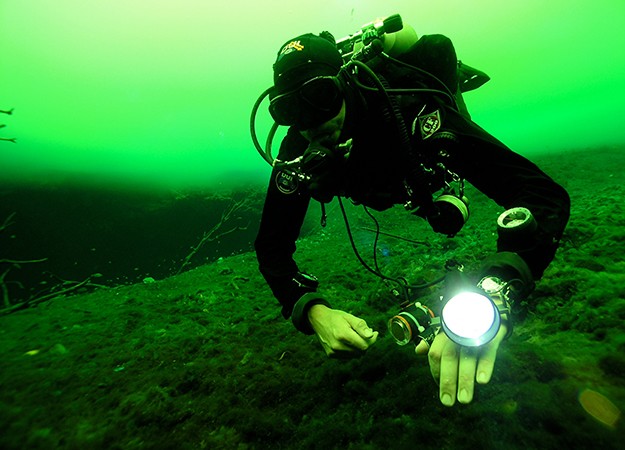
Inside the caves, the research team found a range of evidence of prehistoric mining activities, including various digging tools.
Divers spent 600 hours diving to find numerous hammers, stalactite-based pile drivers, markers to avoid getting lost, and fire pits for warmth and light.
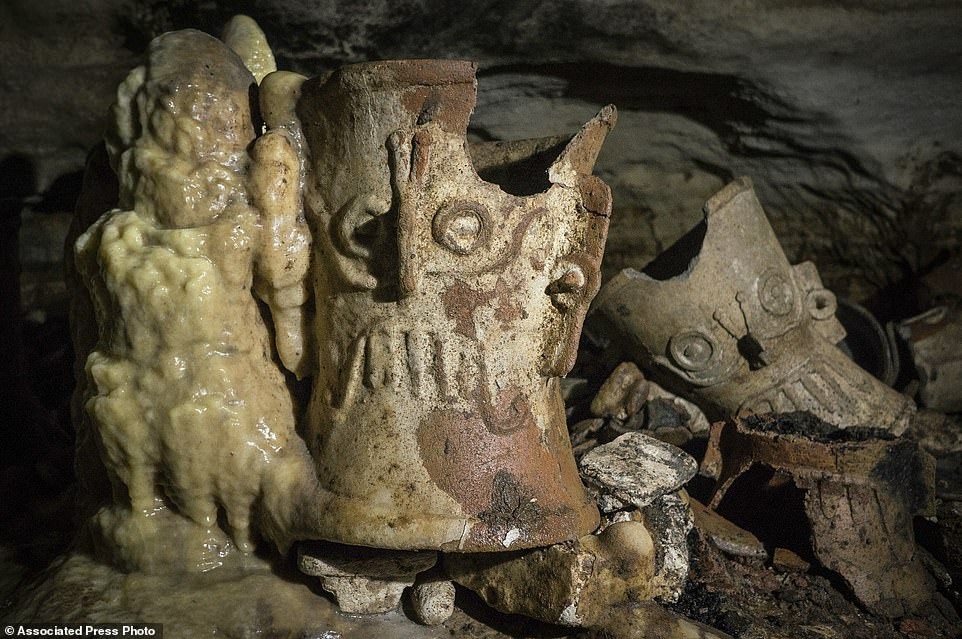
The temporary sites, known as La Mina, Camilo Mina, and Monkey Dust, may be the oldest known examples of ochre mining in the Americas.
For some reason, the Maya stopped mining ochre about 10,000 years ago.
Furthermore, the reason why ancient people left their bodies there has been revealed by a mysterious mineral that was once treasured by human ancestors, including Homo sapiens and even Neanderthals.
Ochre, a mineral that created the red pigment that prehistoric people loved to use.
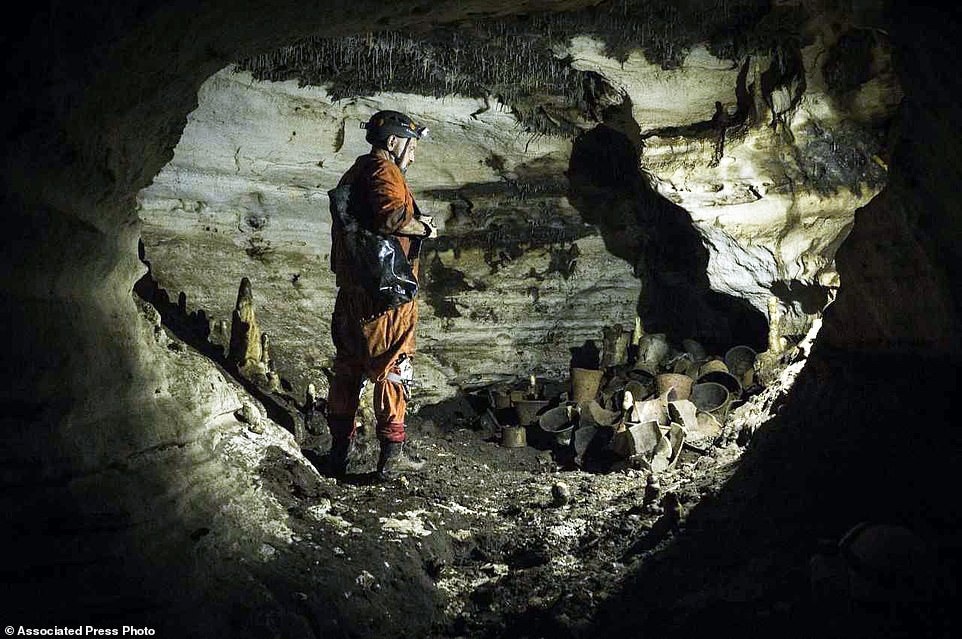
In 2019, archaeologists discovered a Maya sacrificial cave in the area of the ancient city of Chichen Itza, Yucatan, Mexico.
The cave known as Balamku, or “The Leopard God,” was sealed for 1,000 years. This significant discovery is expected by experts to become the “key” to deciphering the collapse of the Mayan empire.
Inside the cave are approximately 200 pottery vessels of various shapes and sizes. These vessels are believed to date back to around 1000 AD.
The Yucatan Peninsula is one of humanity’s “scientific sanctuaries.”
Not only is it famous for possessing the enormous impact crater where the asteroid that killed the dinosaurs struck 66 million years ago, but it also contains traces of prehistoric “sea monsters” like the Megalodon shark, remnants of ancient settlements, and a unique ecosystem and topography created by the giant asteroid that devastated the area.
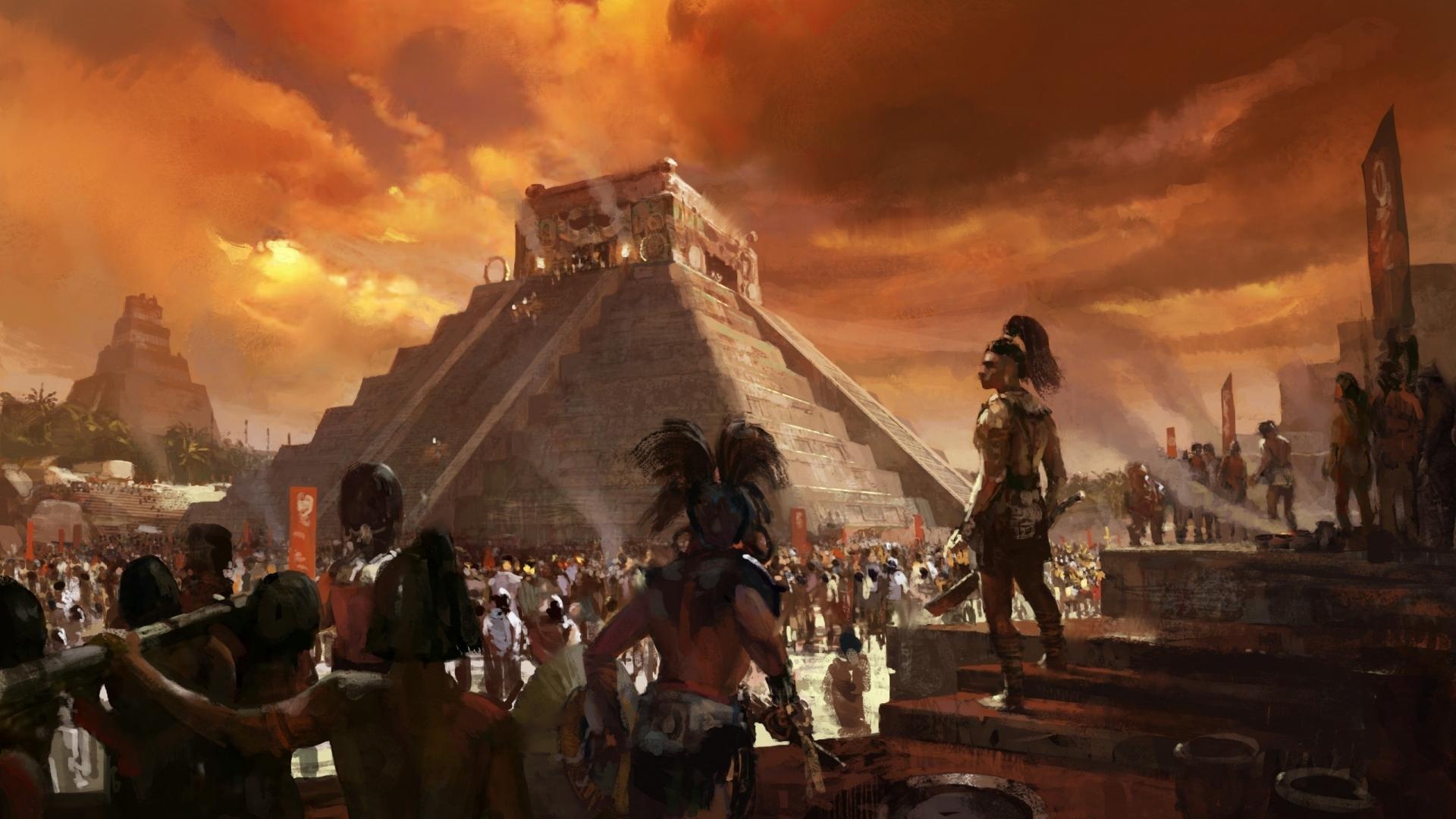
The ancient Maya were one of the world’s most mysterious civilizations, believing that the underworld within their caves was the source of rain and money gods.
The Maya civilization was an ancient civilization in the Americas that once flourished, but later declined for reasons that remain largely debated.
Children and women were considered pure and attractive objects, and were often sacrificed to bring good luck.
Among the victims found, at least five belonged to the nobility; their skulls were bound and flattened, a common form among the upper class of the civilization.