A QUIET HOME, A LOUD LEGACY — CARDINAL TIMOTHY DOLAN’S HIDDEN ACT OF COMPASSION RESONATES WORLDWIDE
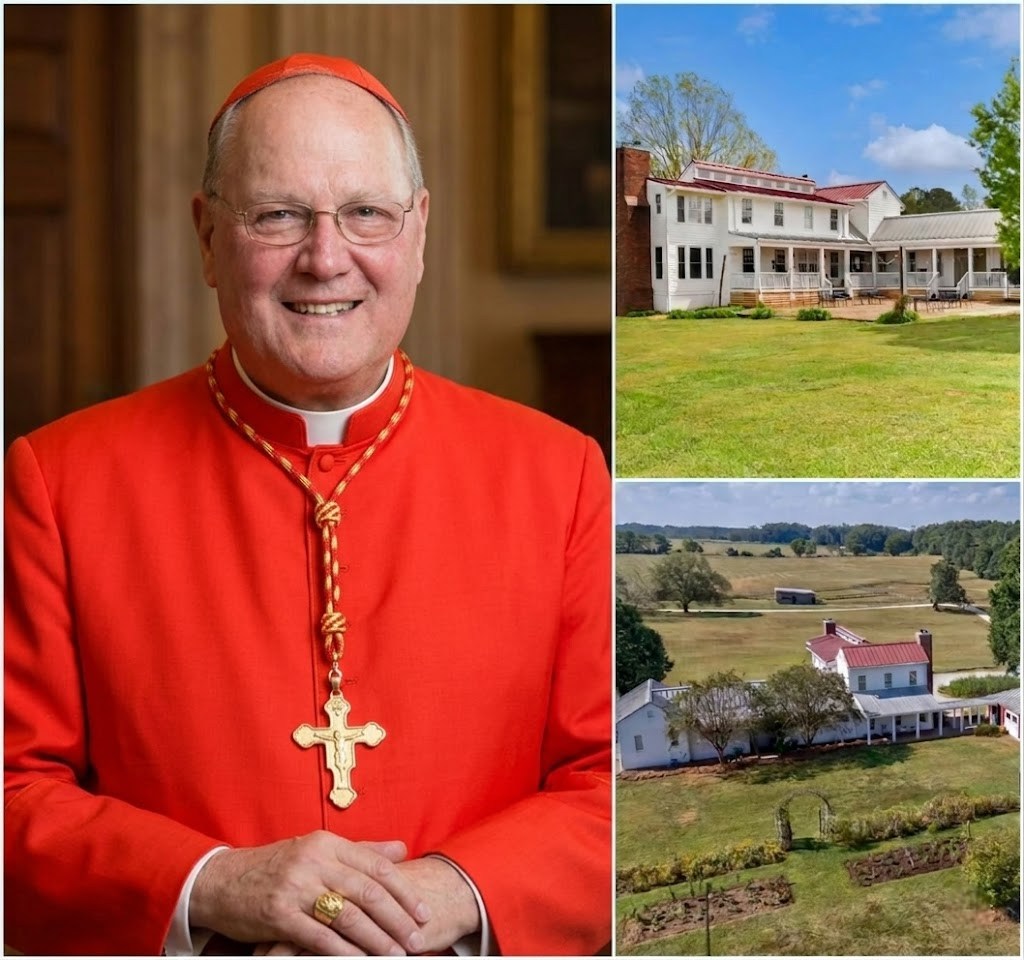
TIMOTHY DOLAN REVEALS SURPRISING PERSONAL GESTURE THAT REDEFINES HIS LEGACY AND PURPOSE
Timothy Dolan has recently revealed a deeply surprising personal act that has left many followers and members of the faithful community reflecting on one central question: what has he quietly been planning away from the public eye? This was not an announcement related to church authority, doctrinal decisions, or institutional leadership. Instead, it was something far more personal, grounded in memory, identity, and service to others.
According to the revelation, Cardinal Timothy Dolan made a quiet return to his old hometown and purchased a modest home that once played a significant role in shaping his early life. This was not a symbolic acquisition for nostalgia alone, but a deliberate and meaningful step tied to his personal history and formative experiences. Those who know his journey understand that his early years were marked by struggle, discipline, and a strong awareness of hardship faced by ordinary families in his community.
What makes this act truly remarkable is what he chose to do next. Instead of preserving the house as a private retreat or historical site, he announced a plan to transform it into LEO HOUSE, a large recovery and support center dedicated to women and children in vulnerable circumstances. The facility is envisioned as a place of healing, stability, and renewed opportunity for those facing crisis situations, offering shelter, guidance, and long-term support systems.
This decision has been widely described as a powerful example of leadership through action rather than status. It reframes the idea of legacy, shifting it away from personal achievement and toward long-term impact on human lives. The transformation of a childhood home into a center of care reflects a full circle moment, where personal history becomes the foundation for public service.

In his own words, Dolan emphasized a simple but striking philosophy: he will not build luxury for himself, but instead build second chances for others. This statement has resonated strongly with many who see it as a defining expression of humility and purpose-driven leadership.
Ultimately, this moment marks more than a personal project. It represents a shift in how influence can be used, turning memory into mission and experience into lasting social contribution.