Beyond the Mirror: The Unbreakable Spirit of Connie Culp
Beyond the Mirror: The Unbreakable Spirit of Connie Culp
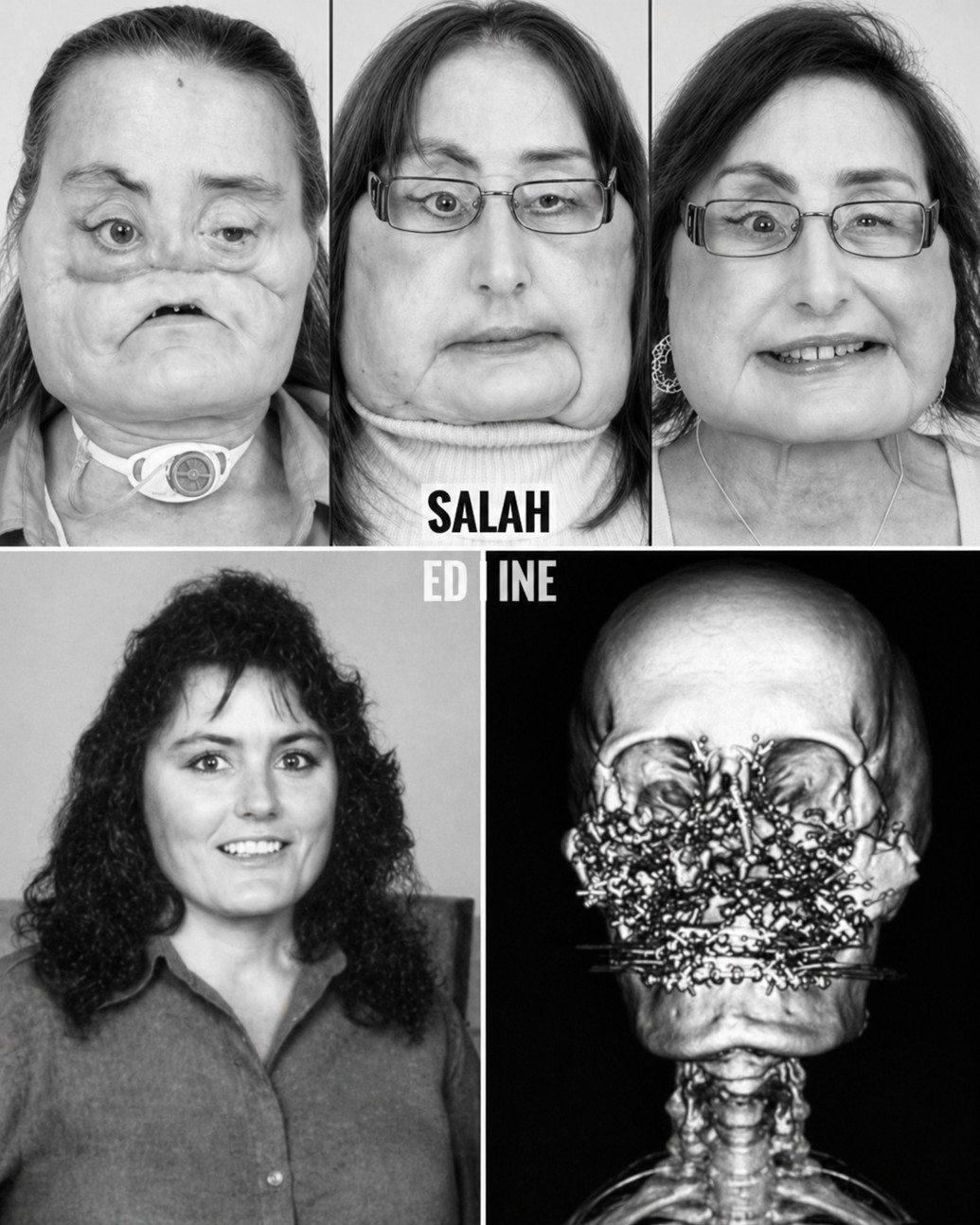
When Connie Culp passed away in 2020, the world lost more than a medical pioneer; it lost a living testament to the sheer force of human will. Her story began in 2004, not with a headline, but with a sudden, devastating act of violence that robbed her of her nose, cheeks, and upper jaw. In an instant, the face she had known for decades was gone, replaced by a map of trauma that made even the simplest acts of breathing and eating a grueling daily battle.
For years, Connie lived in a state of suspended animation. She underwent thirty surgeries, navigating a world that often looked away in discomfort. She became a prisoner behind dark glasses, shielded from the stares of strangers, surviving through a feeding tube and a windpipe opening. The identity she once possessed had been shattered, and for a long time, it seemed as though the woman she used to be had vanished forever along with her features.
However, in 2008, Connie stepped into the unknown. She became the first person in the United States to undergo a near-total face transplant at the Cleveland Clinic. It was a twenty-two-hour odyssey that required a team of doctors to integrate skin, bone, muscles, and blood vessels from a donor into Connie’s body. It was a gamble of the highest stakes—a medical experiment that carried the risk of total failure or life-threatening rejection. Yet, Connie chose hope over fear.
The surgery was a landmark success, allowing Connie to perform the miracles of the mundane: she could taste food, breathe on her own, and speak with a voice the world could finally hear. But the most profound transformation occurred within her heart. While the medical community focused on her physical recovery, Connie was fighting an internal war against resentment. She had initially chosen to forgive the man who caused her pain, but she remained tethered to the trauma he inflicted.
The turning point came not from a surgeon’s scalpel, but from her daughter’s wisdom. Her daughter asked a question that would finally break the chains of her emotional captivity: “Why are you still waiting on the person who tried to destroy you?” That moment of clarity allowed Connie to stop being a victim of her past and become the architect of her future.
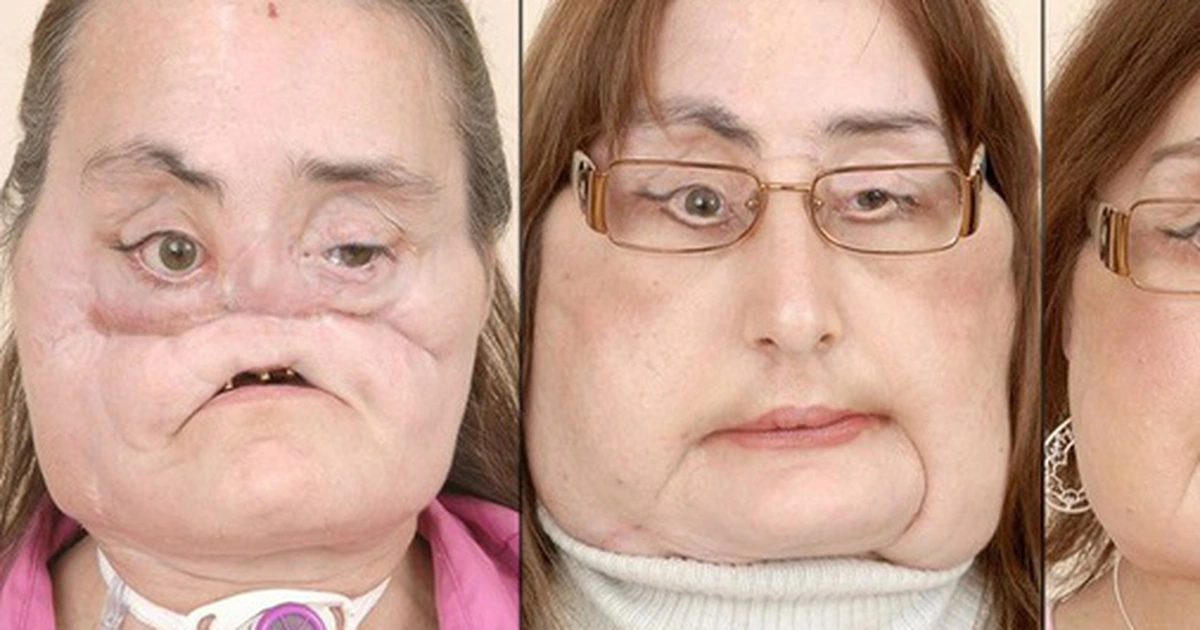
Connie Culp spent her remaining years as an advocate for domestic violence survivors and organ donation. She proved that while a face can be taken away, the soul remains untouchable. Her legacy is not defined by the tragedy that befell her, but by the courage with which she faced the world again. She remains a symbol of the truth that even when we are broken beyond recognition, we possess the power to rebuild something even stronger than what was lost.