The doctors looked at the newborn and shook their heads in silence. “He won’t make it past the first week,” they whispered
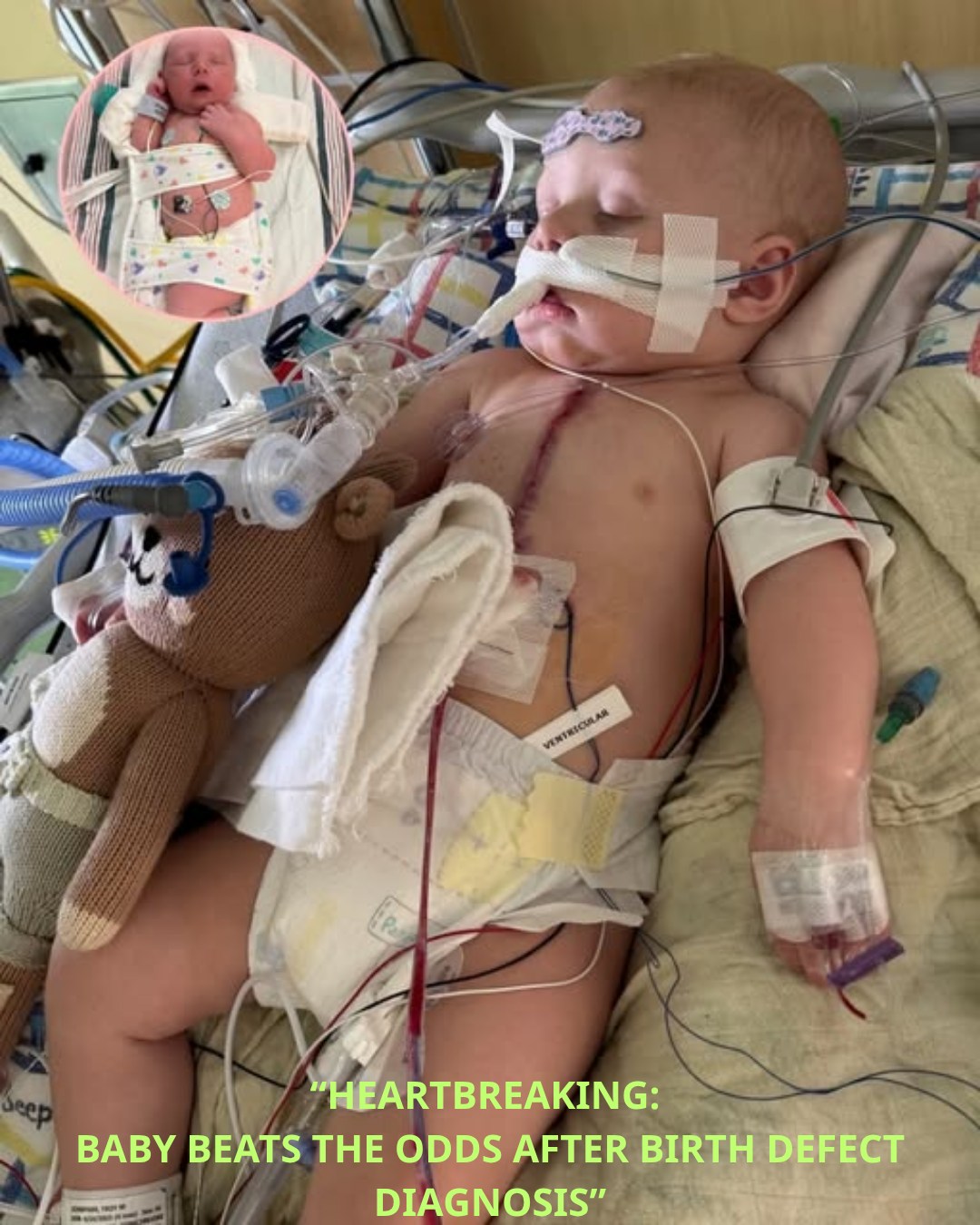
The Boy Who Refused to Let Go: The Miracle of Baby Troy
The air in the neonatal intensive care unit was heavy with a silence that felt more suffocating than the hum of the machines. The medical team, veterans of a thousand crises, stood at the foot of the incubator and slowly shook their heads. There was no professional optimism left to offer, no clinical silver lining to grasp. The lead cardiologist turned to Troy’s parents, his voice barely a whisper, and delivered the sentence every parent fears most: “He won’t make it past the first week. It is time to say your goodbyes.”
Baby Troy had entered the world with a heart so profoundly defective that it seemed like a cruel mistake of nature. His cardiovascular system was a tangled web of structural failures, a heart so broken that even the most advanced modern surgeries had failed to stabilize it. After three consecutive emergency procedures, the surgical team had reached their limit. The damage was too deep, the tissue too fragile, and his tiny body was simply too exhausted to endure more.
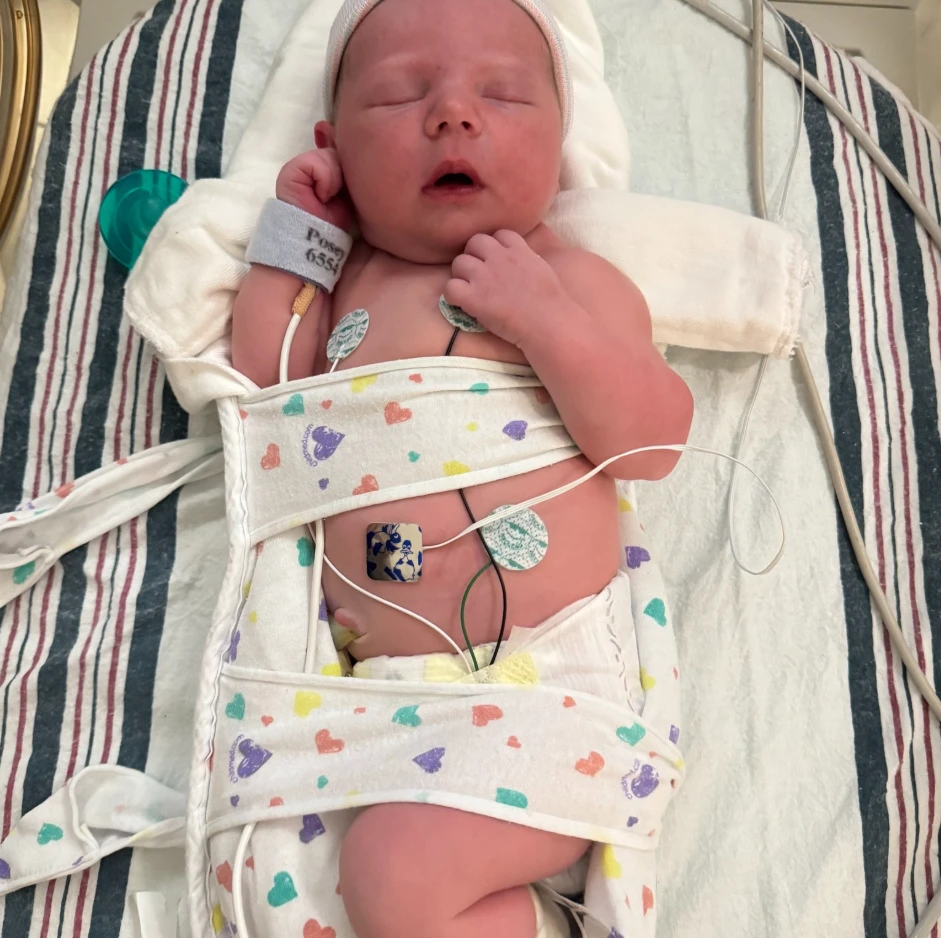
For days, Troy’s chest struggled for every single breath, a rhythmic, desperate battle against an inevitable end. The monitors screamed constant warnings, their high-pitched alarms cutting through the sterile room like a physical blow to his parents’ hearts. They sat by his side, hands trembling as they touched the plastic casing of the incubator, watching their son fade. The hospital chaplain had been called. The paperwork for the end-of-life protocol had been prepared. The world had already accepted the worst.
But then, in the deepest hour of the night, something impossible happened.
It began with a subtle change in the rhythm of the monitors. The chaotic, jagged lines of his heart rate started to smooth into a steady, determined pulse. The oxygen saturation levels, which had been plummeting for hours, began to climb back into the safe zone without any adjustment to the machines. The doctors were called back into the room, expecting to confirm the end, but instead, they stood speechless.
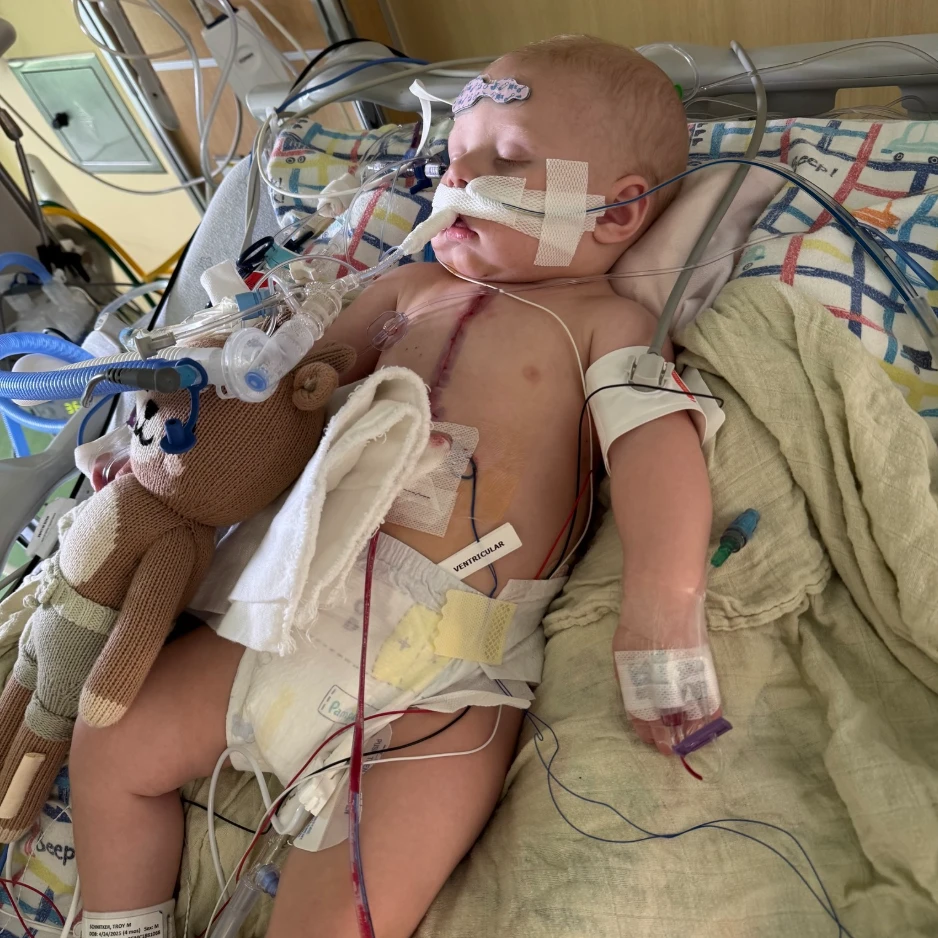
Baby Troy wasn’t just hanging on; he was fighting back in a way that defied every medical textbook. His heart, once deemed beyond repair, began to compensate with a strength that left the specialists baffled. The organs that were supposed to be failing started to recover. By the morning of the eighth day—the day they said he would never see—Troy opened his eyes and took a breath on his own for the very first time.
Today, those same doctors call Troy a “living anomaly.” There is no clinical explanation for why his body chose that specific moment to heal itself, or how a heart so damaged found the strength to beat. It wasn’t the medicine or the surgery that won the day; it was the inexplicable, fierce resilience of a child who refused to leave. Troy didn’t just survive the week—he rewrote the definition of hope for everyone who witnessed his journey. His life remains a powerful testament to the fact that even when the monitors scream failure and the world gives up, the human spirit can find a way to stay.