Saudi Prince Reads Bible To Family To Make Fun of GOD But He Turns Christian Instead
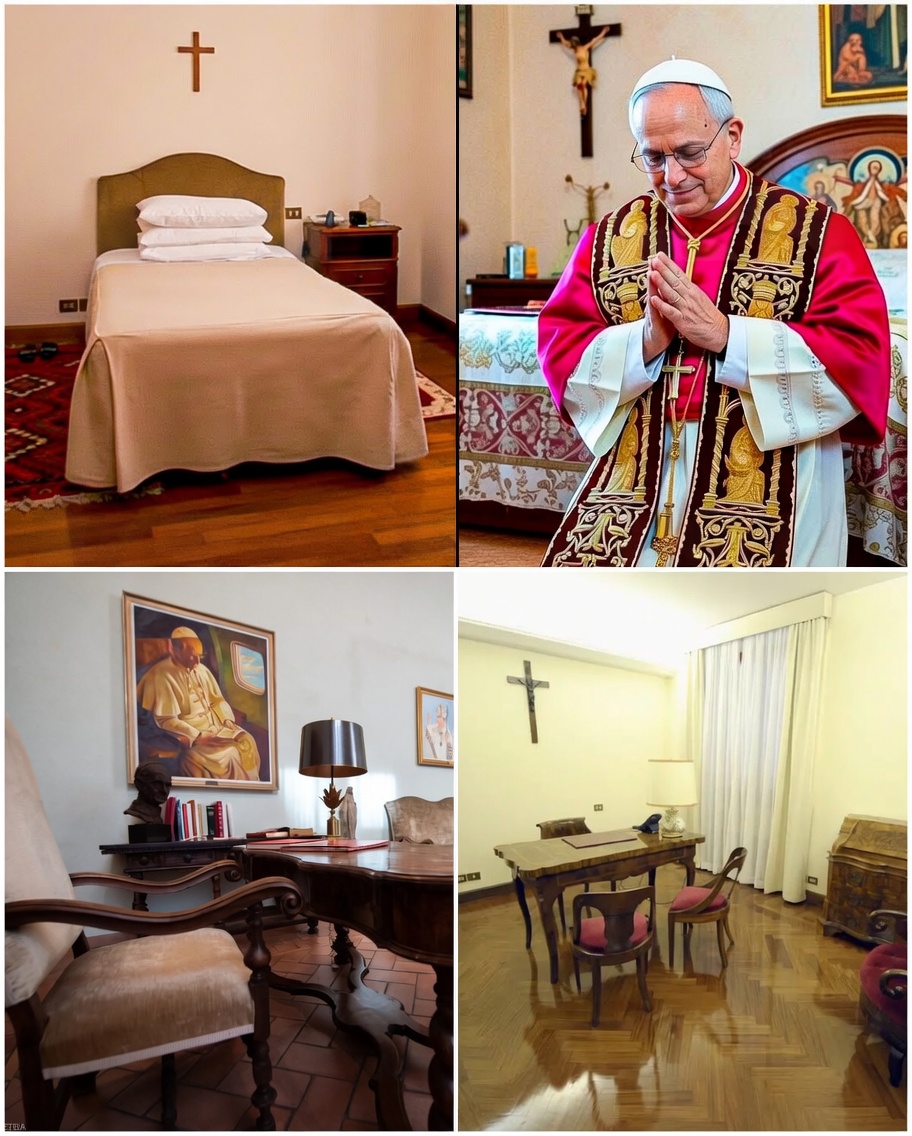
Inside the Apostolic Palace: 15 Fascinating Secrets of the Pope’s Private Quarters
The Apostolic Palace in Vatican City stands as one of the most guarded and mysterious residences on the planet. While the public is familiar with the grand balconies and the sweeping views of St. Peter’s Square, the inner sanctum—the Pope’s private living quarters—remains a world frozen between ancient tradition and modern necessity. These rooms have served as the backdrop for history-altering decisions, Renaissance-era scandals, and the quiet, solitary lives of the men chosen to lead the Catholic Church.
One of the most striking traditions involves the physical sealing of the apartments. Upon the death of a Pope, the Cardinal Camerlengo oversees the placement of ceremonial red wax seals on the doors. This ritual is not merely symbolic; it is a centuries-old security measure designed to prevent looting or the unauthorized removal of sensitive documents before a successor is elected. Access is strictly forbidden until the next pontiff is chosen.

Technological transitions have also provided some of the strangest moments in the palace’s history. For decades, the quarters were notorious for outdated infrastructure. It is whispered that during the late 20th century, the electrical outlets were so antiquated that they posed a constant fire hazard, eventually necessitating a massive, secretive renovation to bring the holy residence into the modern age. Despite these updates, the palace still maintains its “third light” tradition. For years, the illumination of a specific window served as a silent signal to the thousands of faithful gathered in the square below, indicating whether the Holy Father was still at work or if he had passed away.
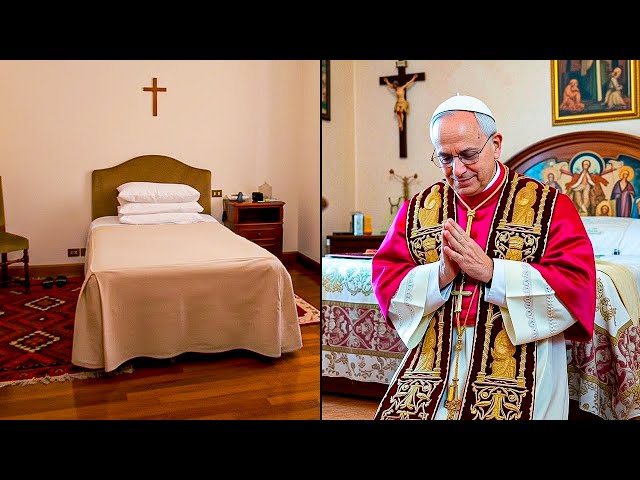
Modernity, however, brought a shocking twist when Pope Francis broke a tradition spanning over a century. Since his election, he has largely refused to live in the grand papal apartments on the third floor, choosing instead the more modest surroundings of the Domus Sanctae Marthae guesthouse. He claimed the palace felt too isolated, essentially leaving the official private quarters a pristine, empty museum of marble and history for more than a decade. From hidden elevators installed for aging popes to the secret medical suites prepared for emergencies, the Apostolic Palace remains a labyrinth of divine duty and human frailty, proving that even the most sacred halls have walls that whisper of the world’s strangest secrets.