TOLD HER HEART MIGHT NOT SURVIVE ANOTHER PREGNANCY, EMILY STILL FOUGHT FOR A BABY DIAGNOSED WITH SPINA BIFIDA — AND THEIR JOURNEY DEFIED EVERY FEAR
A mother who once feared she would never live long enough for her newborn daughter to remember her is now celebrating a miracle few thought possible.
At just 25 years old, Emily Carter’s life changed overnight when she was diagnosed with severe heart failure shortly after giving birth. What should have been one of the happiest moments of her life quickly became a terrifying battle for survival.
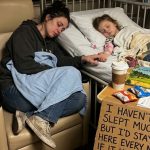
Night after night, Emily lay awake beside her sleeping baby, silently crying while trying not to wake her children.
“I remember holding my newborn and wondering if I would live long enough to see her first birthday,” Emily shared. “I kept asking myself if she would ever truly know how much I loved her.”
Doctors warned Emily that her condition placed her at risk of sudden cardiac complications. She was exhausted constantly, struggling with even the simplest daily tasks. The once energetic young mother felt like she was slowly losing herself.
For months, she fought through treatments, fear, and uncertainty — and eventually, her heart began to recover. Two years later, she was officially in remission.
But alongside the relief came heartbreaking news.
Doctors told Emily she could never safely carry another child, warning that another pregnancy could put her life at serious risk. Though devastated, she focused on raising the three children who already depended on her love and strength.
Then, life took another unexpected turn.
Despite every precaution, Emily discovered she was pregnant again.
The news sent shockwaves through the family. Her loved ones begged her to end the pregnancy out of fear for her health. Even doctors strongly warned against continuing due to the danger to her heart.
“I was terrified,” Emily admitted. “But something deep inside me kept telling me this baby was meant to be here.”
After many emotional conversations and sleepless nights, Emily made the difficult decision to continue the pregnancy.
For several months, everything appeared stable. Her heart function remained within normal limits, and doctors closely monitored both mother and baby.
But during a routine anatomy scan, the family received devastating news once again.

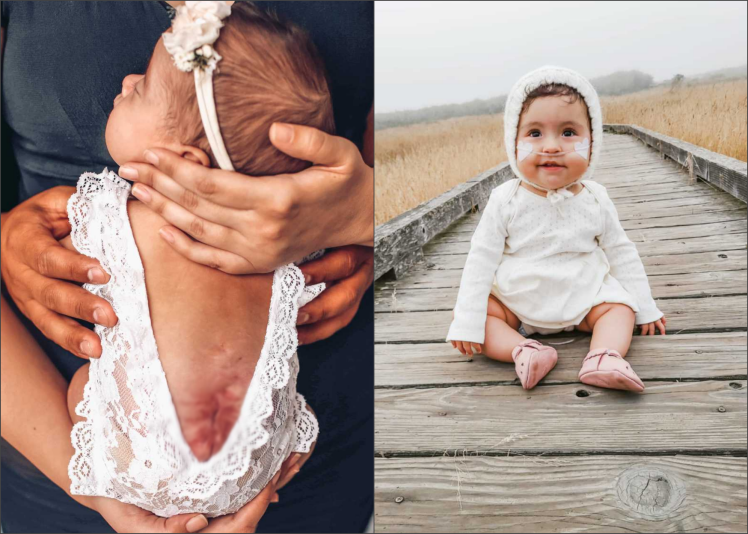
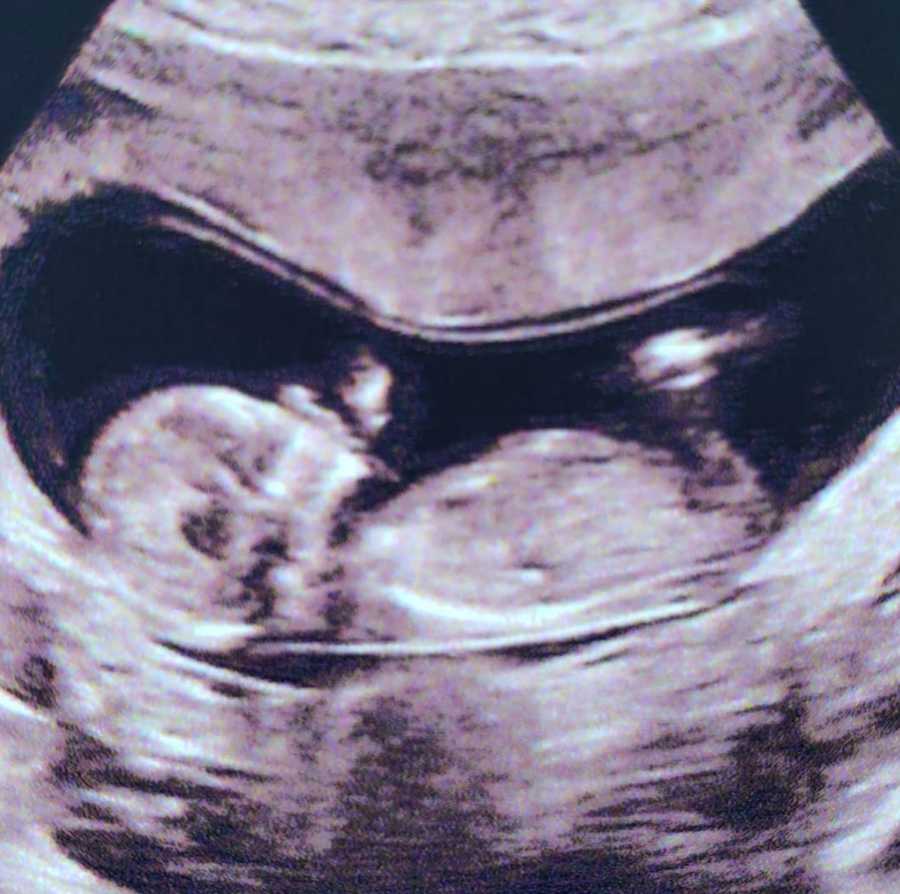
Their unborn daughter had been diagnosed with Spina Bifida, a condition in which the spine does not fully develop during pregnancy. Doctors explained that the baby’s spinal nerves were exposed and warned the family about possible long-term complications, including difficulty walking and neurological challenges.
The diagnosis shattered Emily and her husband.
“We drove home in silence,” her husband recalled. “But even in our fear, we knew we had to keep fighting for her.”

Not long after, doctors informed the family about an experimental fetal surgery being offered through a local medical trial. At the time, only a handful of mothers in the United States had undergone the groundbreaking procedure.
Despite concerns about whether Emily’s heart could survive both surgery and pregnancy, the family decided to pursue every possible chance for their daughter.
At 25 weeks pregnant, Emily underwent delicate fetal surgery to repair the opening on her baby’s spine before birth.

“I was terrified walking into that operating room,” she said. “All I could think about was my children and whether we would both make it through.”
The surgery was successful.
Doctors soon noticed early signs of improvement in the baby’s condition, giving the family renewed hope. But the journey was far from over.
Just weeks later, Emily suffered a sudden placental abruption at only 28 weeks pregnant and was rushed into an emergency C-section after severe bleeding. For several terrifying moments, doctors lost the baby’s heartbeat.

Then, a faint cry filled the operating room.
Her daughter — tiny but alive — had survived.
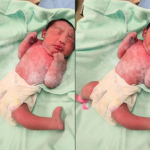
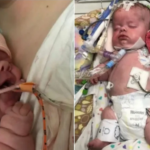
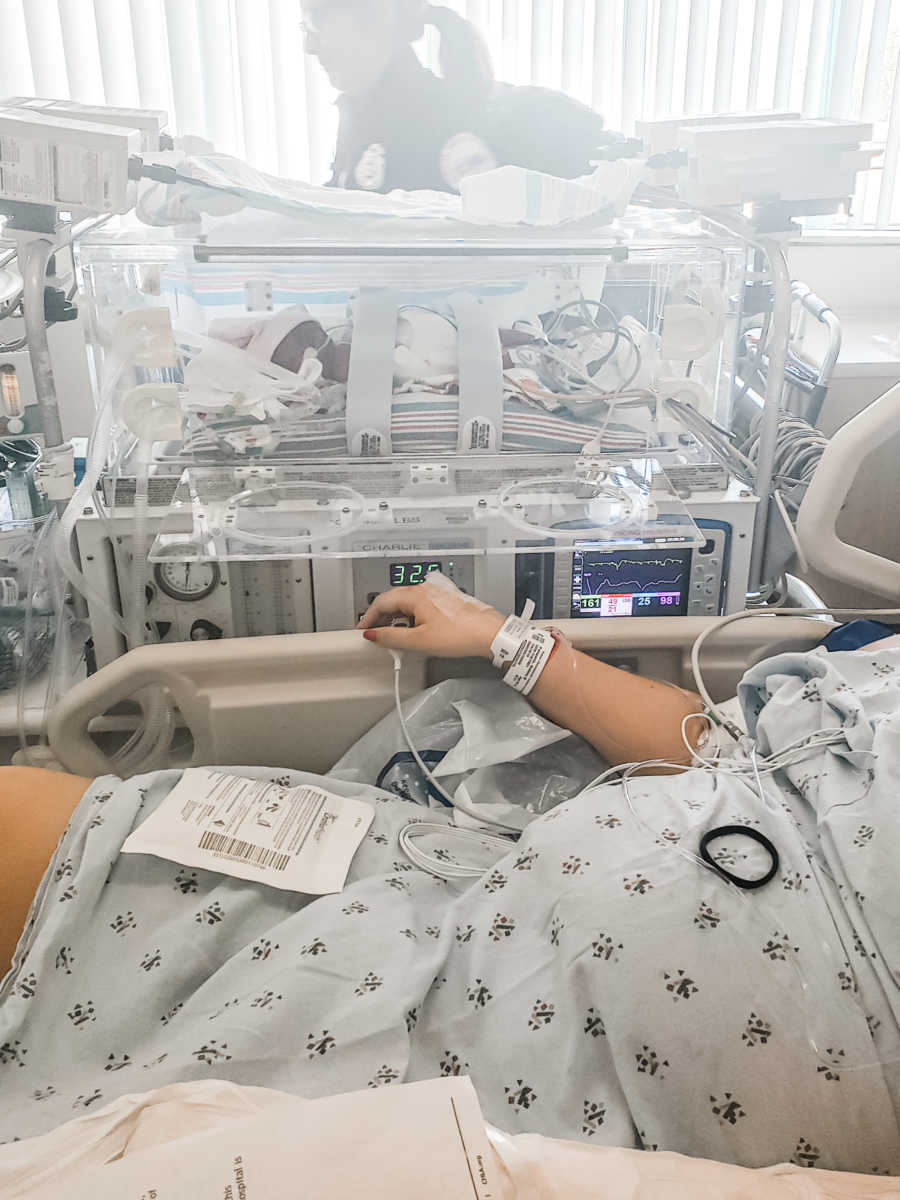
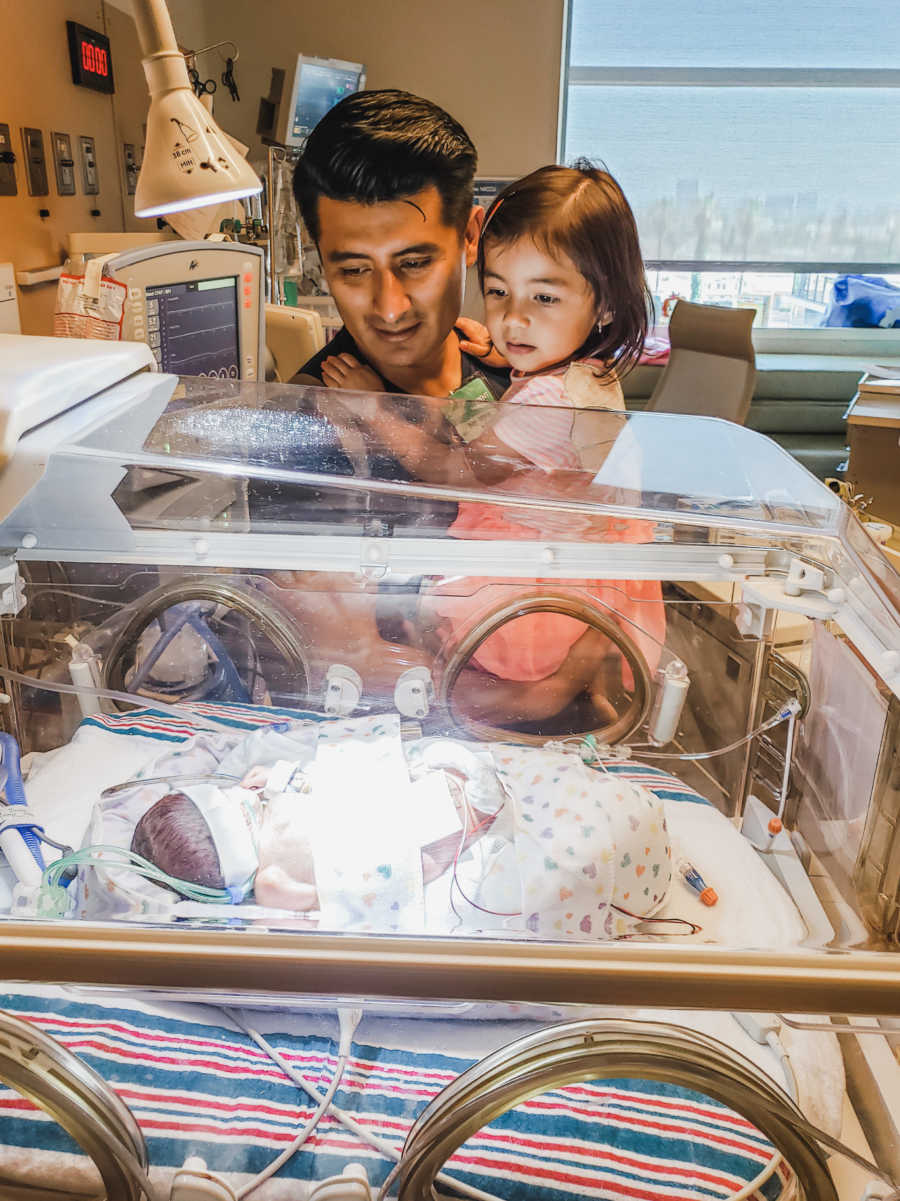
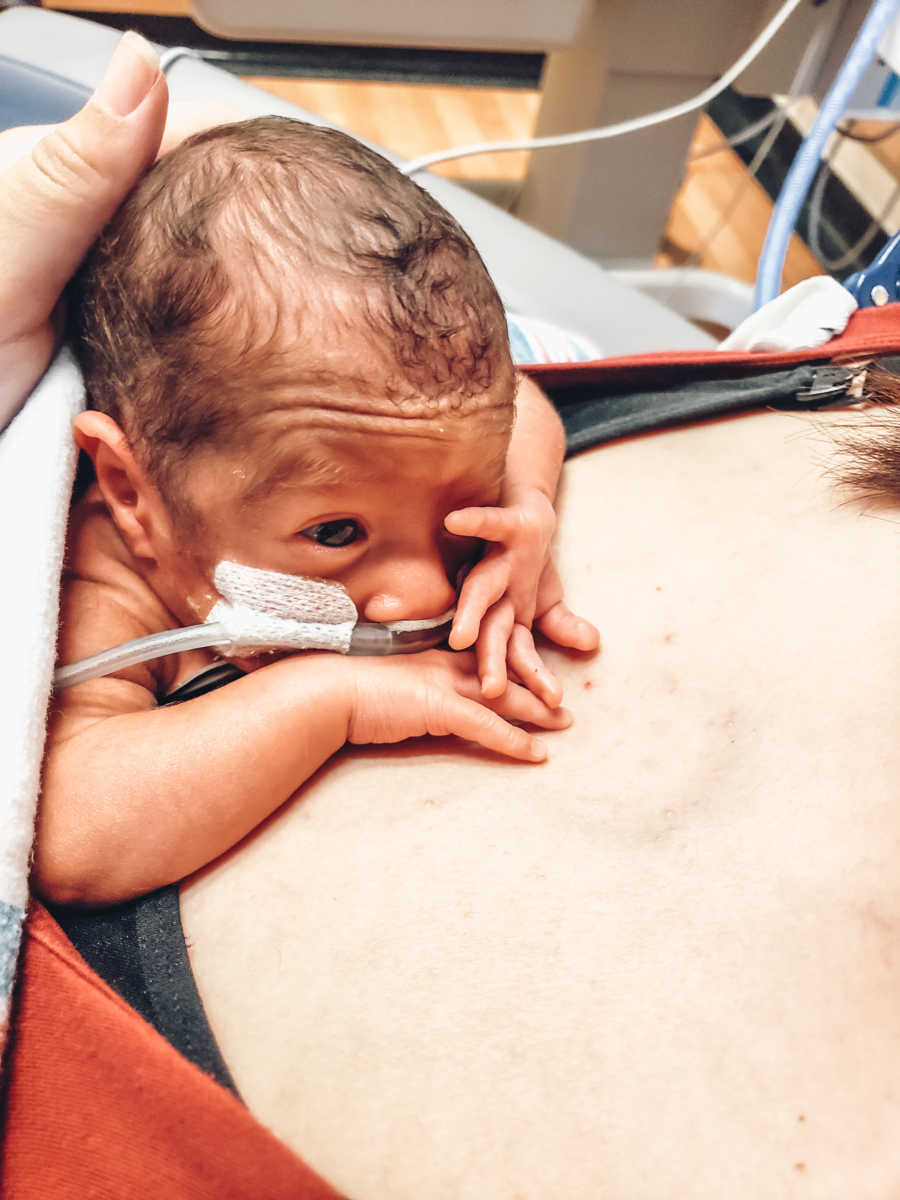
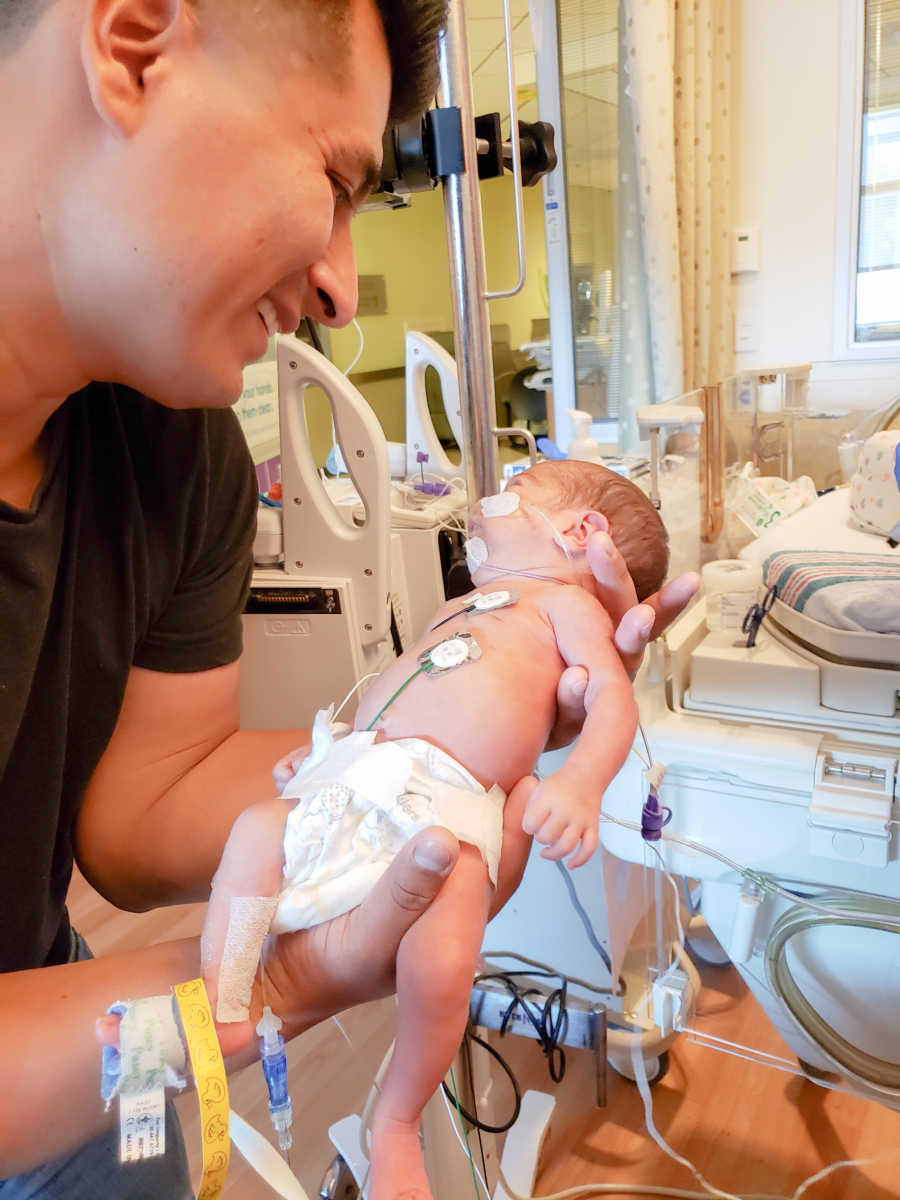
Baby Amelie Lucca was born weighing just two pounds and immediately transferred to intensive care. Meanwhile, Emily was moved to the ICU, where she required blood transfusions and intensive monitoring.
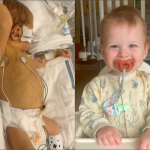
For the next three months, the family made daily trips to the children’s hospital, balancing fear, exhaustion, hope, and small victories along the way.

“There were days we cried from heartbreak, and days we cried from joy,” Emily shared. “But we never stopped believing in her.”
Slowly, Amelie grew stronger.
And finally, just before her original due date, doctors gave the family the news they had been praying for — she was healthy enough to go home.
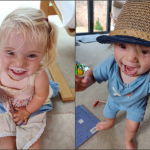
Today, the once fragile two-pound baby is now a joyful, strong-willed little girl who continues to surprise doctors with her progress. Despite all the fears surrounding her diagnosis, Amelie has begun taking steps on her own.

“The little girl they said may never walk is proving everyone wrong,” Emily’s husband said emotionally. “She’s our miracle.”
Looking back on the difficult journey, Emily says every painful moment was worth it.
“She’s exactly the little girl I dreamed of from the very beginning,” she said. “And somehow, through all the fear and uncertainty… everything turned out okay.”