
The Final Moment No One Saw Coming: Pope Leo XIV’s Private Farewell to His Brother
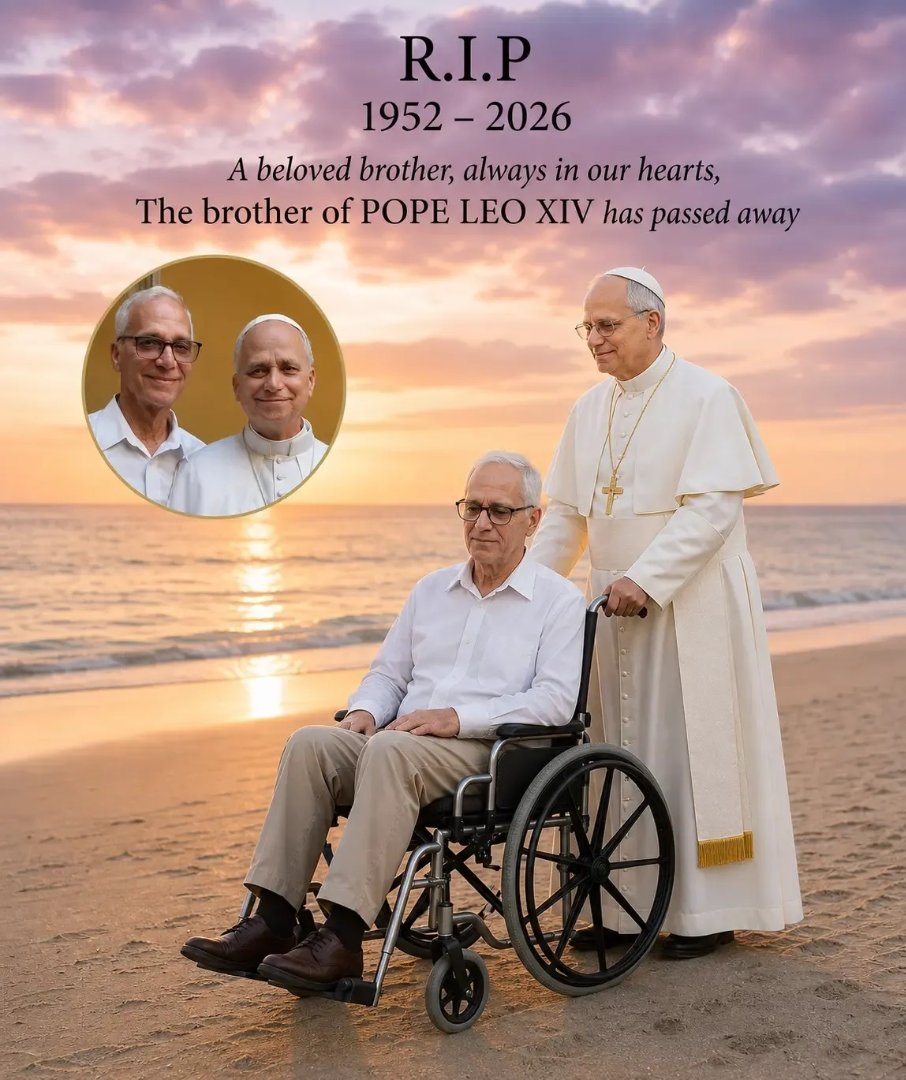
In a moment marked by quiet sorrow and profound humanity, Pope Leo XIV set aside the immense responsibilities of his office to be at the side of his older brother during his final hours—an intimate farewell that has since resonated deeply with the faithful around the world.
According to information provided by those close to the situation, the Pope made the deeply personal decision to withdraw from public duties upon learning that his brother’s condition had worsened significantly. Despite the relentless demands of leading the Catholic Church, he chose instead to prioritize family, stepping away from the spotlight to be present in what would become a deeply emotional final chapter.
The scene, described as both heartbreaking and serene, unfolded away from cameras and public attention. In a quiet room, far from the grandeur typically associated with the papacy, Pope Leo XIV remained at his brother’s side, offering comfort, prayers, and companionship. Those familiar with the moment say that it was defined not by ceremony, but by the raw, universal experience of love and loss.
As the hours passed, the Pope reportedly held his brother close, speaking softly and remaining present until the very end. It was in that stillness, surrounded by a sense of peace, that his brother passed away in his arms. The simplicity and intimacy of the moment stand in stark contrast to the global stage on which Pope Leo XIV so often stands.
While details about the brother’s illness have not been publicly disclosed, the emotional weight of the loss has been felt far beyond the private setting in which it occurred. News of the Pope’s decision to step away from his duties, even briefly, has drawn widespread attention and prompted an outpouring of sympathy and reflection.
For many observers, the moment underscores a powerful truth: that even the highest spiritual leader in the Catholic Church is not immune to the deeply personal experiences that define the human condition. Grief, love, and the bonds of family transcend titles and roles, reminding the world that behind the papal vestments is a man who shares in the same joys and sorrows as those he leads.
Religious commentators have noted that Pope Leo XIV’s actions reflect core values often emphasized in his teachings—compassion, presence, and the importance of human connection. By choosing to be physically and emotionally present with his brother, he embodied the very principles that form the foundation of his spiritual leadership.
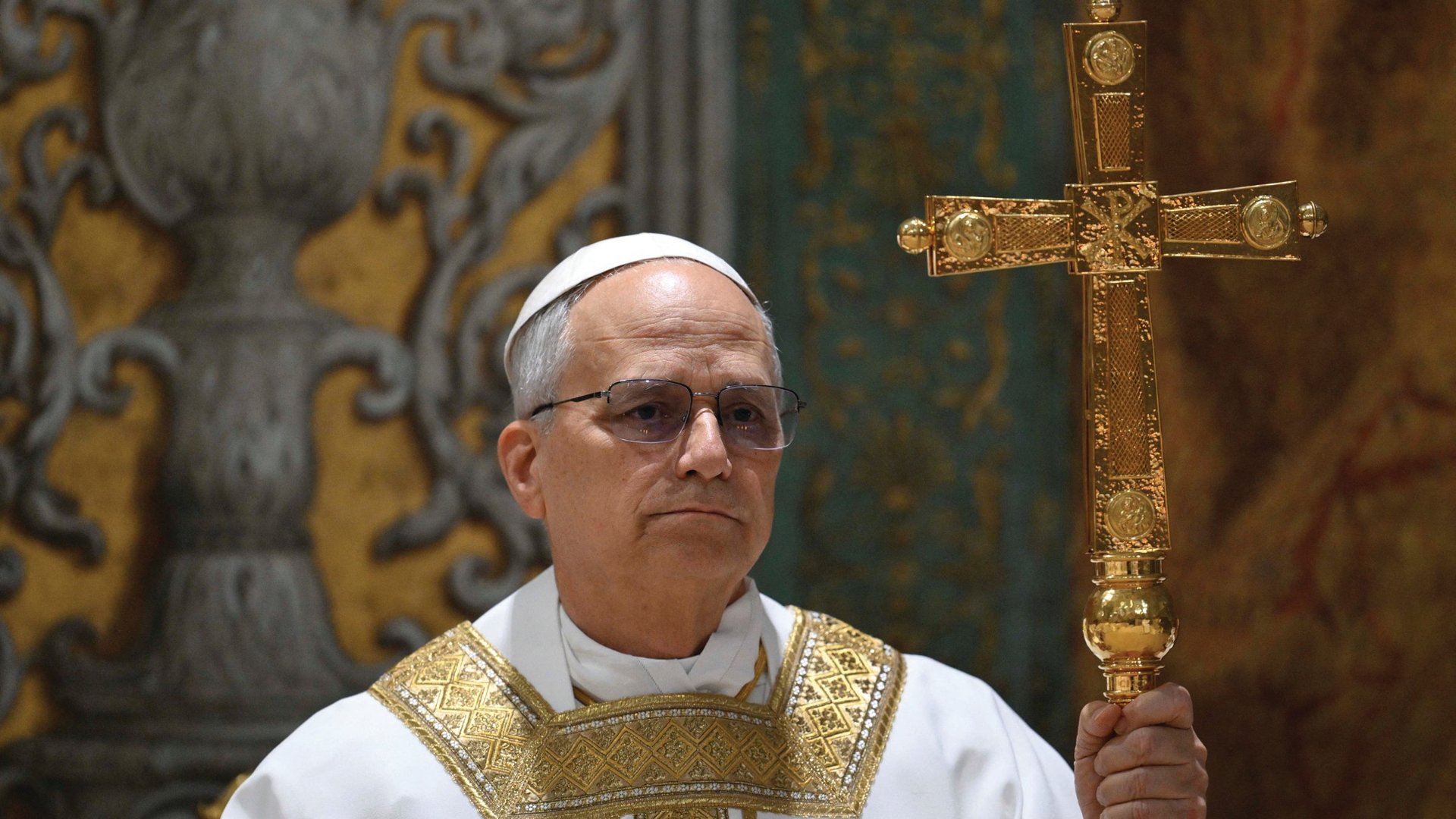
The Vatican has not released an extensive official statement regarding the circumstances, instead opting for a brief acknowledgment of the loss and a request for prayers. This restraint has only added to the poignancy of the story, reinforcing the deeply personal nature of the moment.
Across social media and religious communities, messages of condolence have poured in. Many have expressed admiration for the Pope’s decision, viewing it as a powerful example of prioritizing what truly matters in life. Others have shared their own experiences of loss, finding comfort in the shared humanity reflected in the Pope’s actions.
“This is a reminder that no matter who we are, family is everything,” one message read. Another noted, “In his most vulnerable moment, he showed us what it means to love unconditionally.”
Historians of the Church point out that while the papacy is often associated with tradition, ritual, and authority, moments like this reveal a more personal dimension of the role—one that is rarely seen but deeply impactful. The image of a Pope holding his dying brother is likely to remain etched in the collective memory as a symbol of humility and devotion.
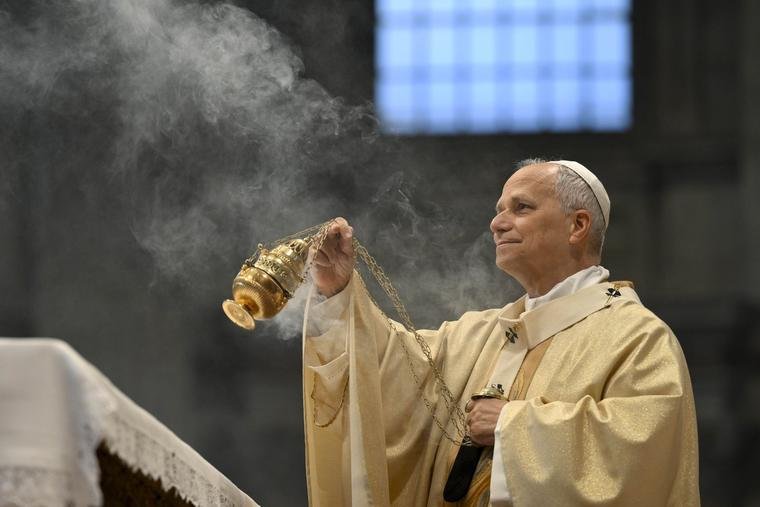
As Pope Leo XIV prepares to resume his public duties, the memory of this private farewell lingers. It is a story not of power or influence, but of love, presence, and the quiet dignity of being there for someone in their final moments.
In a world often dominated by noise and spectacle, this deeply human moment stands apart—a reminder that sometimes the most profound acts are those carried out in silence.