Beyond the Scars: The Controversial Marriage of Berfin Ozek and Her Attacker
Beyond the Scars: The Controversial Marriage of Berfin Ozek and Her Attacker
The pursuit of justice and the complexities of the human heart have collided in a case that has left the international community in a state of profound shock. Berfin Ozek, a young Turkish woman whose life was irrevocably altered by a horrific act of violence, has made a choice that few can comprehend: she has married the very man who sought to destroy her. This development has reignited a fierce global debate regarding trauma, emotional manipulation, and the protection of victims within the legal system.
In 2019, following the end of their relationship, Casim Ozan Celtik committed an act of unimaginable cruelty by throwing acid at Berfin’s face. The attack left her with permanent, life-altering injuries, including severe facial disfigurement and a partial loss of vision. The physical pain was accompanied by the public outcry of a nation demanding justice. Initially, Celtik was sentenced to over 13 years in prison, a verdict that many felt was a necessary step toward holding him accountable for his crimes. However, due to subsequent changes in legislation and legal technicalities, he was granted conditional release much earlier than expected.
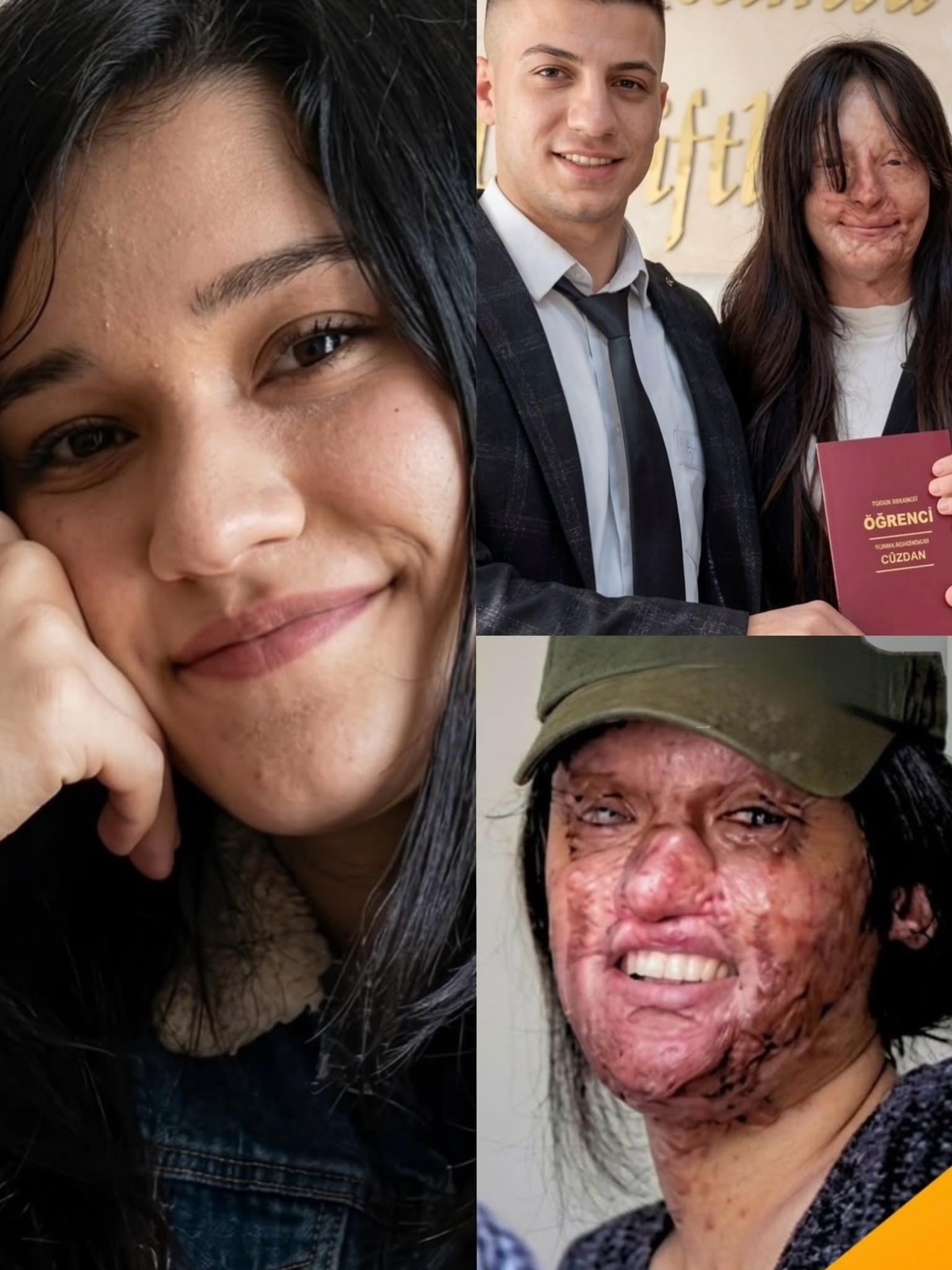
While behind bars, Celtik began a campaign of emotional reconciliation, flooding Berfin with letters and messages filled with pleas for forgiveness and professions of love. Despite the physical evidence of his brutality etched into her skin, Berfin eventually withdrew her legal complaints against him, citing her belief in his remorse. Shortly after his release, the two were wed in a formal ceremony. Photographs of the couple signing their marriage certificate went viral, sparking an immediate and polarized reaction across social media and among human rights organizations.

Experts in domestic violence and psychology warn that this union may not be a story of ultimate forgiveness, but rather a tragic example of the complex psychological bonds that can form between an aggressor and a victim. Critics argue that Berfin’s decision highlights a lack of adequate support systems for survivors of gender-based violence, who may feel pressured or manipulated into reconciling with their tormentors. As the images of their wedding continue to circulate, the case stands as a haunting reminder of the deep scars—both visible and invisible—that remain long after the physical wounds have closed, challenging our understanding of survival and the true meaning of a second chance.