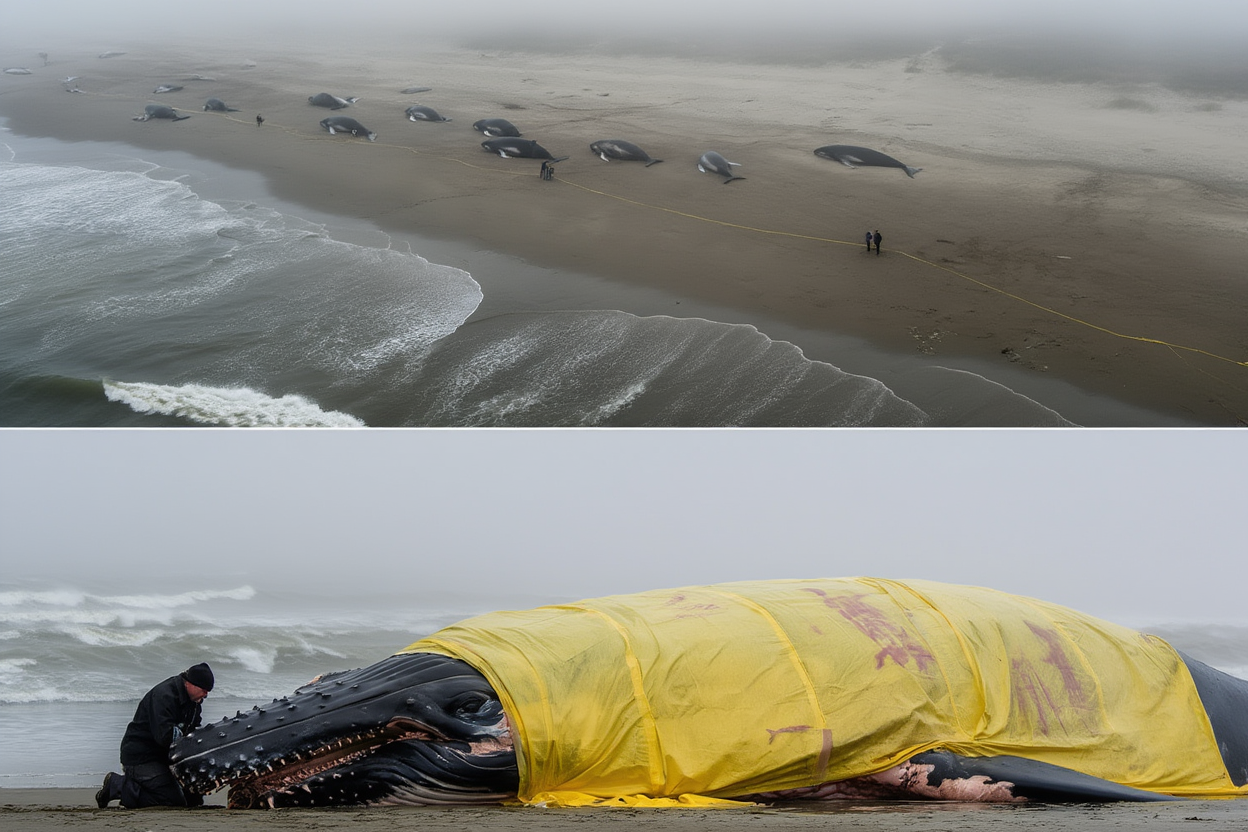
ALARMING PATTERN IN THE PACIFIC NORTHWEST: 18 GRAY WHALES FOUND DEAD THIS SEASON
ALARMING PATTERN IN THE PACIFIC NORTHWEST: 18 GRAY WHALES FOUND DEAD THIS SEASON
Marine scientists are raising urgent warnings as an unusually high number of gray whale deaths—18 confirmed so far—are recorded along the Pacific Northwest coast this migration season. Experts fear the toll may be linked to starvation caused by warming Arctic waters, a stark consequence of climate change.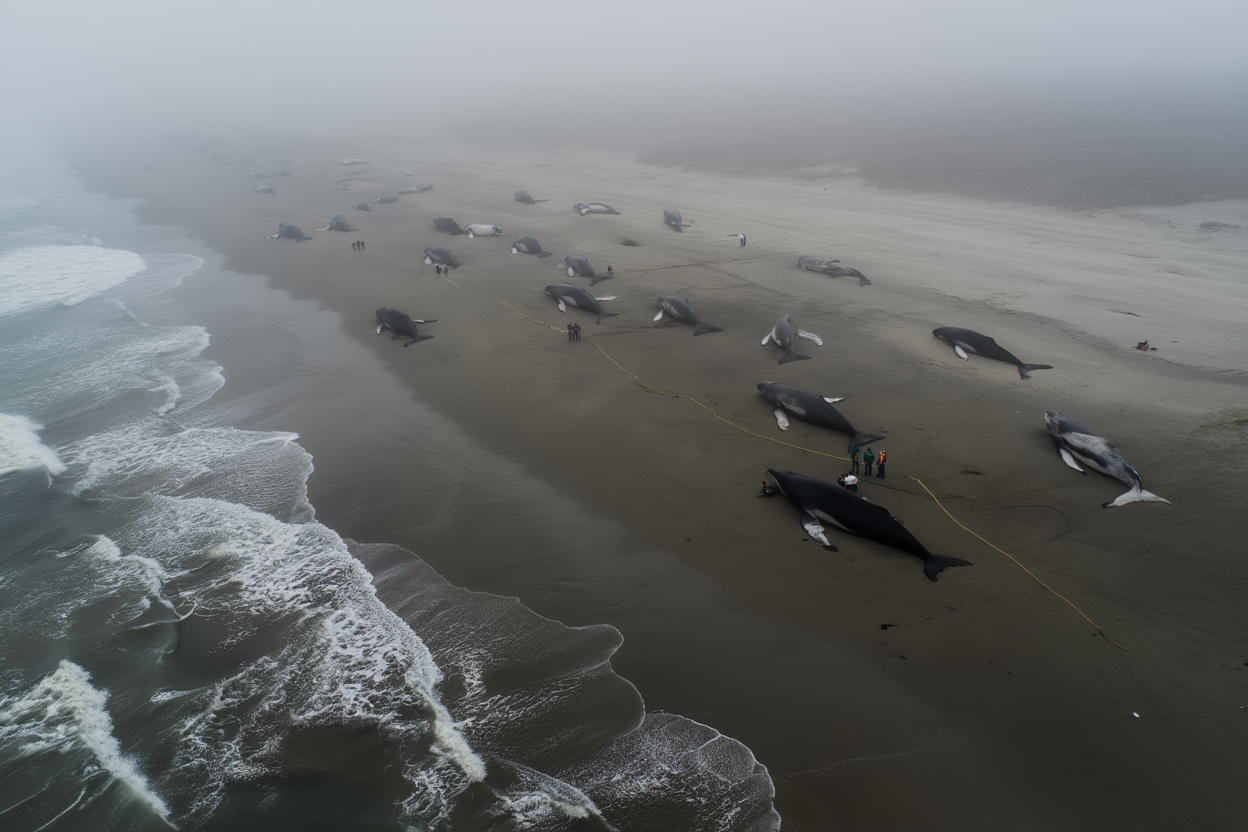
Gray whales, which undertake one of the longest migrations of any mammal on Earth, rely heavily on rich Arctic feeding grounds to fuel their journey. Rising sea temperatures and declining populations of tiny crustaceans—the whales’ primary food source—may be leaving these giants undernourished.
Dr. Samantha Lopez, a marine biologist with the Northwest Marine Institute, explains:
“The body condition of many stranded whales indicates severe malnutrition. This is not an isolated event but part of a troubling trend we’ve seen over the past decade as ocean ecosystems are increasingly disrupted.”
Why this matters:
- Gray whales are sentinel species, meaning their health reflects the state of the marine environment.
- Each stranding is a warning about broader ecological impacts affecting fish, seabirds, and other marine life.
- Scientists warn that continued warming could drastically reduce whale populations and disrupt coastal ecosystems.
Safety Reminder:
If you encounter a stranded or distressed whale, never attempt to touch or rescue it yourself. Contact local wildlife authorities immediately:
- NOAA Fisheries Hotline: 1-866-767-6114 (U.S.)
- Washington State Department of Fish & Wildlife: 360-902-2200
The Northwest Marine Mammal Stranding Network emphasizes community vigilance. Reporting strandings quickly allows trained teams to collect vital data and attempt interventions when possible.
Ongoing Research: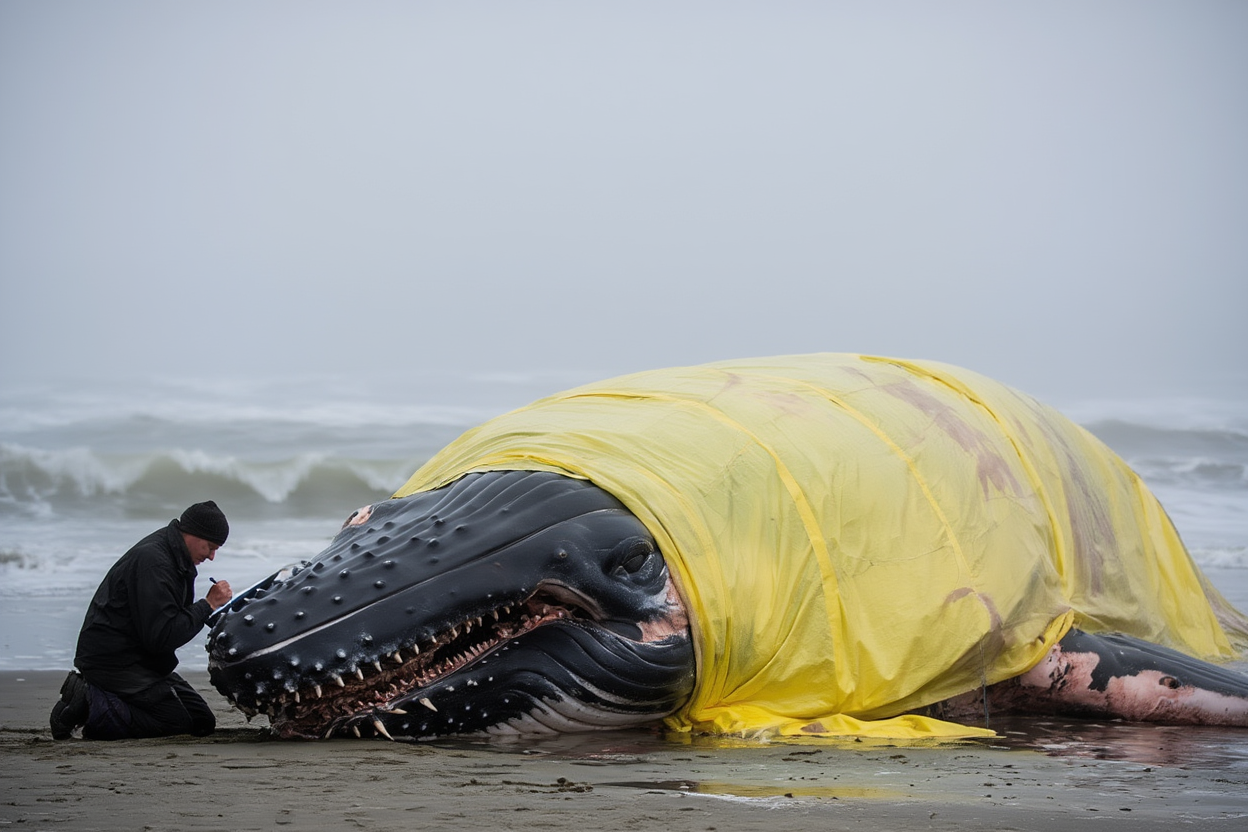
Scientists are analyzing patterns of death, migration routes, and prey availability to better understand the link between climate change and whale health. Early data suggests a growing correlation between warmer ocean waters, shrinking Arctic prey populations, and the rising number of malnourished strandings.
What you can do:
- Support marine conservation programs and ocean cleanups.
- Reduce carbon footprints to combat climate change.
- Spread awareness about the fragility of marine ecosystems.
The Pacific Northwest is witnessing a crisis not just for gray whales but for the entire marine ecosystem. Each death is a reminder that our oceans are changing—and human action can still make a difference.