AFTER THE SECOND DOSE OF GENE THERAPY, WILL ROBERTS SUDDENLY STOPS BREATHING
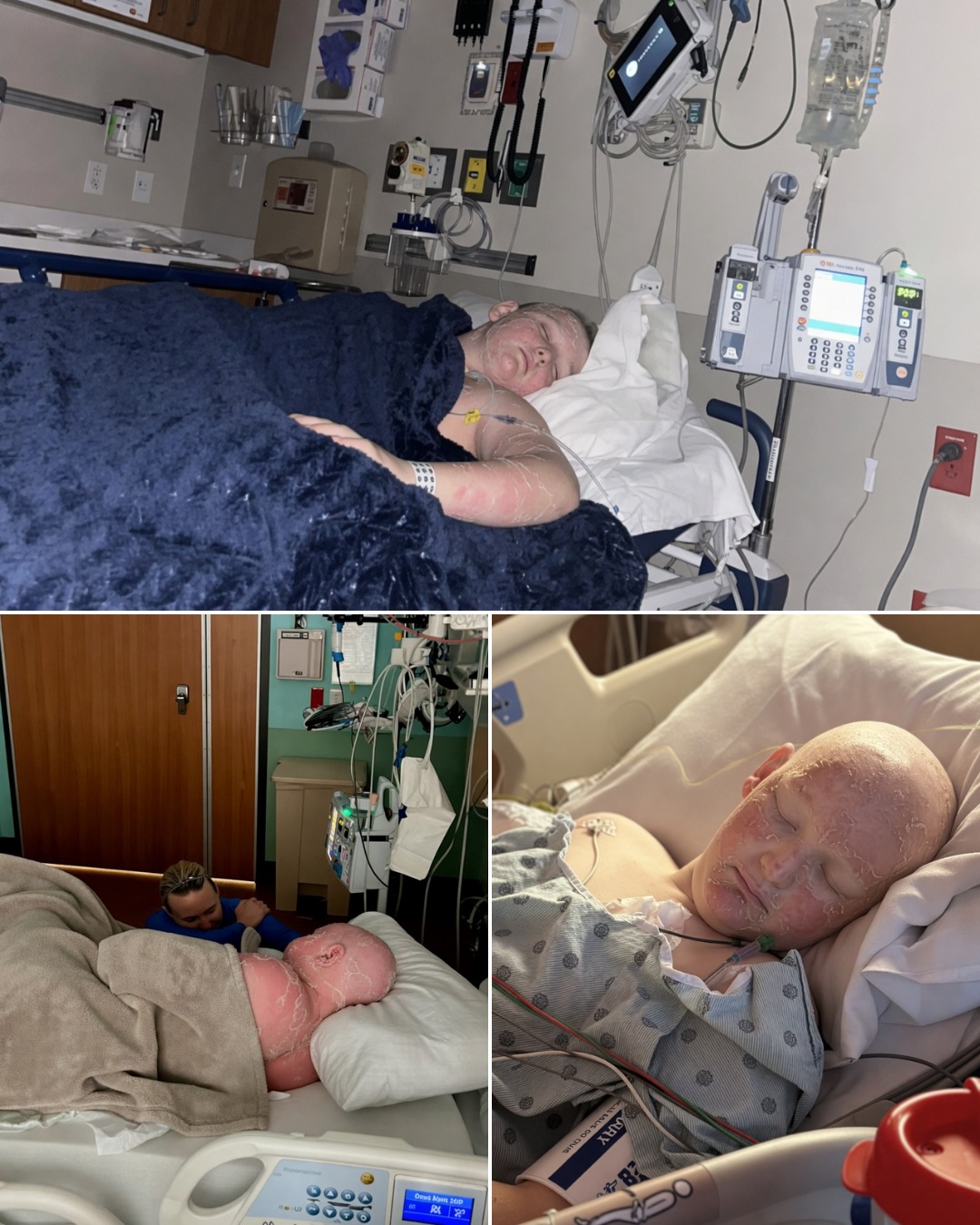
The Critical Struggle of Will Roberts: A Medical Crisis During Gene Therapy Treatment
The frontiers of modern medicine often exist at the intersection of profound hope and extreme peril. For fifteen-year-old Will Roberts, a routine medical intervention transformed into a harrowing life-and-death struggle that has sent shockwaves through the pediatric medical community. While undergoing an experimental treatment protocol involving DeltaRex-G, Will experienced a catastrophic physiological collapse that nearly cost him his life, raising urgent questions about the safety and monitoring of advanced gene therapies.
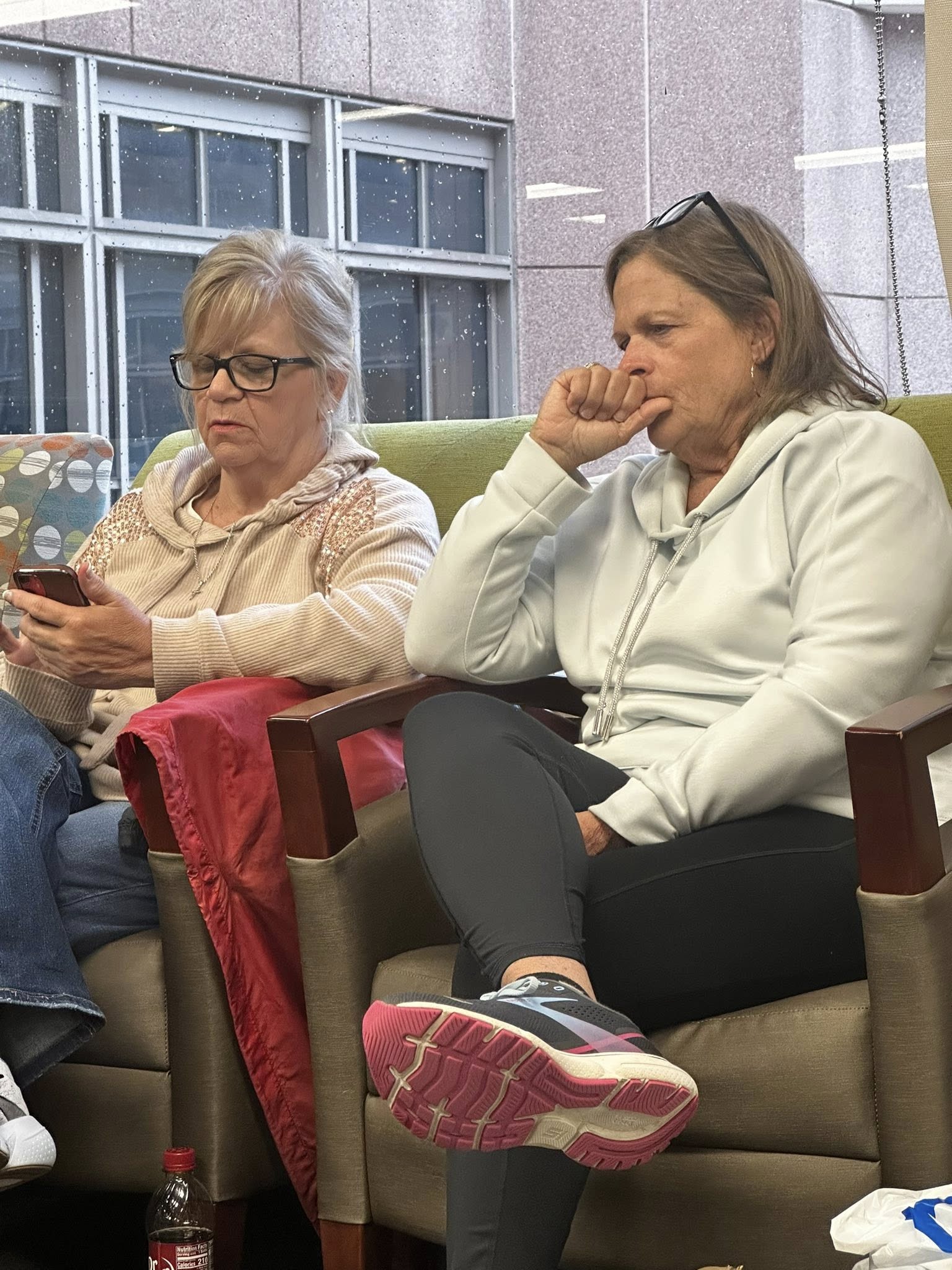
The incident occurred immediately following the administration of a second dose of the therapy. Within moments, the clinical setting descended into chaos as Will’s body began to shut down. Witnesses and medical personnel reported a terrifying sequence of events: sudden and total respiratory failure, followed by a rapid onset of limb paralysis and complete respiratory arrest. The medical team was forced into an immediate, high-stakes resuscitation effort, battling against a reaction that appeared as sudden as it was violent.
The lead physician overseeing the case, visibly shaken by the severity of the event, categorized the episode as the most dangerous and unprecedented reaction they had ever witnessed in a pediatric patient. This statement highlights a chilling reality for families navigating rare diseases: even the most promising scientific breakthroughs carry risks that can manifest with devastating speed. The primary concern now centers on why Will’s body, which had seemingly tolerated the initial stages of treatment, reacted with such lethal aggression to the second dose.
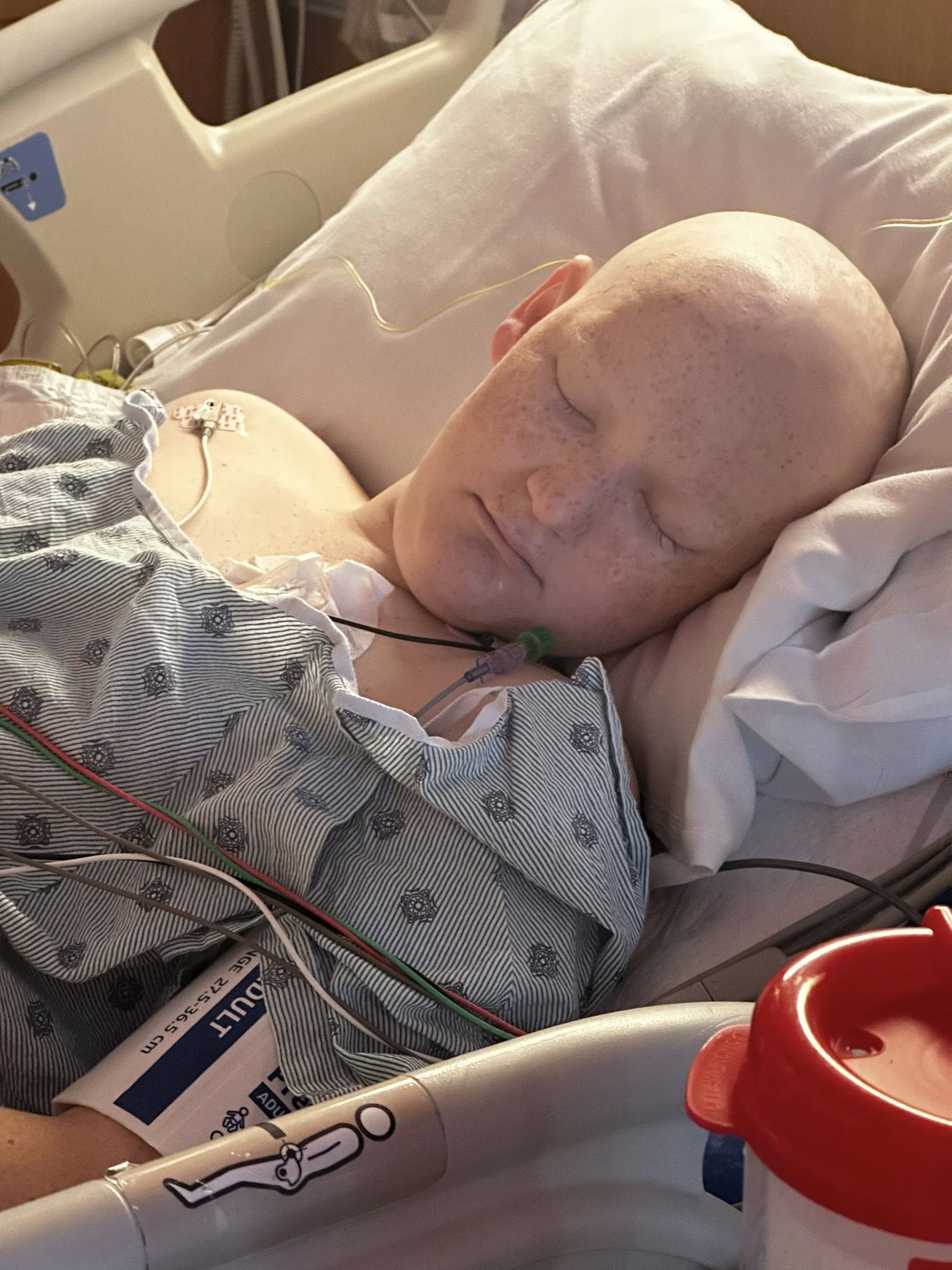
As Will remains under intensive observation, the medical community is grappling with the implications of this event. Was this an isolated immunological anomaly, or does it signal a broader systemic risk within this specific gene therapy framework? For Will’s family, the focus is not on the science, but on the survival of a boy who simply wanted a chance at a healthy future. His current condition remains critical, and the unexpected nature of this collapse serves as a somber reminder of the delicate balance between medical innovation and human safety. The path forward for Will remains uncertain, but his story has become a focal point for those demanding more rigorous oversight in the pursuit of medical miracles.