The Rare Medical Phenomenon of a Newborn Baby Born with Her Own Parasitic Twin
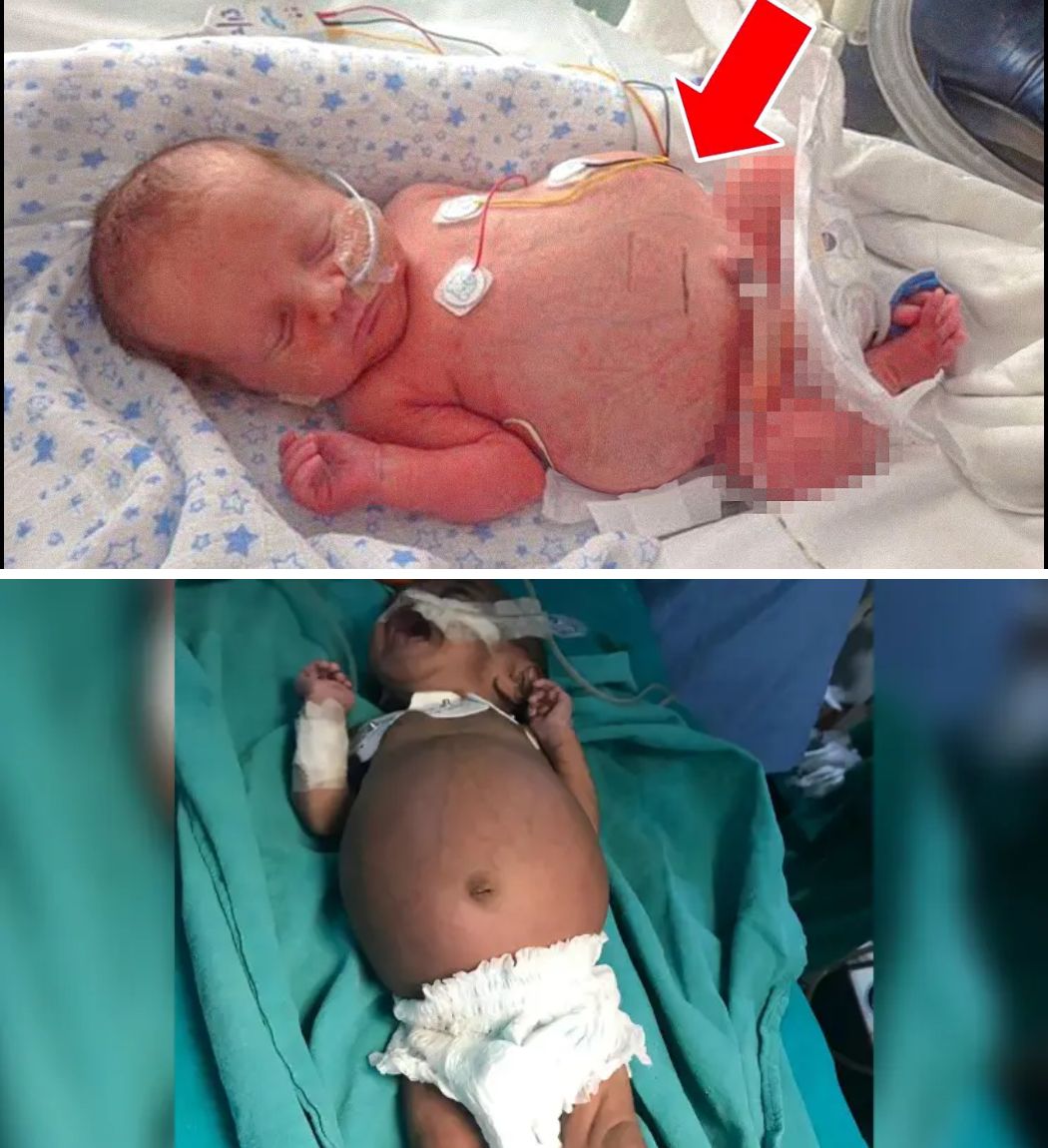
The Rare Medical Phenomenon of a Newborn Baby Born with Her Own Parasitic Twin
Receiving the news of an impending birth typically brings immense celebration, yet human biology occasionally presents anomalies that transform a joyful family milestone into a case of global clinical interest. Monica and Pedro Vega, a successful real estate couple from Barranquilla, Colombia, faced exactly this reality. After enduring years of unexplained infertility and the profound grief of two early miscarriages, the couple finally achieved a stable pregnancy through assisted reproduction. For the first six months, their journey proceeded smoothly under the watchful eye of Dr. Miguel Parra Saavedra, a renowned maternal-fetal medicine specialist.
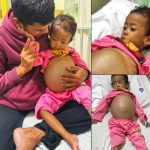
The trajectory of the pregnancy shifted dramatically during a routine ultrasound at 35 weeks gestation. Dr. Saavedra initially detected what appeared to be a standard liver cyst within the fetus. Seeking clarity, the medical team ordered advanced color Doppler and 3D/4D imaging. The results shocked the clinicians: the mass was not a fluid-filled cyst, but a highly developed embryonic structure. It possessed its own distinct umbilical cord, drawing a blood supply directly from the primary twin’s intestine. Little Itamara was growing in the womb while hosting her own parasitic twin inside her tiny abdomen.
This condition, medically documented as fetus-in-fetu, is an exceedingly rare developmental abnormality occurring in approximately 1 out of every 500,000 live births. It happens when an identical twin embryo is enveloped by the dominant twin during early gestation. While the internal twin possesses basic structures, it lacks a functional brain or independent cardiac system, relying entirely on the host sibling for survival. While historically diagnosed only after delivery, Itamara’s case marked a historical milestone because advanced imaging allowed physicians to identify the anomaly before birth, giving the medical team a critical window to plan.
The revelation threw the expectant parents into a state of panic, but Dr. Saavedra managed the crisis with precision. Fearing the internal mass would eventually crush the baby’s developing abdominal organs, the medical team scheduled an early cesarean section at 37 weeks. On February 22nd, Itamara was successfully delivered, weighing just over two kilograms. Twenty-four hours later, pediatric surgeons operated on the newborn to remove the parasitic structure, ensuring a full recovery. Itamara survived a medical miracle, leaving a legacy that will be studied by geneticists and obstetricians for generations to come.