SEVEN DEAD GRAY WHALES IN LESS THAN ONE MONTH — SCIENTISTS ARE GROWING ALARMED
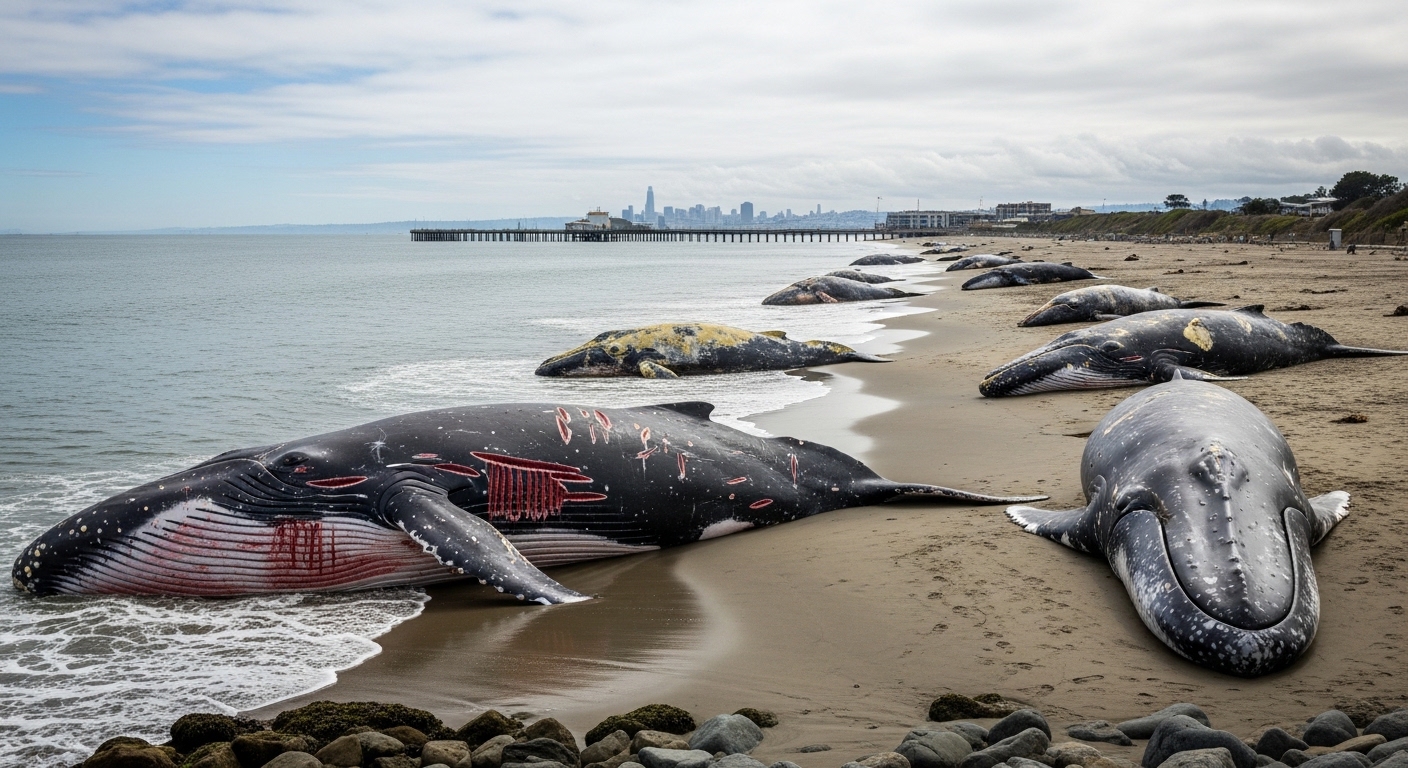
SEVEN DEAD GRAY WHALES IN LESS THAN ONE MONTH — SCIENTISTS ARE GROWING ALARMED
In less than four weeks, seven gray whales have been found dead along the Pacific Coast, raising alarm among marine biologists and conservationists. The first reported death occurred on March 17, when an adult female gray whale was suspected to have been killed in a ship strike. The most recent case involved a male gray whale found near Pier 19 in San Francisco, further intensifying concerns.
Researchers are sounding the alarm over the sudden spike in whale fatalities, warning that multiple factors may be at play. Ship collisions remain a primary threat, as massive cargo vessels increasingly traverse traditional whale migration routes. At the same time, unusual food shortages in the Arctic feeding grounds may leave whales weakened during their long journey, making them more vulnerable to accidents.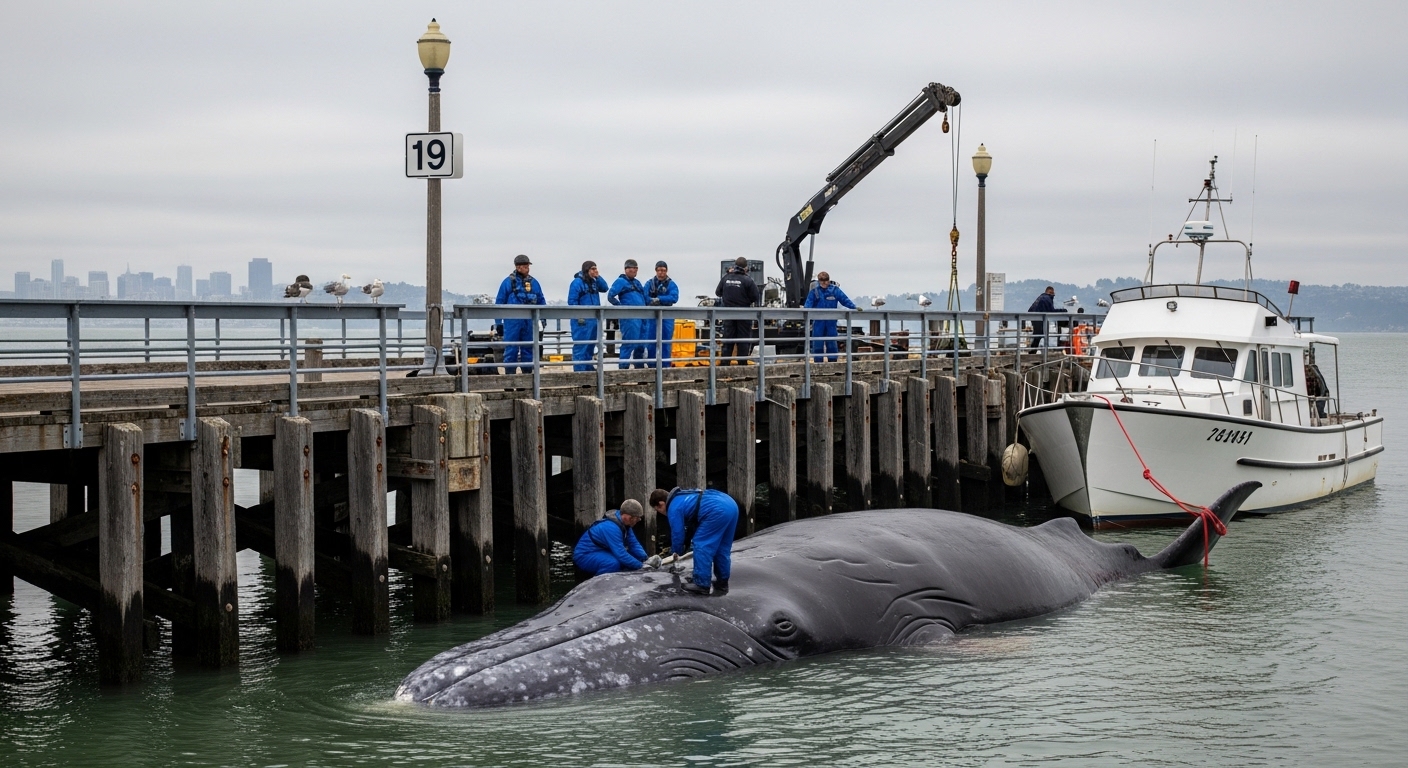
“This is more than just a series of isolated events,” explains Dr. Laura Chen, a marine ecologist studying gray whale migration. “The combination of changing ocean conditions, human activity, and disrupted food supplies could be creating a perfect storm for these already vulnerable animals.”
Gray whales travel thousands of miles each year between the Arctic and Baja California, relying on rich krill and small crustaceans to build fat reserves that sustain them through migration and breeding. Experts fear that declining prey availability, along with increased maritime traffic, may be putting unprecedented pressure on the population.
The deaths highlight broader concerns about the health of marine ecosystems. Whales play a critical role in oceanic environments, stirring nutrients and supporting the growth of plankton, which forms the foundation of the marine food chain. A decline in whale populations could have ripple effects throughout the Pacific, affecting fisheries, plankton populations, and overall ocean health.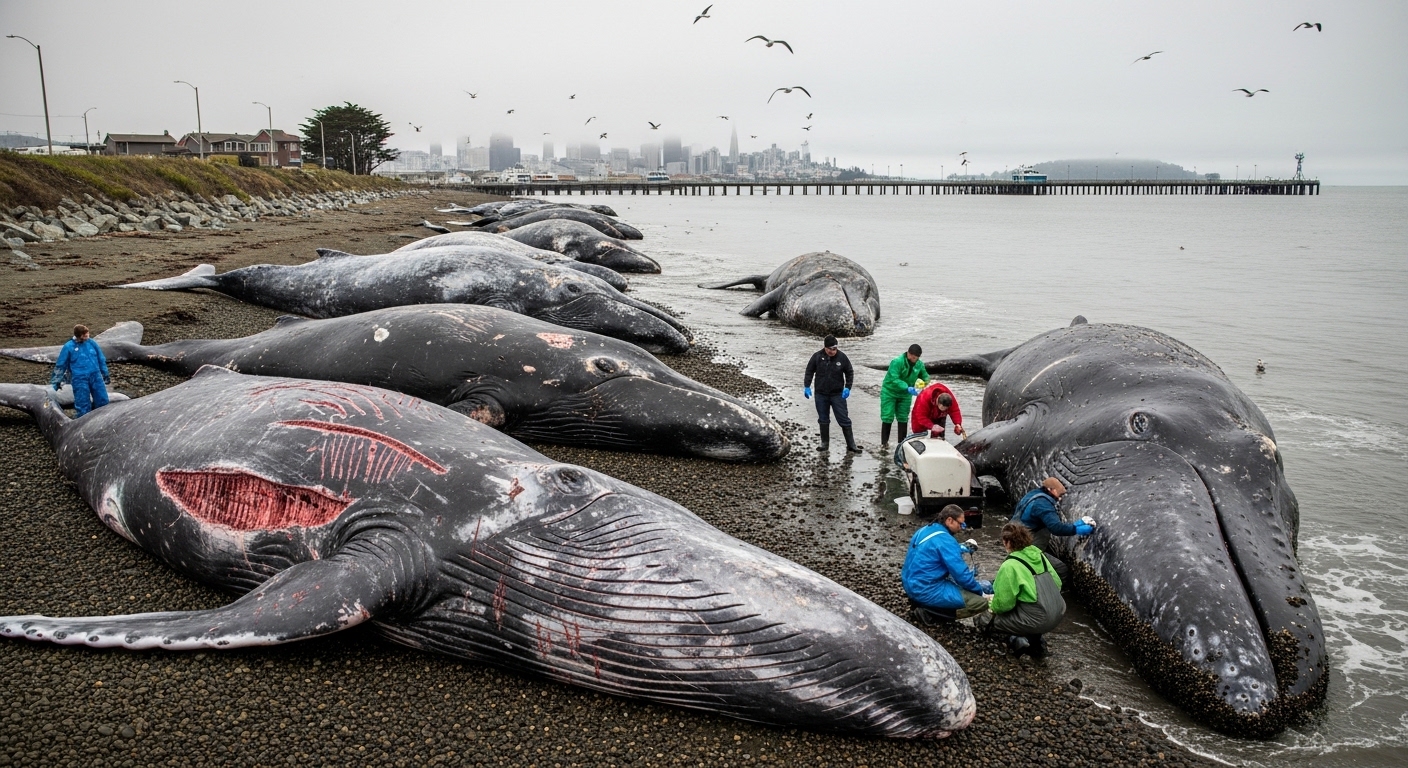
Authorities are now urging immediate attention to shipping practices, stronger monitoring of whale migration routes, and greater public awareness of human impacts on marine life. Conservation groups also emphasize the importance of reporting stranded whales and supporting efforts to reduce greenhouse gas emissions, which affect ocean temperatures and food availability.
The question weighing on the minds of scientists and the public alike is stark: why are so many whales suddenly dying along the Pacific Coast, and what can be done before the toll grows even higher?
As investigations continue, the fate of these gentle giants serves as a warning that the ocean is changing faster than many species can adapt. Protecting gray whales now requires coordinated efforts from governments, scientists, shipping industries, and the public alike.