TOURIST ALLEGEDLY THREW ROCK AT ENDANGERED MONK SEAL — NOW FACES FEDERAL CHARGES
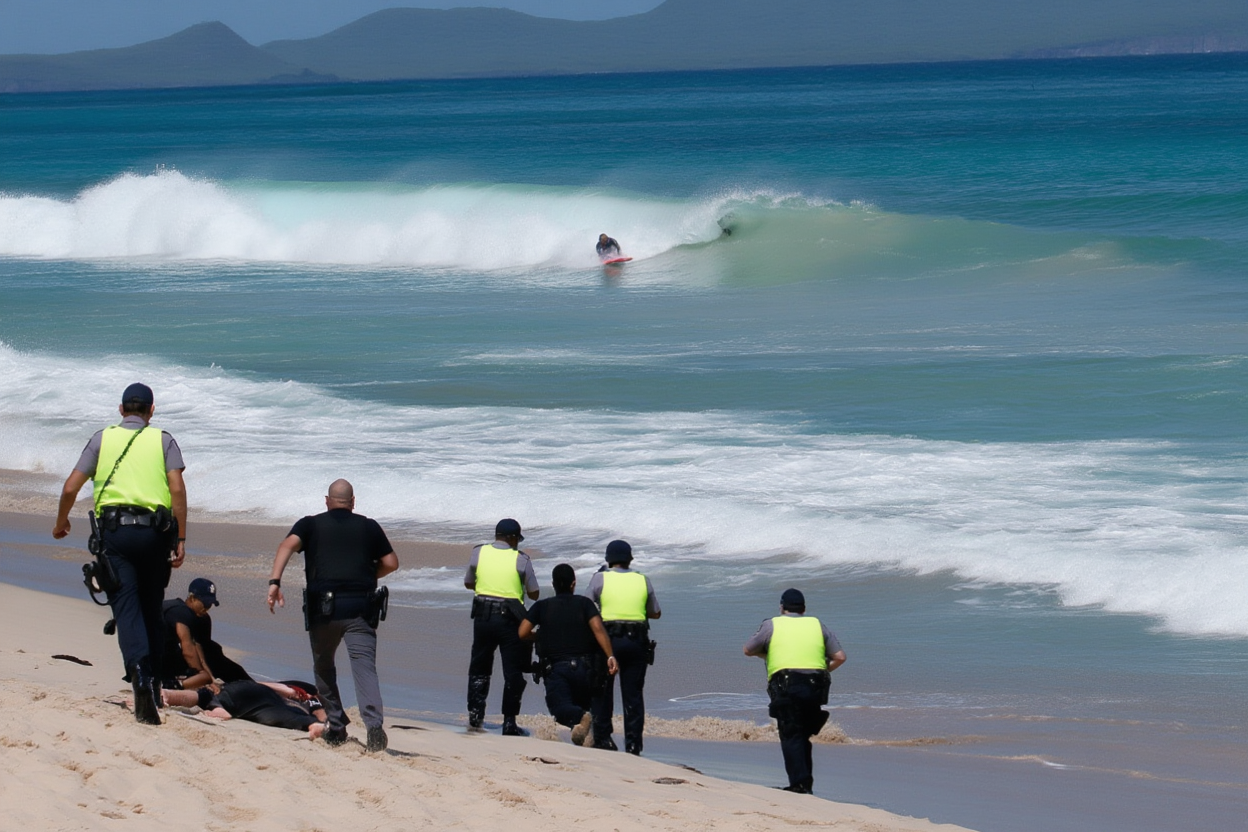
TOURIST ALLEGEDLY THREW ROCK AT ENDANGERED MONK SEAL — NOW FACES FEDERAL CHARGES
A viral incident in Hawaii has taken a serious turn. The tourist accused of throwing a rock at “Lani,” a critically endangered Hawaiian monk seal, has been arrested by federal agents. The case has escalated beyond local outrage to become a major federal wildlife investigation, highlighting the serious consequences of harming protected species.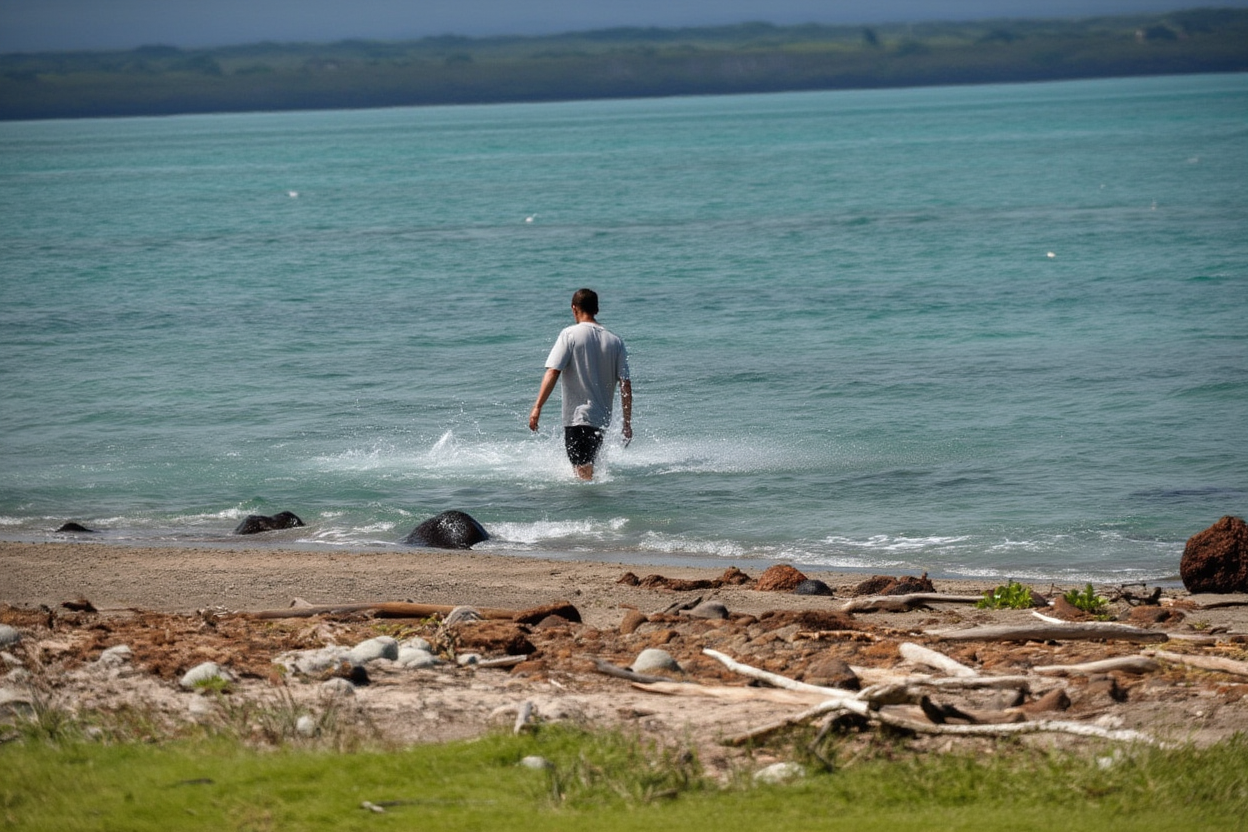
According to witnesses, the suspect laughed after the alleged attack and reportedly said, “I’m rich… fine me.” This remark has sparked widespread outrage online, fueling discussions about privilege, accountability, and the responsibilities of visitors in protected areas.
Federal authorities are reviewing potential violations under both the Endangered Species Act and the Marine Mammal Protection Act, laws that provide strict protections for monk seals and other vulnerable marine species. Legal experts warn that if convicted, the individual could face significant fines and even prison time.
“This case underscores the importance of enforcing wildlife protection laws,” said Dr. Leilani Kanoa, a marine conservationist based in Hawaii. “Even if the animal is not physically harmed, the intent and act itself are taken very seriously under federal law. It’s a reminder that our wildlife deserves respect and legal protection.”
The public reaction has been intense. Many online users have praised the local resident who confronted the tourist, calling him a hero for standing up to protect Lani. Others have debated whether civilian intervention is safe or appropriate, raising questions about how individuals should respond when witnessing wildlife abuse.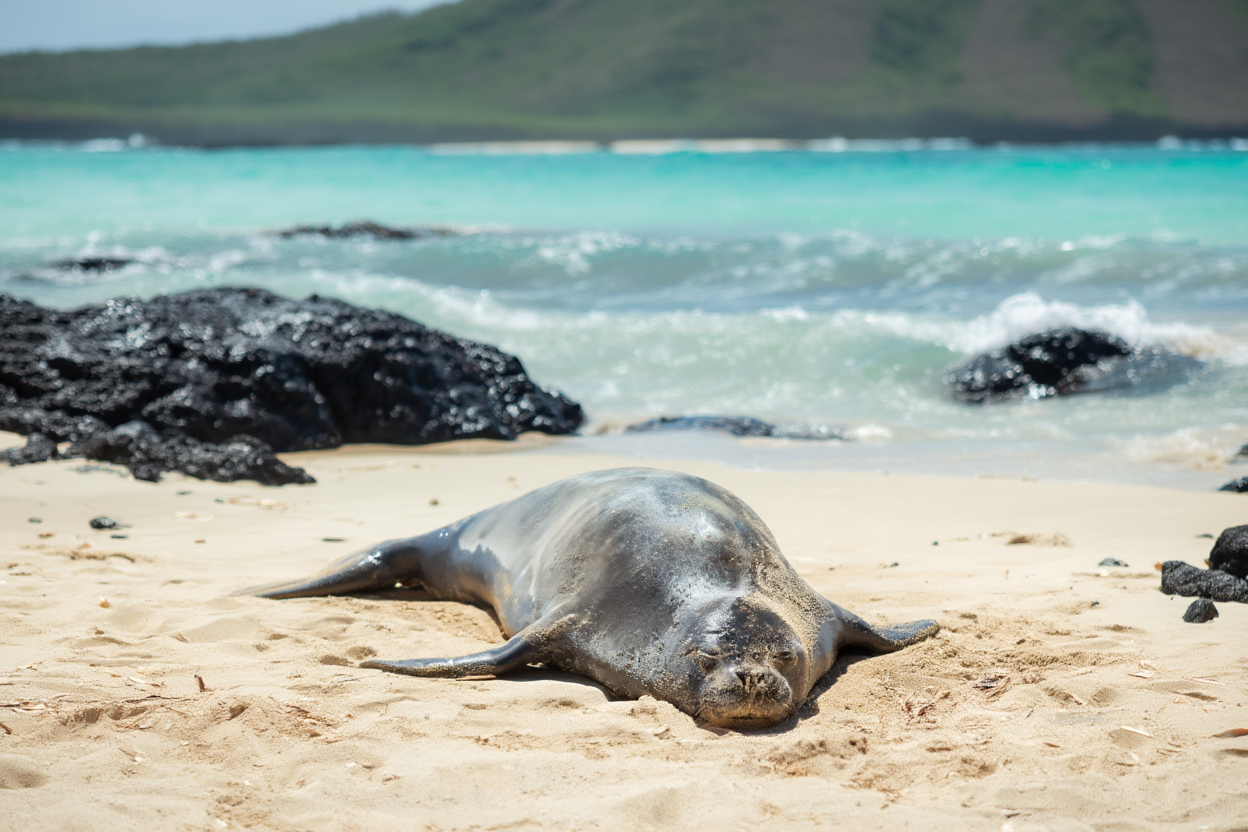
Monk seals are among the rarest marine mammals in the world, with fewer than 1,500 individuals remaining. They face numerous threats, from habitat loss to human disturbances, and every encounter with humans carries potential risks. Conservationists hope that this case will serve as both a deterrent and an educational moment, emphasizing the need for respect and awareness when interacting with wildlife.
As federal investigators continue their review, the case of Lani has captured national attention. Beyond the legal ramifications, it has sparked broader conversations about ethical tourism, wildlife protection, and the role of social media in holding individuals accountable.
The outcome of this investigation may set a precedent for future cases involving endangered species, demonstrating that even a single moment of cruelty can have far-reaching consequences. For many, Lani has become a symbol of resilience and the urgent need to protect our oceans and the creatures that inhabit them.