MONK SEAL “LANI” CASE ESCALATES TO FEDERAL INVESTIGATION
MONK SEAL “LANI” CASE ESCALATES TO FEDERAL INVESTIGATION
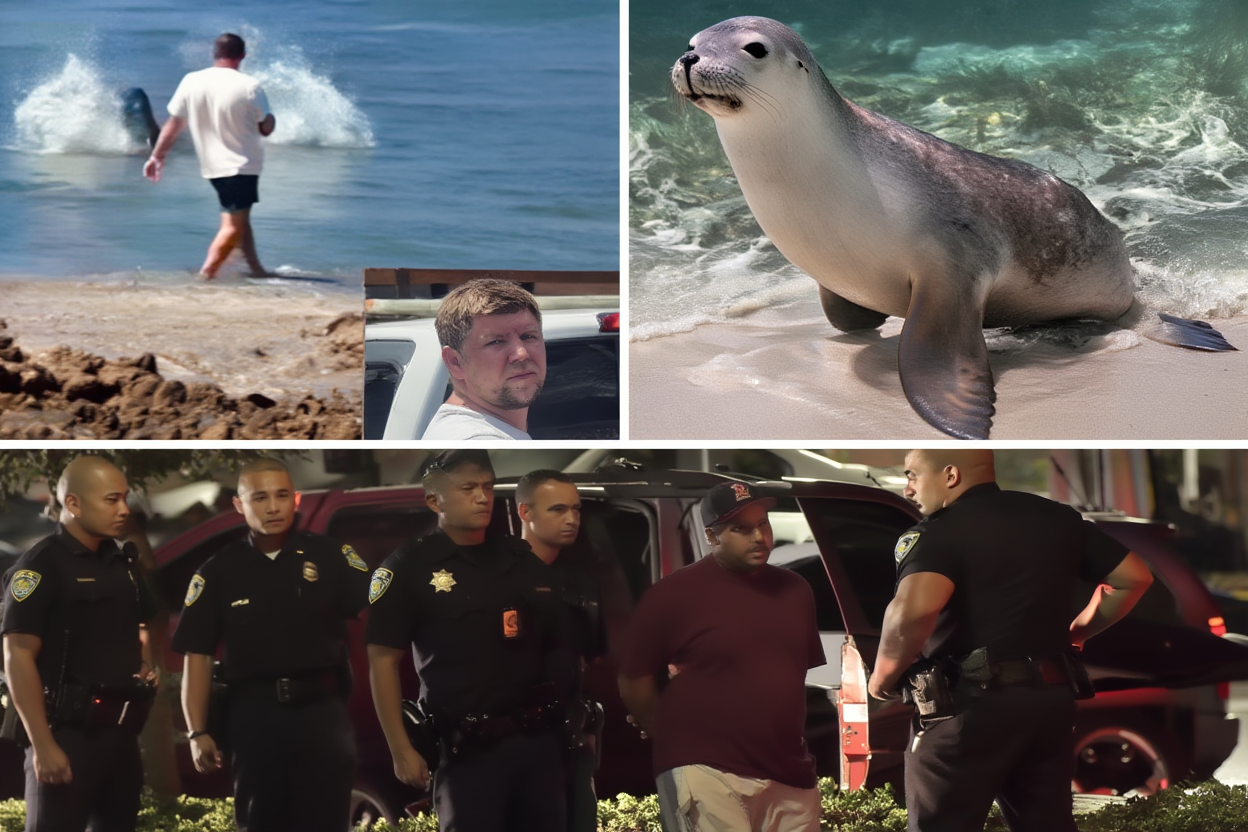
A viral incident in Hawaii has now escalated into a serious federal investigation. The Washington state tourist accused of throwing a rock at “Lani,” a critically endangered Hawaiian monk seal, has been arrested as federal authorities expand their review under U.S. wildlife protection laws.
Officials say the suspect’s actions may have violated both the Endangered Species Act and the Marine Mammal Protection Act. Prosecutors are currently reviewing multiple potential charges, which could result in fines, probation, or even prison time. Witnesses claim the suspect made a chilling remark during the incident, stating, “I’m rich. Just fine me,” an attitude that has sparked outrage and debate nationwide.
Despite the incident, authorities confirmed that “Lani” has been seen alive and is safe. Conservationists emphasize that the seal’s survival is a relief, but the case highlights broader concerns about human interactions with endangered wildlife.
“This is not just about one tourist or one seal,” said Dr. Leilani Kanoa, a marine biologist based in Hawaii. “It is about ensuring that the laws we have to protect endangered species are taken seriously, and that people understand that these animals are not disposable or a source of amusement.”
Public reaction has been intense. Social media users have praised the local residents who confronted the tourist, while others have debated the limits of civilian intervention. Many are asking larger questions about wildlife protection, particularly how many incidents go unreported when no one is filming.
Hawaiian monk seals are among the rarest marine mammals in the world, with fewer than 1,500 individuals remaining. They face multiple threats, including habitat loss, entanglement in fishing gear, and human disturbance. Experts warn that even minor harassment can have serious consequences for their survival.
The case of Lani serves as a stark reminder of the importance of vigilance, education, and legal enforcement in protecting endangered species. Federal investigators continue to review the evidence, and the outcome of this case may set an important precedent for how wildlife crimes are handled in the future.
As the story continues to unfold, the incident has sparked national conversations about ethical tourism, wildlife stewardship, and the responsibilities humans have toward vulnerable species. Beyond the immediate legal consequences, Lani’s story underscores the need for stronger awareness and protection measures to ensure that endangered wildlife can thrive without fear of harm.