HAWAII MONK SEAL CASE ESCALATES: NEW FOOTAGE COULD DETERMINE FUTURE OF WILDLIFE PROTECTION
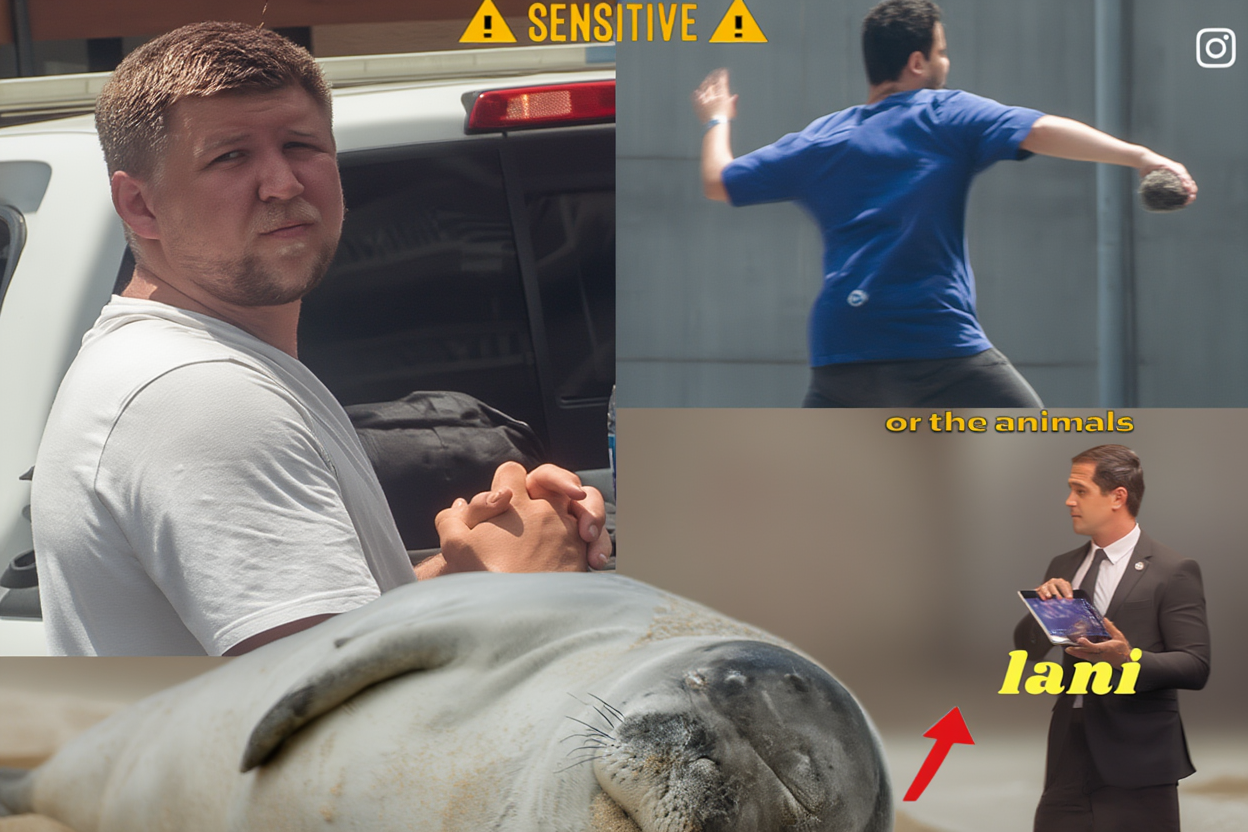
HAWAII MONK SEAL CASE ESCALATES: NEW FOOTAGE COULD DETERMINE FUTURE OF WILDLIFE PROTECTION
Maui, Hawaii – May 18, 2026 — What began as a shocking viral video of a man allegedly throwing a rock at an endangered Hawaiian monk seal has now grown into a case with potentially nationwide implications. According to reports circulating online, federal investigators are reviewing whether additional witnesses and cellphone videos from the incident have yet to be made public.
At the heart of the controversy is a single, critical question: Did the rock actually hit the seal, or did it narrowly miss? The answer could dramatically influence how aggressively prosecutors pursue criminal charges and whether jail time is imposed. Legal experts say that demonstrating direct harm could lead to one of the harshest wildlife-crime sentences in recent Hawaiian history.
A Viral Incident That Captured the Nation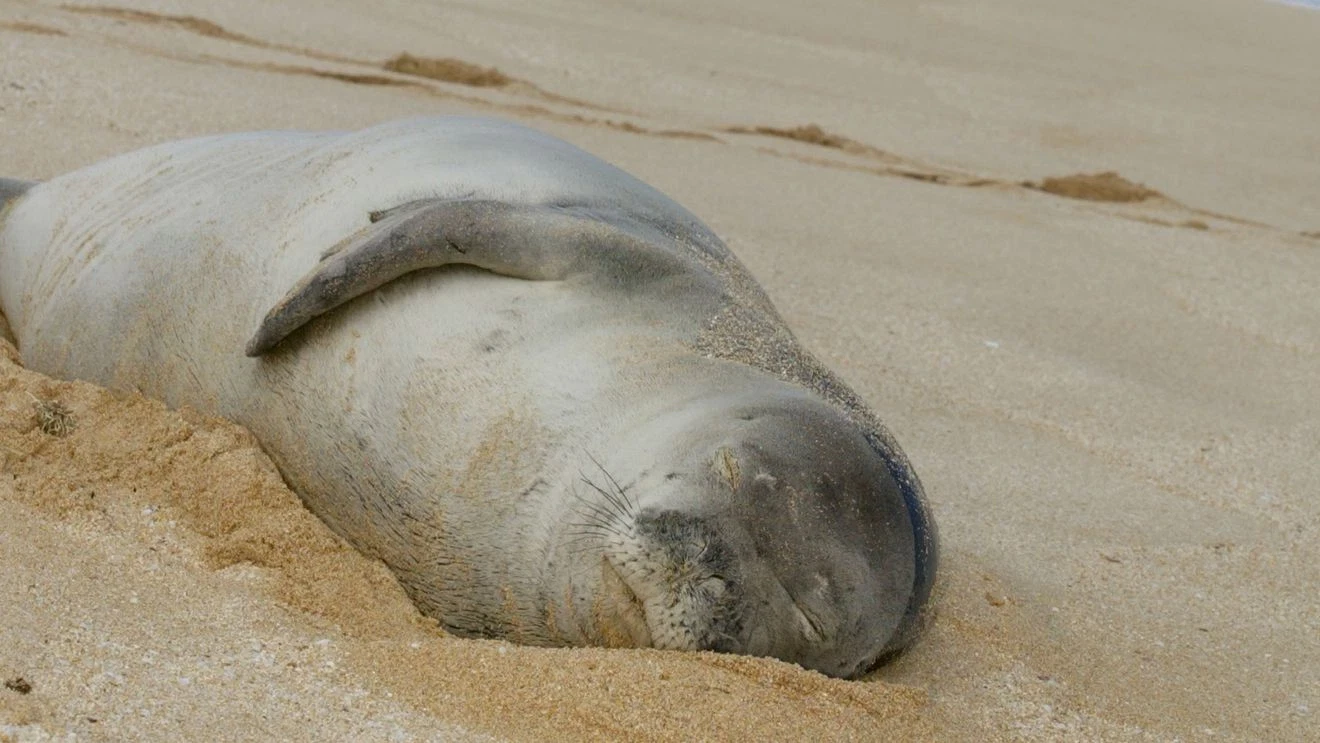
The incident took place on a sunny Maui beach earlier this year, where the endangered Hawaiian monk seal — a species numbering only about 1,600 individuals — was resting peacefully. A viral video captured a man allegedly hurling a rock in the direction of the seal, igniting immediate outrage online. The footage, which spread rapidly on social media, sparked thousands of comments, shares, and calls for justice from around the world.
Witnesses say the situation escalated further when locals tried to intervene. Some accounts suggest that the man showed little remorse, continuing his actions even as bystanders shouted for him to stop. Such behavior is now reportedly being factored into prosecutors’ review as potential evidence of “reckless disregard” for a protected species.
New Evidence Could Change Everything
Reports now suggest that investigators are actively seeking out additional videos and witness accounts that may not have been shared publicly. If more footage exists, it could answer the critical question of whether the endangered seal was struck or narrowly avoided injury. Legal analysts emphasize that this detail may determine the intensity of the charges and sentencing recommendations.
“Even a narrow miss could be considered reckless behavior under federal wildlife protection statutes,” says Dr. Keoni Matsuda, a marine law specialist in Hawaii. “But if there’s evidence the seal was actually hit, it could significantly increase the severity of penalties, including potential jail time.”
A Broader Fight for Hawaiian Wildlife
Many Hawaiians now say the case is about more than a single seal. Conservationists and concerned citizens argue that this is a moment to set a precedent: to demonstrate that attacks on endangered wildlife will not go unpunished. Federal wildlife officials have noted that monk seals have historically faced threats from human interference — but prosecutions have been rare.
“The stakes are enormous,” says Leilani Kalama, a representative from the Hawaiian Marine Conservation Alliance. “This case could finally send a clear message that endangered species in Hawaii are protected in practice, not just on paper. It’s about accountability and the future of our wildlife.”
Social Media Outrage and National Attention
The viral nature of the footage has amplified public scrutiny. Hashtags and online campaigns demanding justice for the seal have drawn attention from national media outlets. Some commentators have labeled the case a turning point for Hawaiian wildlife law enforcement, noting that public pressure may influence prosecutors’ decisions.
“This is a situation where public awareness and legal action intersect,” says attorney Michael Kaimikaua, who follows wildlife crime cases in Hawaii. “Social media can shine a light on environmental violations, but ultimately it’s up to the courts to determine the consequences.”
Potential Legal Consequences
Under federal law, anyone found guilty of harming an endangered species like the Hawaiian monk seal faces up to one year in prison and fines that can reach $70,000. Prosecutors are also reportedly considering whether additional charges, such as harassment or reckless endangerment, may apply. The discovery of new evidence — particularly videos showing intent or impact — could heavily influence sentencing.
What’s Next
Authorities have indicated that the case is ongoing, and that additional witness interviews and footage reviews could take weeks. Conservation groups remain vigilant, emphasizing the importance of ensuring that the case serves as a model for future wildlife protection efforts.
For now, the world watches as the investigation unfolds. What started as a viral beach confrontation may soon become a landmark moment in Hawaiian wildlife law — a test of whether endangered species will finally receive the protections they desperately need.