THE DECISION ABOUT TIMMY IS SPARKING GLOBAL OUTRAGE AND DEBATE
THE DECISION ABOUT TIMMY IS SPARKING GLOBAL OUTRAGE AND DEBATE
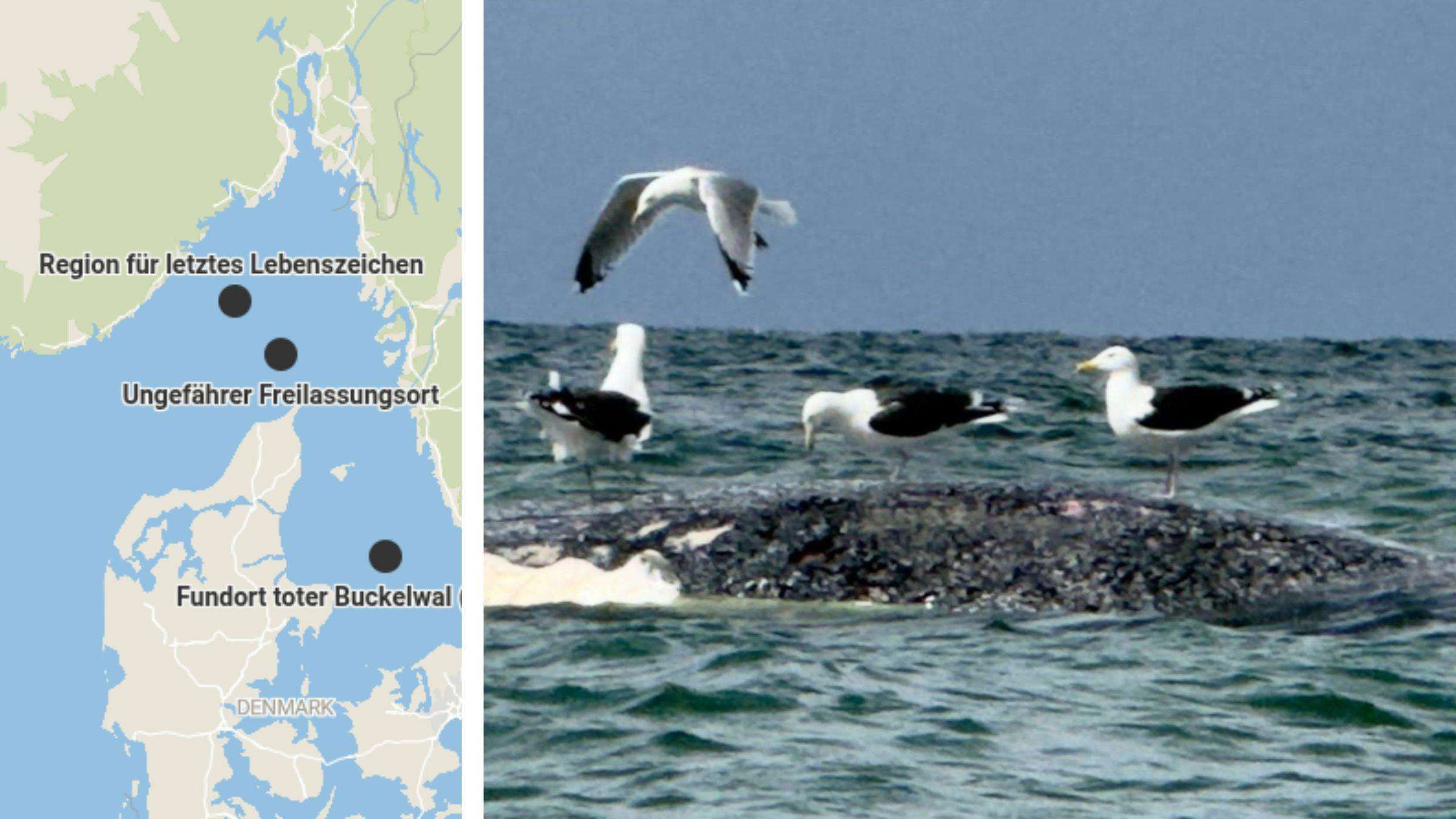
A stranded humpback whale remains in the North Sea after authorities confirmed it will NOT be recovered for now, leaving Timmy to decompose naturally in the ocean.
But the story shifted dramatically when a critical detail emerged: Timmy was likely female. Suddenly, the internet exploded.
Two Sides, One Whale
FURIOUS CRITICS SAY:
“Too slow. Wrong decision. Missed chance to save her.”
SUPPORTERS ARGUE:
“Nature was already in control. Intervening would have changed nothing.”
The case has split the world into two hard camps:
SAVE IT FASTER vs LET NATURE DECIDE
The Hidden Threats
Experts remind us that whale strandings are rarely random accidents. Many involve invisible human-made dangers:
- Ghost nets drifting silently, entangling whales and other marine life.
- Ship collisions along busy shipping routes, often fatal before rescue is possible.
- Pollution and underwater noise, disrupting communication, navigation, and feeding.
This isn’t just about Timmy. It’s a warning: our oceans are delicate, and human actions — or inactions — ripple through the marine ecosystem.
The Question That Cuts Deep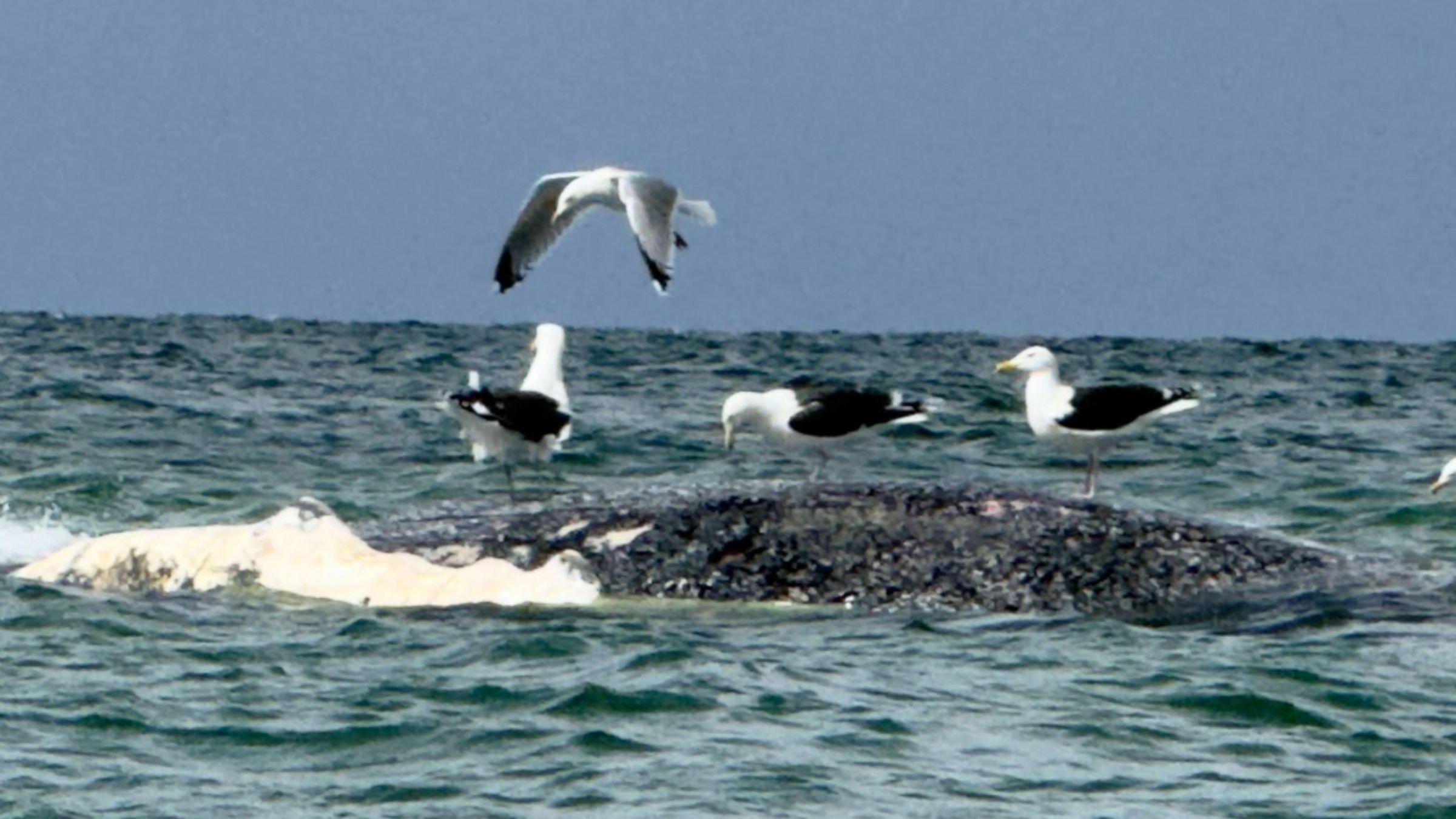
At the heart of the debate is a brutal question:
Did we witness a natural death… or a preventable failure?
This case forces reflection on timing, responsibility, and what humans consider “intervention.” It challenges us to ask:
How fast do we respond to marine emergencies?
How much responsibility do we hold for the ocean and its creatures?
What dangers lurk unseen, shaping life beneath the waves?
Timmy’s Legacy
Even in death, Timmy plays a role: feeding marine life and supporting the natural cycle. But her story is more than ecological — it’s a mirror showing how humans interact with nature, and a reminder that our choices carry consequences we cannot always undo.
Timmy’s case is more than a stranded whale. It’s a global debate, a warning, and a lesson about responsibility, timing, and the fragile life of the ocean.