TIMMY — THE SEARCH, THE LOSS, AND THE DEBATE IN THE NORTH SEA
TIMMY — THE SEARCH, THE LOSS, AND THE DEBATE IN THE NORTH SEA
Copenhagen, Denmark — A story of heartbreak is spreading across the global marine conservation community: the humpback whale named Timmy has washed ashore and died in the North Sea. The decision by the Danish Environment Agency to leave Timmy’s body to decompose naturally has sparked heated debate among experts and the public alike.
Nature’s Choice
Marine biologists emphasize that allowing a whale carcass to naturally decompose is not only a return to the sea but also provides invaluable nutrients for marine life — from fish and seabirds to microscopic organisms. A single whale carcass can sustain an entire ecosystem for years.
“This is how nature operates. Human intervention, whether too early or too late, doesn’t always yield the best outcome,” said Dr. Niels Andersen, a marine ecologist at the University of Copenhagen.
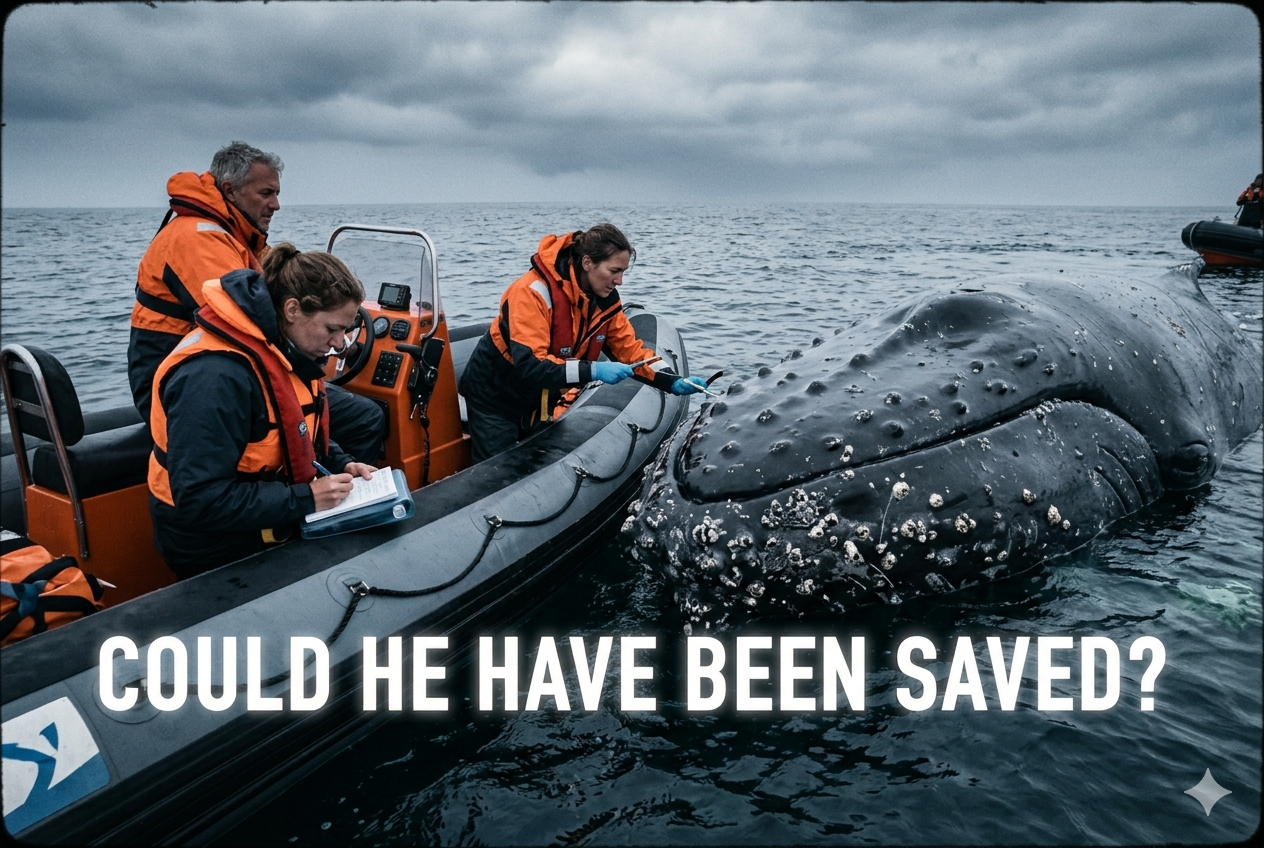
Could Timmy Have Been Saved?
Conservationists and online followers are asking: Could earlier action have saved Timmy? During her last sightings, Timmy was spotted in unfamiliar waters and may have suffered from entanglement, starvation, illness, or ship collisions. By the time rescue teams could intervene, it was unfortunately too late.
“We did not have clear indications of the immediate cause of death,” explained a spokesperson from the Danish Environment Agency. “We will continue monitoring the area for environmental clues, but retrieving the carcass was neither feasible nor ecologically necessary.”
Global Community Reacts
News of Timmy’s death struck an even deeper chord when it was revealed that the whale was likely female. Social media erupted with tributes under hashtags like #Timmy and #SaveTheWhales, as followers shared memories from previous sightings.
One Twitter user wrote:
“This loss isn’t just about Timmy—it’s a reminder that our oceans need protection. Every creature matters.”
Lessons for the Future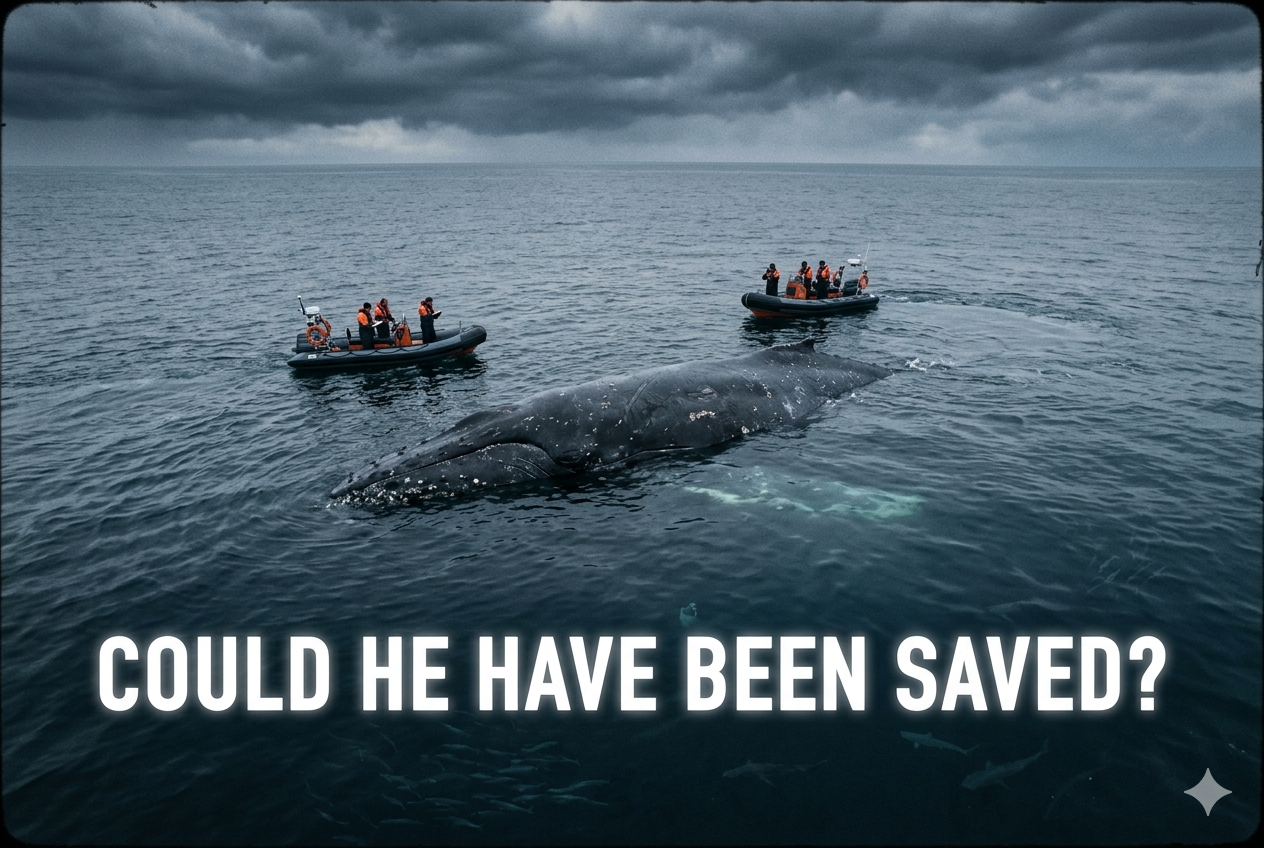
Timmy’s story raises crucial questions about human responsibility in marine conservation. Experts recommend:
- Enhancing early-warning systems for large marine animals near coastlines.
- Deploying well-equipped rescue teams capable of timely intervention.
- Investigating causes of injury or death, including fishing nets, ship traffic, and environmental changes.
While Timmy is gone, the story remains a powerful reminder that nature is both beautiful and unforgiving. For many, her passing symbolizes the fragile balance between humans and the ocean.