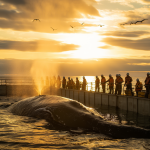
TIMMY WAS LEFT TO DIE — AND THE WORLD IS ASKING WHY
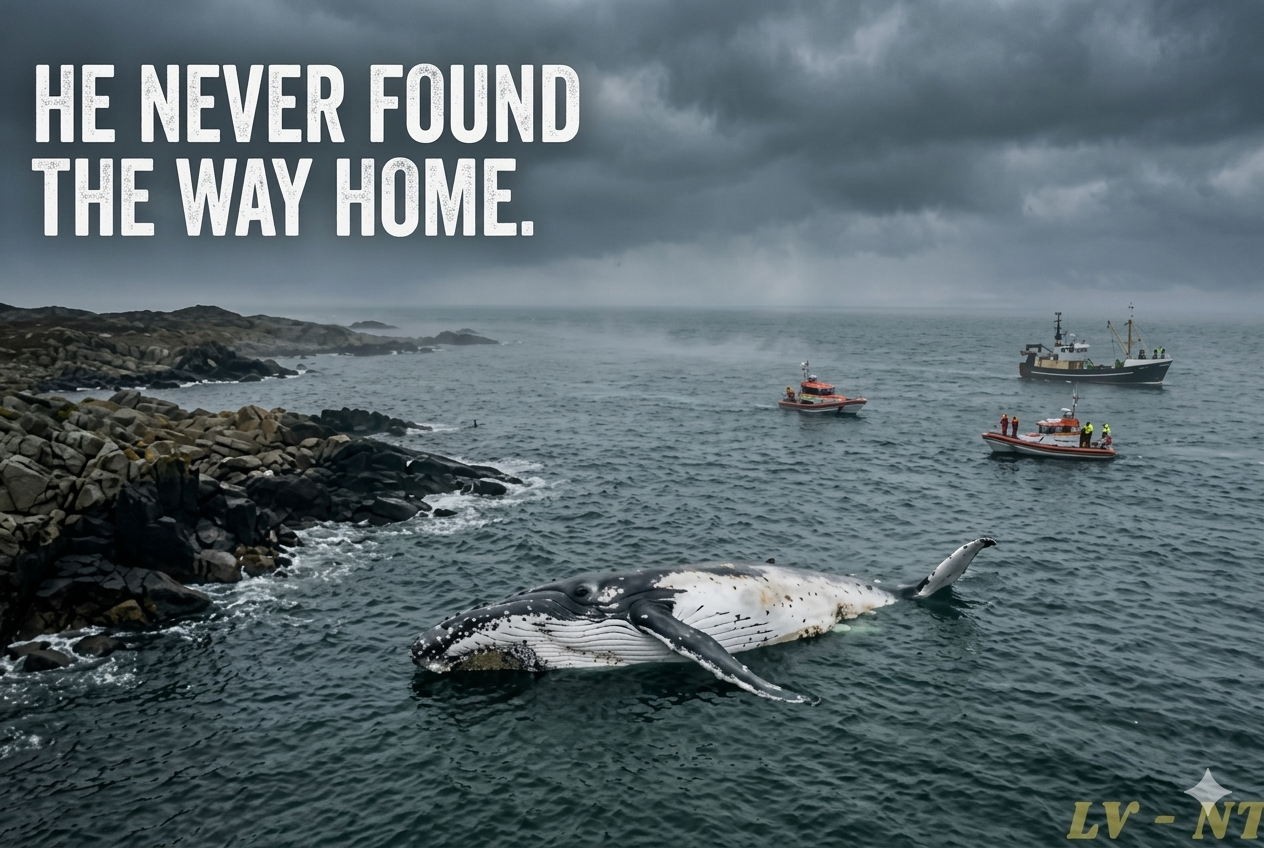
TIMMY WAS LEFT TO DIE — AND THE WORLD IS ASKING WHY
Copenhagen, Denmark — The story of a humpback whale named Timmy has sparked a global debate about human responsibility in our oceans. Authorities confirmed that Timmy’s body will not be recovered from the North Sea, leaving her to naturally decompose. But what makes this tragedy even more heart-wrenching is one key detail: Timmy was likely female.
A Whale Lost, A Conversation Started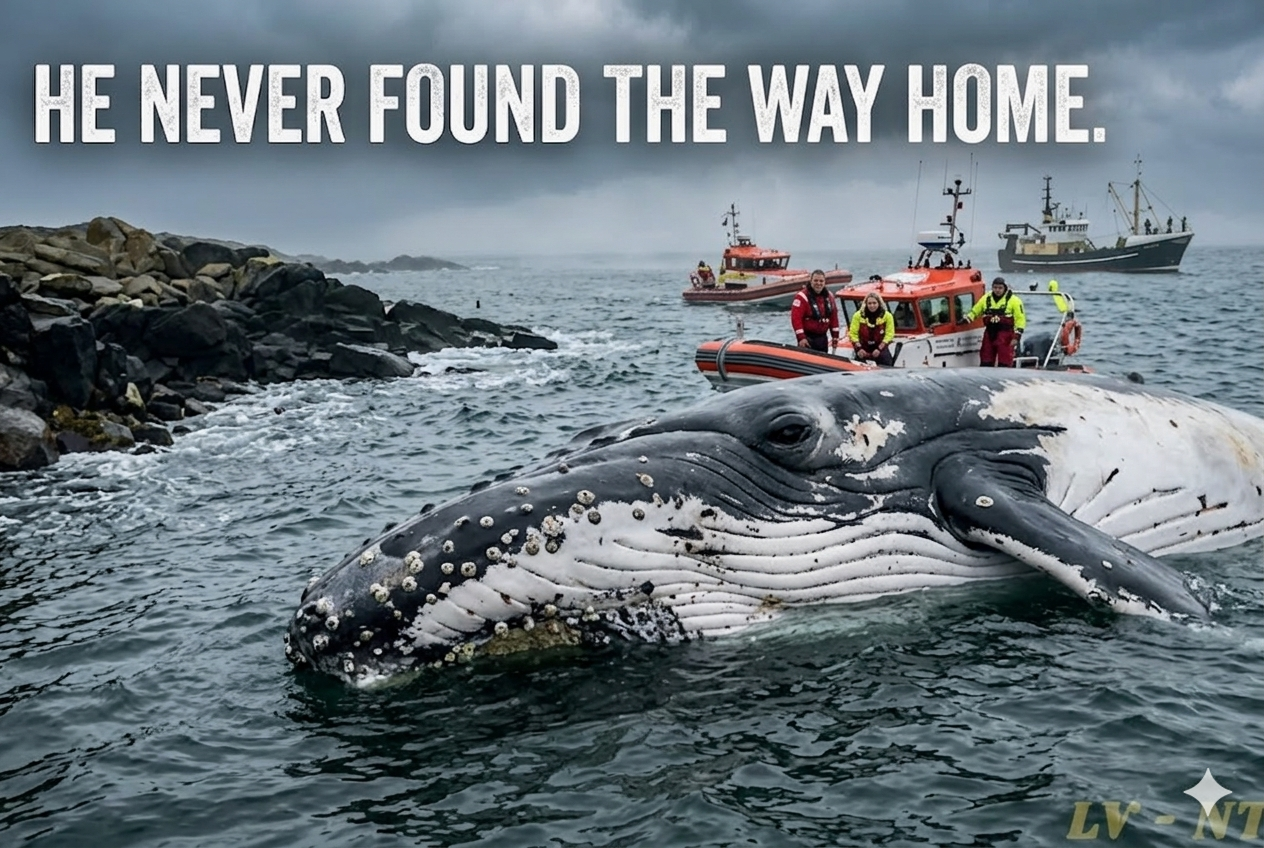
The decision not to recover Timmy has divided experts, conservationists, and ocean lovers worldwide. Some argue that leaving her body in the sea is a natural process that benefits marine ecosystems. As her carcass decomposes, it will feed fish, seabirds, and countless microorganisms, sustaining life for years to come.
Yet others are outraged, asking whether intervention could have saved her. Was help too late? Could she have been rescued if the response had been faster? Or are whales increasingly falling victim to hidden threats like ghost nets, ship collisions, and environmental stressors—dangers often invisible until it’s too late?
The Hidden Dangers Lurking in the Deep
Experts warn that human activities continue to silently impact marine life. Ghost nets—abandoned or lost fishing nets drifting in the ocean—can entangle whales and other large animals, causing injury, starvation, or death. Ship strikes remain a leading cause of whale mortality worldwide. And climate change is altering prey availability, forcing whales into unfamiliar or more dangerous waters.
Timmy’s death has become a symbol of these unseen threats, raising awareness about the urgent need to protect the oceans.
Global Reaction
News of Timmy’s passing spread quickly across social media. Many followers expressed grief upon learning she was likely female, deepening the sense of loss. Online communities are now discussing not only her story but also broader issues: how humans interact with marine life, and what can be done to prevent similar tragedies.
“Timmy’s story isn’t just about one whale. It’s a wake-up call. Every creature matters, and every action counts,” wrote one Twitter user.
Lessons for the Future
Timmy’s story highlights critical questions for marine conservation:
- Monitoring: Early detection systems for whales and other large marine animals near coasts could help prevent future losses.
- Rescue readiness: Specialized teams equipped for quick intervention could make the difference between life and death.
- Research and prevention: Understanding the causes of whale mortality, including human-made hazards, is key to protecting populations.
While Timmy will not return, her story continues to resonate globally. Her death is a reminder that the oceans are fragile, our impact is real, and that even a single whale can awaken the world to the urgent need for conservation.