The Whale Who Stopped the World: Timmy’s Final Journey
The Whale Who Stopped the World: Timmy’s Final Journey
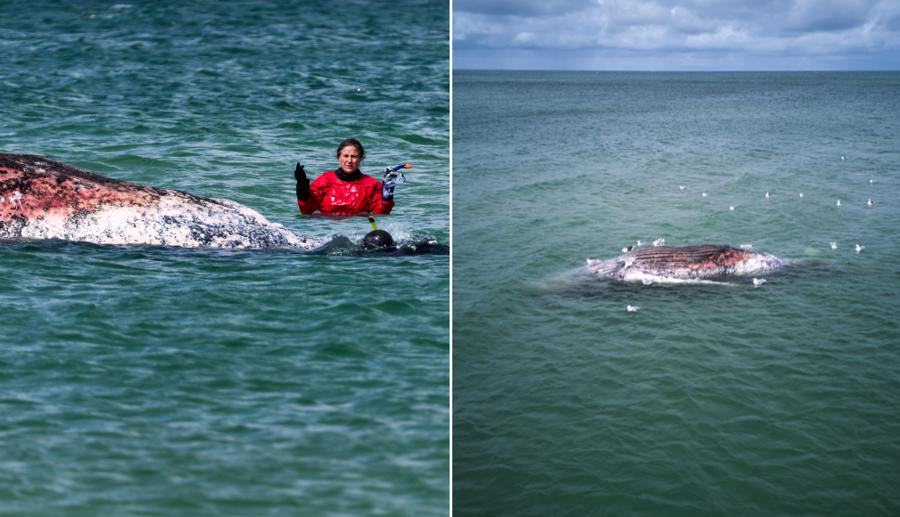
Imagine a whale, far from home, lost in cold, unfamiliar waters, struggling to survive—and the world stops to watch. This was Timmy, the humpback whale who stranded on the northern coast of Germany in the Baltic Sea. For weeks, Timmy became an unexpected global celebrity, capturing hearts and inspiring millions to care about one animal in a way rarely seen before.
But Timmy didn’t survive. And yet, the story isn’t about his death—it’s about the extraordinary human response, the sparks of empathy, and the urgent wake-up call for our oceans.
A Struggle That Wasn’t Measured in Days, But in Humanity
When Timmy appeared near the shallow shores of Germany, opinions were divided. Some argued to let nature take its course; they said death was inevitable. Others rallied, motivated by compassion, curiosity, or a desire to act. But Captain Paul Watson, a pioneering marine conservationist, reflected on what truly mattered:
“Was it a wasted effort to rescue one whale? I don’t think so. It was a moment for people to care and to get involved.”
The rescue effort, though heroic, was fraught with challenges. Weeks of inaction and government bureaucracy slowed critical decisions. The whale endured immense physical stress and trauma from repeated rescue attempts. Experts speculate that Timmy may have been suffering from illness, or even a digestive system clogged with plastic debris—though no autopsy was conducted to confirm the cause.
Why Timmy’s Story Captivated the World
Timmy’s plight was broadcast globally. Videos of him swimming in shallow waters, struggling to navigate unfamiliar terrain, circulated on social media. News outlets from Europe to the Americas covered his journey. Millions followed every update, feeling a rare connection to an animal that was, for a moment, everyone’s responsibility.
Even in failure, the rescue had impact: Timmy did not die on the muddy shore, exposed and helpless. He died free, in the sea, knowing that humans cared enough to try. And that caring mattered.
“People cared, and some cared enough to get involved, to try and physically do something to save Timmy,” Watson said.
A Single Whale, A Global Awakening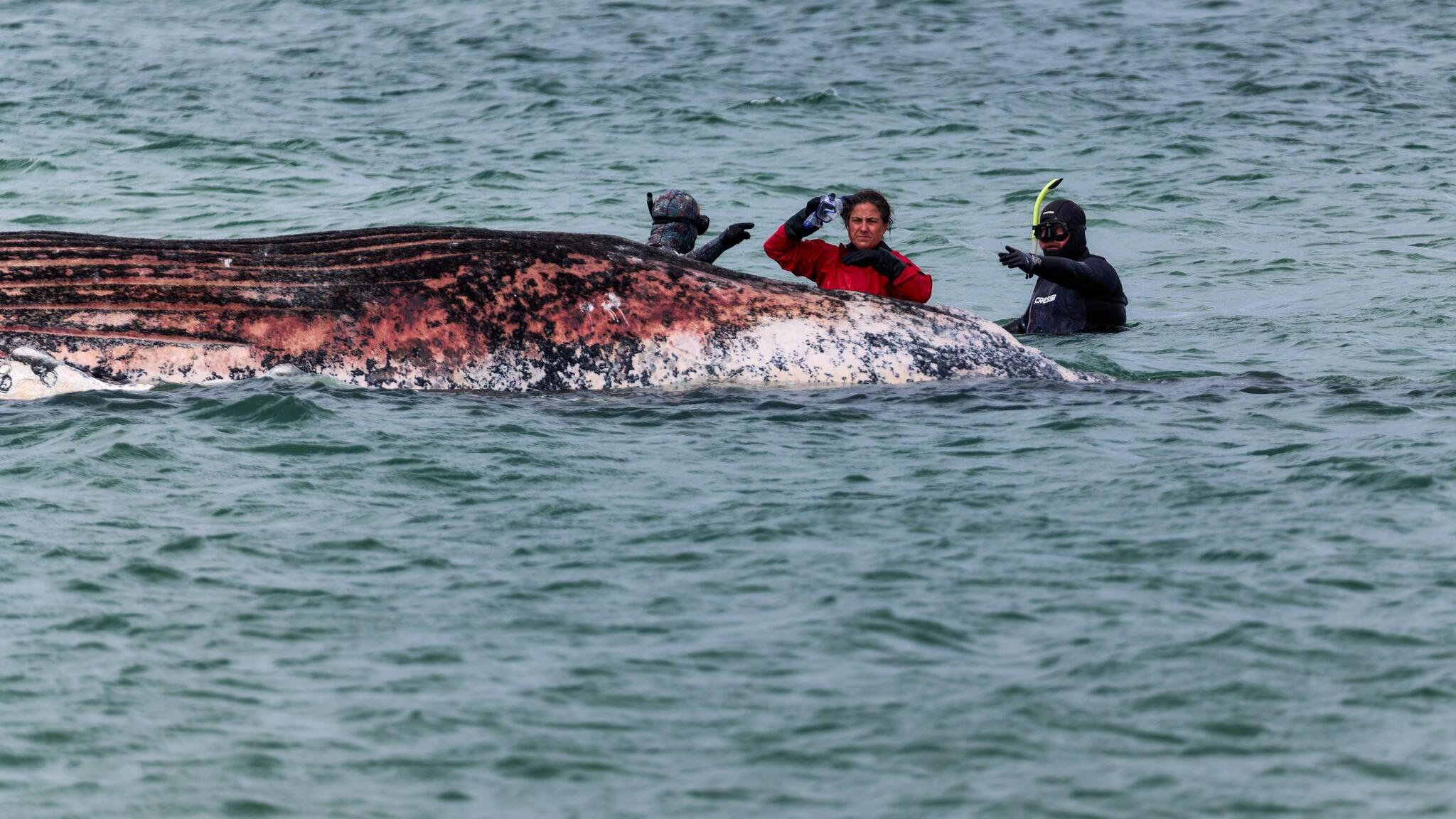
What does it mean to care for one whale? The hope is that Timmy’s story translates into broader awareness of marine life. Thousands of whales die every year in fishing nets or suffer from plastic pollution and environmental degradation. Timmy became a symbol not just of hope and compassion, but also of urgency—reminding humanity that even small acts of intervention matter.
From the cold shores of northern Germany to social media feeds worldwide, Timmy’s story sparked conversation, action, and reflection. He reminded millions that humans can make a difference, even if the outcome isn’t perfect.
Timmy’s Legacy: Compassion in Action
Timmy is gone, but his impact remains. He became a mirror reflecting humanity’s capacity to care. From the grassroots volunteers who attempted to save him to millions of spectators who followed his struggle, his story has left an indelible mark: that empathy is powerful, and that one life can inspire millions.
“What did caring for this one whale mean? Hopefully, it will translate into thinking about and being concerned for all whales, including the thousands that die in fishing nets every year,” Watson said.
Timmy may have swum his last, but he will continue to ripple through hearts and oceans alike—a poignant reminder that compassion is contagious, and that caring can, in itself, be a victory.