WARNING: A Dead Humpback Whale Could “EXPLODE” at Any Moment…
WARNING: A Dead Humpback Whale Could “EXPLODE” at Any Moment…
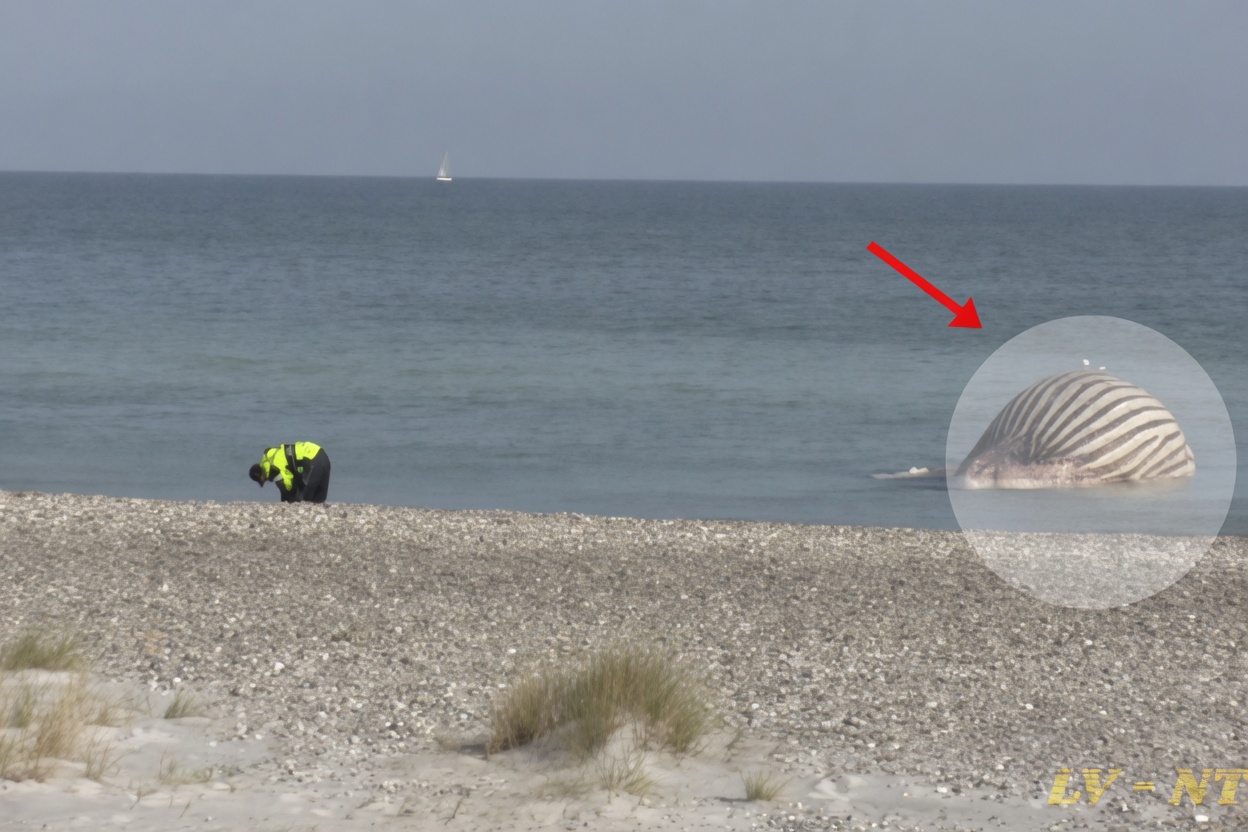
The waters near the coast have turned unusually tense as Timmy, a massive humpback whale, lies dead and drifting—now a ticking ecological time bomb. Experts warn that dangerous gases are rapidly building up inside the whale’s body, and rising ocean temperatures are making the risk of an explosion more imminent than ever.
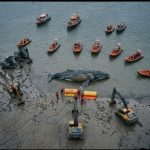
A previous rescue attempt has already failed. Witnesses and specialists say approaching the enormous carcass is extremely hazardous, and without immediate action, the situation could escalate—ranging from overwhelming stench to potential bursts strong enough to threaten boats and coastal residents.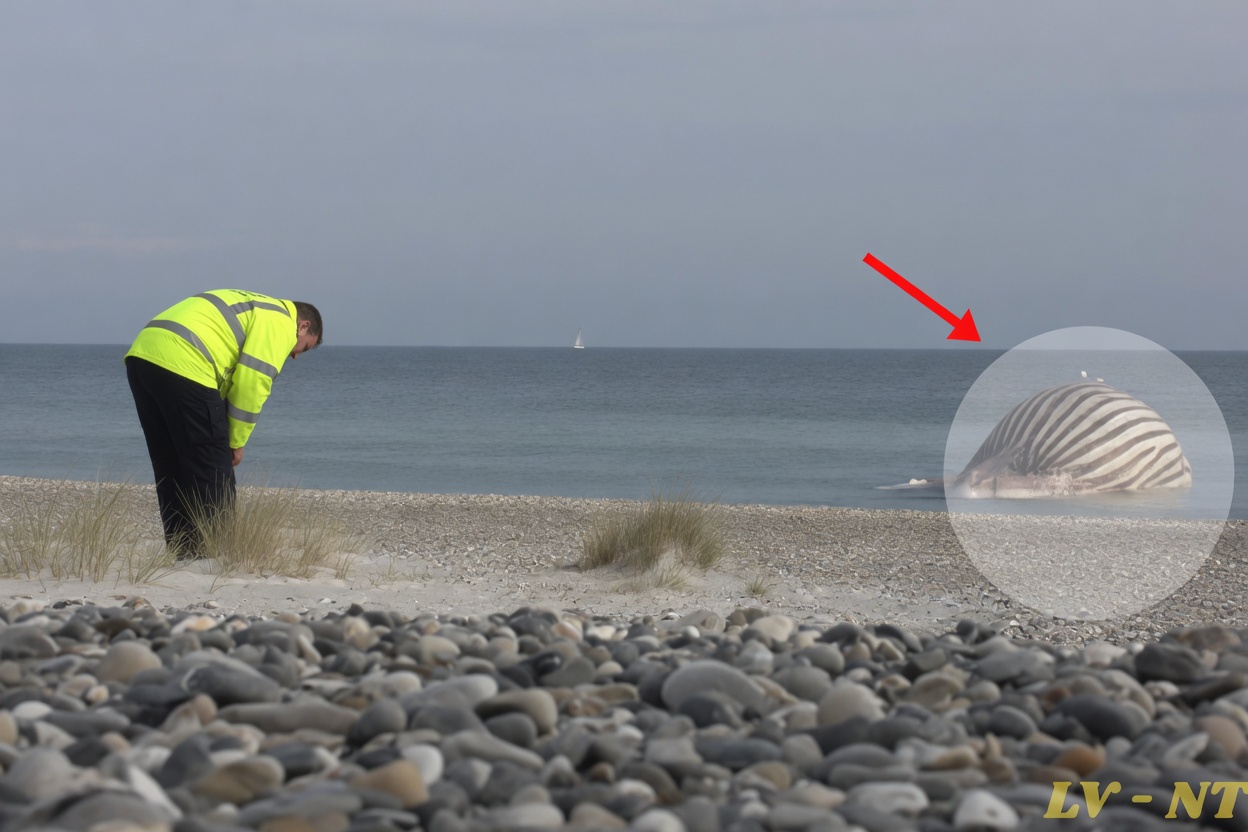
Why are incidents like this happening more frequently?
Scientists point to multiple contributing factors:
- Climate change and rising ocean temperatures
As seas warm, deceased marine animals decompose faster, producing methane and hydrogen sulfide inside their bodies. This gas buildup isn’t just a smell hazard—it’s a natural “bio-bomb” waiting to detonate. - Ecosystem imbalance
More whales and other marine species are dying due to overfishing, pollution, and entanglement in nets. Many carcasses are left unmanaged, creating dangerous situations along coastlines. - Lack of infrastructure for handling marine carcasses
Not all regions have the equipment or expertise to safely remove or process whale bodies. With rising temperatures accelerating decomposition, the risk of accidents grows exponentially.
Lessons from Timmy
This isn’t just a shocking viral “exploding whale” story—it’s a wake-up call about how humans manage marine ecosystems. Experts warn that if current practices continue, events like Timmy may become the norm rather than the exception.
What should the public do?
- Avoid approaching decomposing whale carcasses.
- Immediately report sightings of large dead marine animals near the shore.
- Follow official guidance regarding health and environmental risks.
The bigger question:
Are climate change and human interference turning rare maritime accidents into a recurring, escalating threat?