END OF STORY? “TIMMY” – DEAD HUMPBACK WHALE SWELLING ON SHORE, RISK OF EXPLOSION
END OF STORY? “TIMMY” – DEAD HUMPBACK WHALE SWELLING ON SHORE, RISK OF EXPLOSION
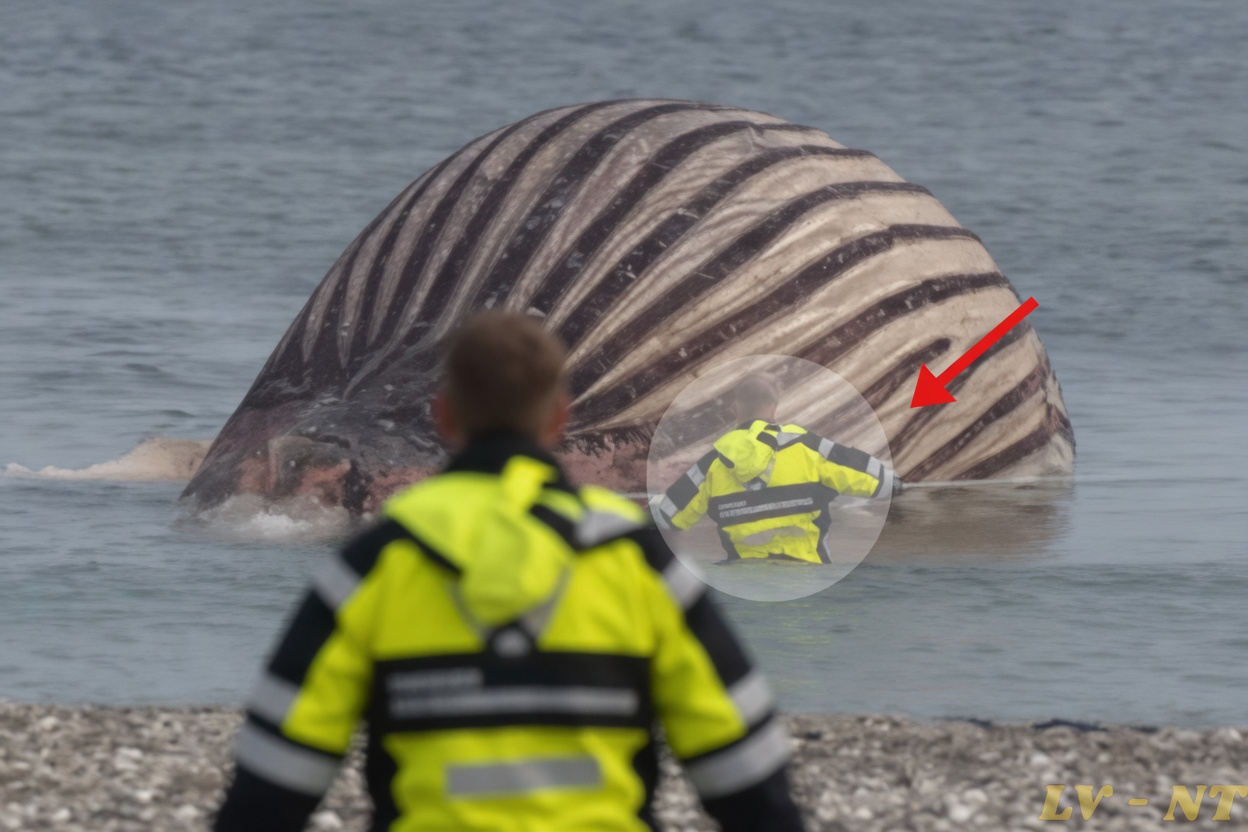
A dead humpback whale named Timmy has washed ashore, and authorities warn that the massive carcass is rapidly swelling due to gas buildup from decomposition. Experts say that internal pressure could cause a sudden rupture, creating a potentially dangerous situation for anyone nearby.
The whale’s thick blubber is trapping gases, and rising coastal temperatures are accelerating decomposition hour by hour. The situation has prompted intense concern from scientists, emergency responders, and local authorities.
Previous Recovery Attempt Failed
A prior effort to remove Timmy was abandoned due to safety concerns, as approaching the whale posed extreme risk. Now, authorities are preparing a new emergency operation, working against the clock to prevent a possible explosion or hazardous gas release.
Why This Is Happening
Experts say this is not just an isolated incident — it reflects broader changes affecting marine life globally:
- Climate Change: Warming oceans accelerate decomposition, producing gases like methane and hydrogen sulfide faster than ever.
- Human Activity: Ship strikes, entanglement in fishing gear, and pollution are killing more whales, leaving many carcasses unmanaged.
- Ecosystem Imbalance: Large marine mammal recovery is inherently complex; decomposing giants can become hazardous not just to humans but to local ecosystems.
Why Timmy Matters
This isn’t simply a shocking coastal event — it’s a wake-up call about the fragility of our oceans. Scientists warn that as climate change and human impact intensify, incidents like Timmy’s may become increasingly common. The whale’s swelling body is a stark visual reminder of how human activity and environmental pressures intersect in dangerous ways.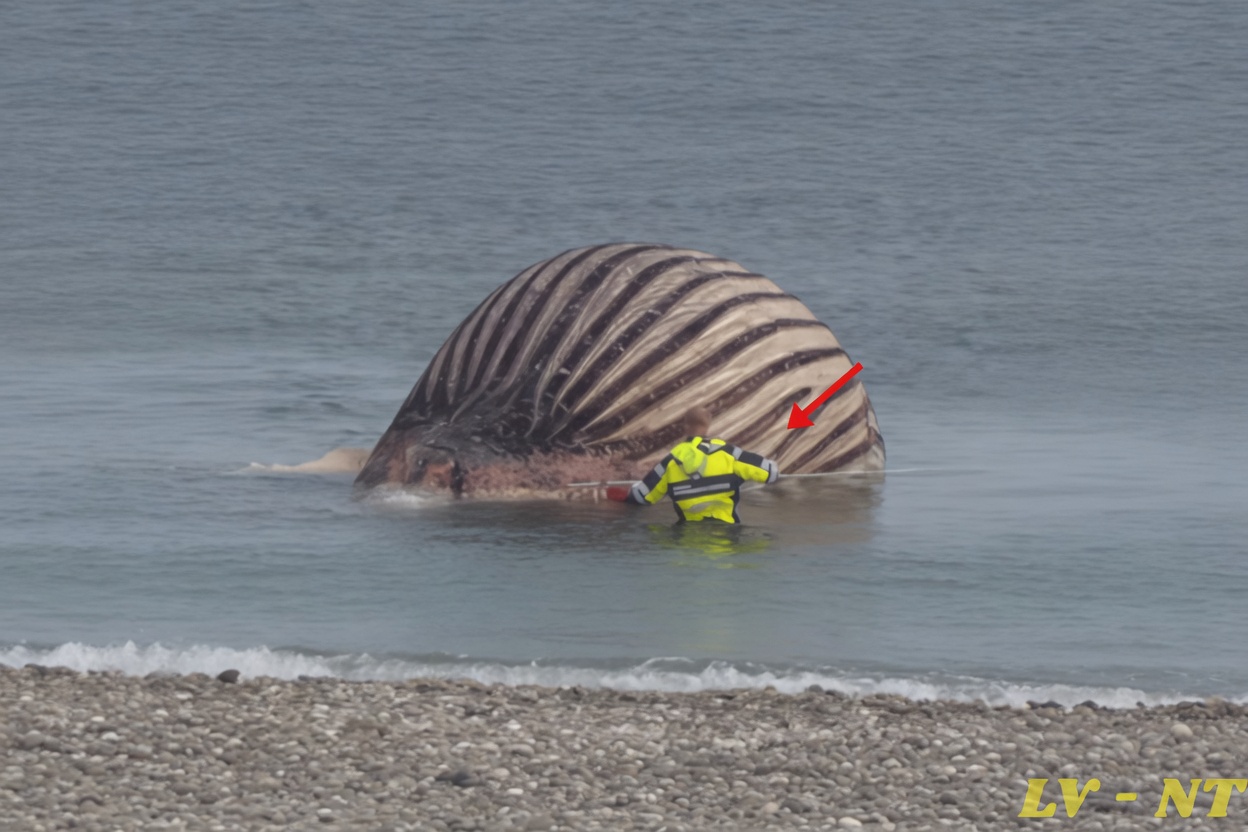
Public Safety Advice
- Stay well away from the carcass.
- Report sightings immediately to local authorities.
- Follow official guidance on beach closures and emergency operations.
The Bigger Picture
Timmy’s death is a rare but chilling example of how marine ecosystems respond to environmental pressures. While whales are magnificent creatures, their vulnerability highlights the urgent need for climate action, conservation measures, and careful coastal management.
A Disturbing Coastal Situation Still Unfolding
Authorities, scientists, and the public are watching as the situation develops in real time. Rising temperatures, gas buildup, and the sheer size of the whale make this a unique and high-risk event, one that underscores the complexity of large marine mammal recovery — even after death.