THE WORLD IS DIVIDED: SHOULD TIMMY HAVE BEEN LEFT TO DIE?
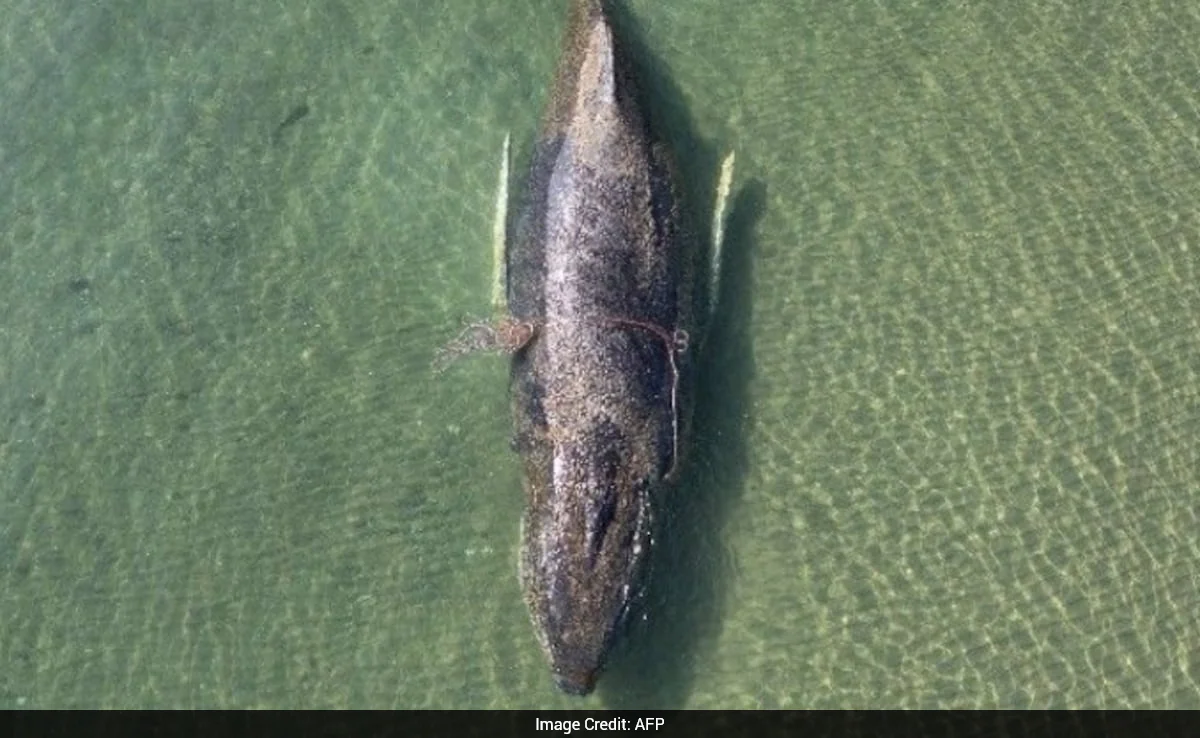
THE WORLD IS DIVIDED: SHOULD TIMMY HAVE BEEN LEFT TO DIE?
For weeks, Timmy, a young humpback whale, captured global attention in the Baltic Sea. Millions of people followed his struggle in real time — from viral videos of him stranded to daily updates from rescue teams. Every sighting, every rescue attempt, kept people glued to screens and social feeds. Millions hoped he would survive, and millions cared enough to act, sharing the story, donating to rescue efforts, and sending messages of support.
But after Timmy’s death, the internet exploded with debate:
“Why spend so much to save a single whale?”
“Nature should have been left alone.”
“Thousands of whales die every year without anyone noticing — why this one?”
The discussion split the world in two. Some saw the rescue effort as futile, a misallocation of time, money, and energy against the unstoppable force of nature. Others argued that the attempt itself mattered deeply, regardless of the outcome.
Because Timmy became more than just a stranded whale.
His story forced the world to look at the oceans differently. Ghost nets, invisible to most eyes, suddenly became a pressing issue. Ship strikes, chemical pollution, and climate-related disruptions to marine life were suddenly in headlines, social feeds, and dinner table conversations. Timmy was no longer just one whale; he became a symbol of all the whales dying silently every year — lives that usually pass unnoticed.
For a brief moment, the world stopped scrolling. Millions of people paused to watch a single life hang in the balance. Millions of people cared about a single whale, and in that caring, the story of the oceans became personal.
The Lessons of Timmy
Timmy’s life and death highlight the complexity of human intervention in nature. Rescue efforts are difficult, dangerous, and sometimes unsuccessful. But they also show the power of empathy — that a single story can catalyze awareness and inspire action.
Experts say his story is a microcosm of a much larger crisis:
- Ghost nets and abandoned fishing gear continue to trap marine life in silence.
- Ocean pollution is more widespread and deadly than most people realize.
- Climate change is altering migration patterns, food availability, and survival chances for whales and other marine mammals.
Timmy’s death raises an uncomfortable question: if one whale could spark global attention, how many other lives are slipping away unnoticed? His story forces us to confront not only the fragility of marine ecosystems but also the limits of human awareness and action.
So was saving Timmy pointless — or revolutionary?
For some, the effort may have failed to save him physically. But in a broader sense, Timmy succeeded in making the world look at the ocean with new eyes. He reminded millions that every creature matters and that human choices ripple far beyond our immediate surroundings.
The debate continues online and in scientific circles. But one truth remains: Timmy changed the conversation. His story exposed the oceans’ silent crises, challenged people to act, and proved that even a single whale can inspire a global reckoning.
Whether people view the rescue as futile or heroic, Timmy’s legacy is clear: the oceans demand our attention, and humanity can no longer look away.