The Chilling Truth Inside the Gravelle House: How a Stranger Saved Eleven Children From a Living Nightmare
The Chilling Truth Inside the Gravelle House: How a Stranger Saved Eleven Children From a Living Nightmare
The miracle of adoption is often celebrated as a beautiful journey of love and redemption, a mutual rescue where longing parents and vulnerable children finally find their forever home. We comfort ourselves with stories of laughter, healing, and bright futures. However, hidden behind closed doors, reality can sometimes twist into something unimaginably dark. The line between a protector and a predator can blur, leaving innocent souls trapped in a living nightmare disguised as a sanctuary. This is the harrowing reality of the Gravelle family from Norwalk, Ohio.
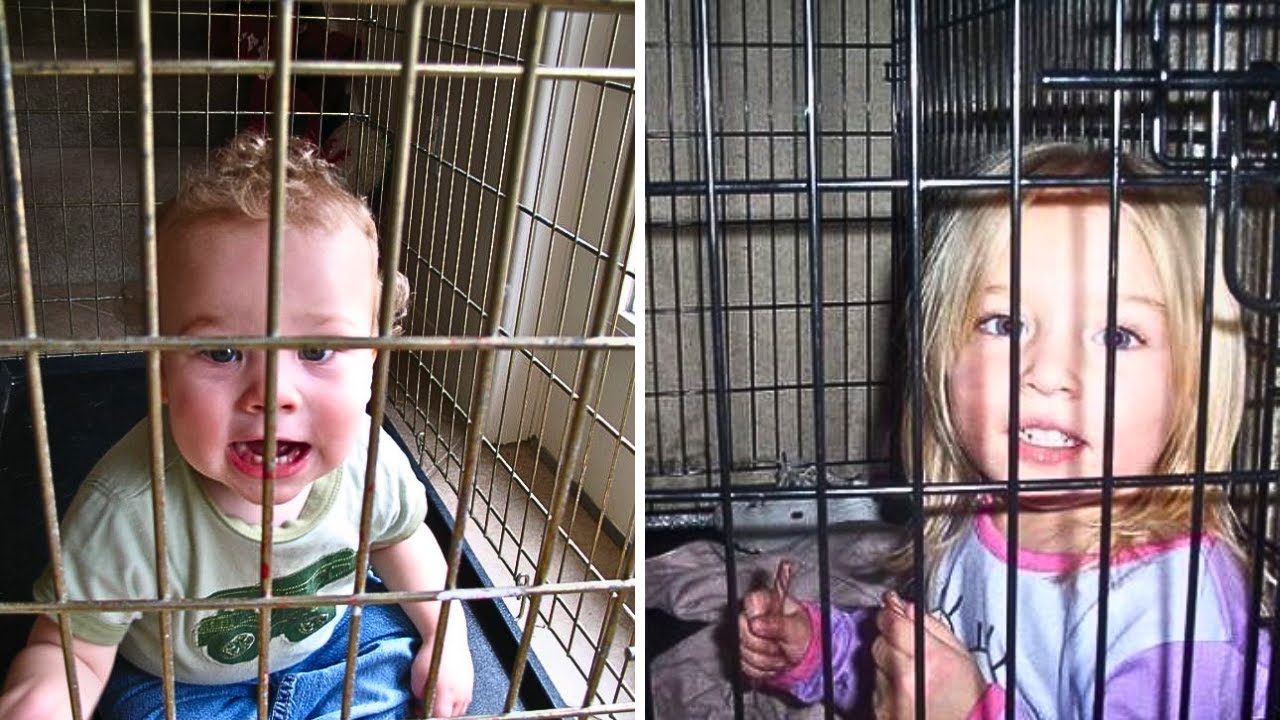
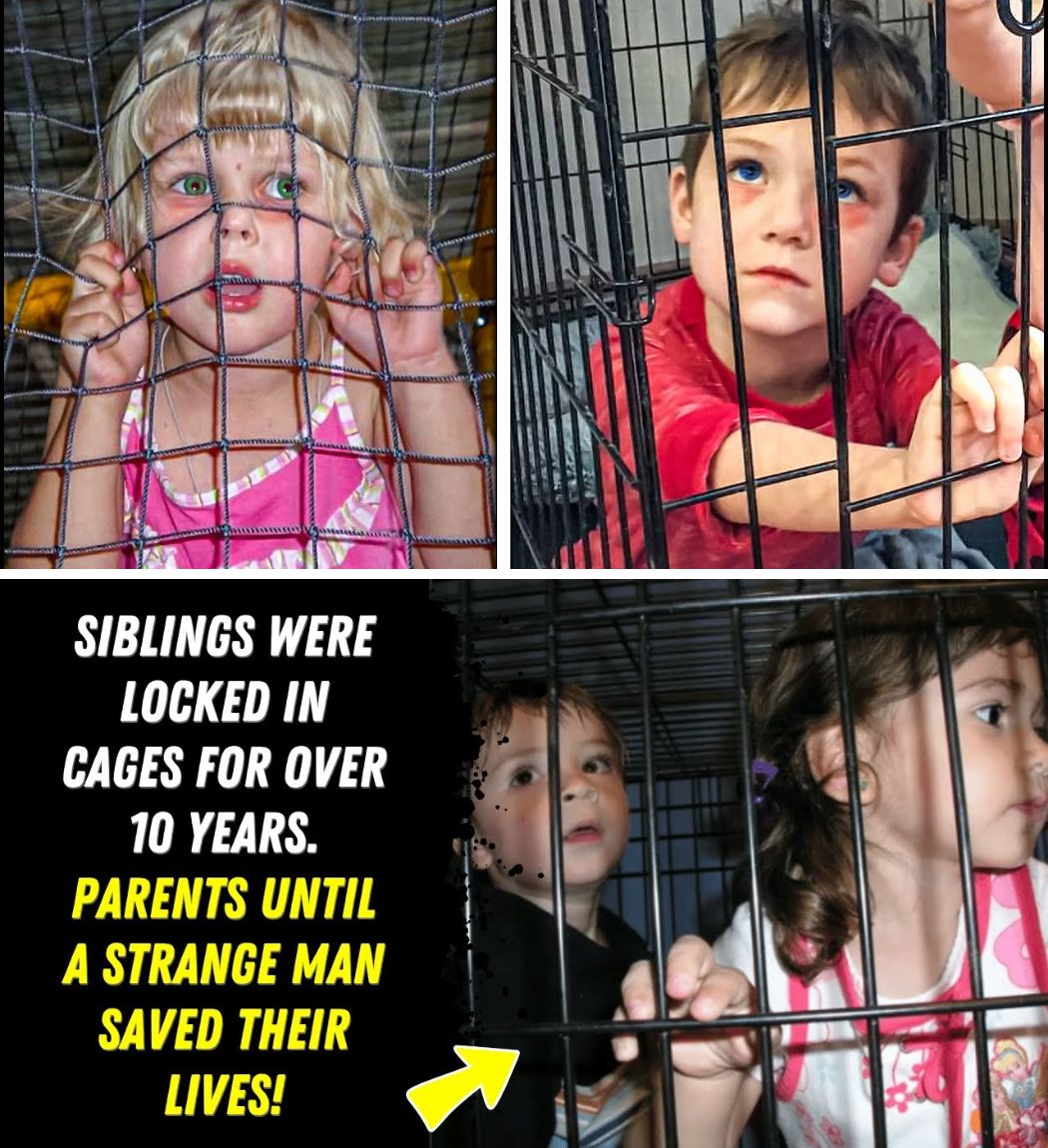
Sharon and Michael Gravelle were entrusted by the state to provide a safe, nurturing environment for eleven foster children, whom they eventually adopted. Neighbors expected a bustling, noisy household filled with the chaotic joy of a large family. Instead, a heavy, unnatural silence hung over the home. The truth only emerged when a suspicious visitor discovered the horrific conditions within the house. The Gravelles had constructed wooden cages, lined with wire mesh and rigged with custom alarms designed to alert the parents if any child attempted to escape.
Of the eleven children, who ranged in age from toddlers to fifteen-year-olds, more than half were forced to live and sleep inside these crude enclosures. When confronted by authorities, the couple offered a chilling justification for their actions. They claimed the cages were a necessary form of therapy for emotionally disturbed children who posed a danger to themselves and others. In a disturbing attempt to normalize the abuse, they even argued that some of the children preferred sleeping inside the locked structures, claiming it provided them with a sense of security.
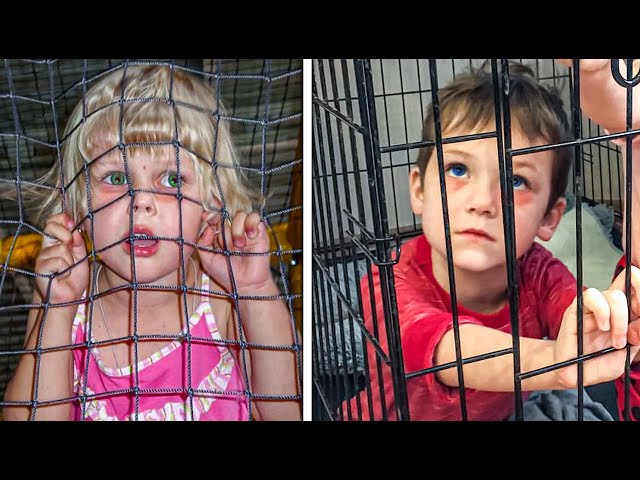
The rescue of the Gravelle children shocked the nation and exposed deep flaws within the foster care monitoring system. It forced a painful public conversation about how easily abuse can mask itself as discipline or specialized care. For over a decade, these siblings endured a profound betrayal of trust by the very people sworn to protect them. Their liberation by a stranger was not just a legal rescue; it was the beginning of a long, difficult journey toward reclaiming their humanity, their freedom, and their right to be loved without chains.