The Night Kurt Sloane Met Tong Po: How An Underdog Story Changed Martial Arts Cinema Forever
The Night Kurt Sloane Met Tong Po: How An Underdog Story Changed Martial Arts Cinema Forever
Some cinematic battles are designed to entertain for a brief moment before fading into the background of pop culture history. Others transcend the very films that birthed them, carving out a permanent place in the cultural zeitgeist. The final confrontation in the 1989 classic Kickboxer belongs firmly to the latter category. It was a brutal, sweat-soaked collision between agony and honor that ultimately redefined the trajectory of martial arts cinema for an entire generation of moviegoers.
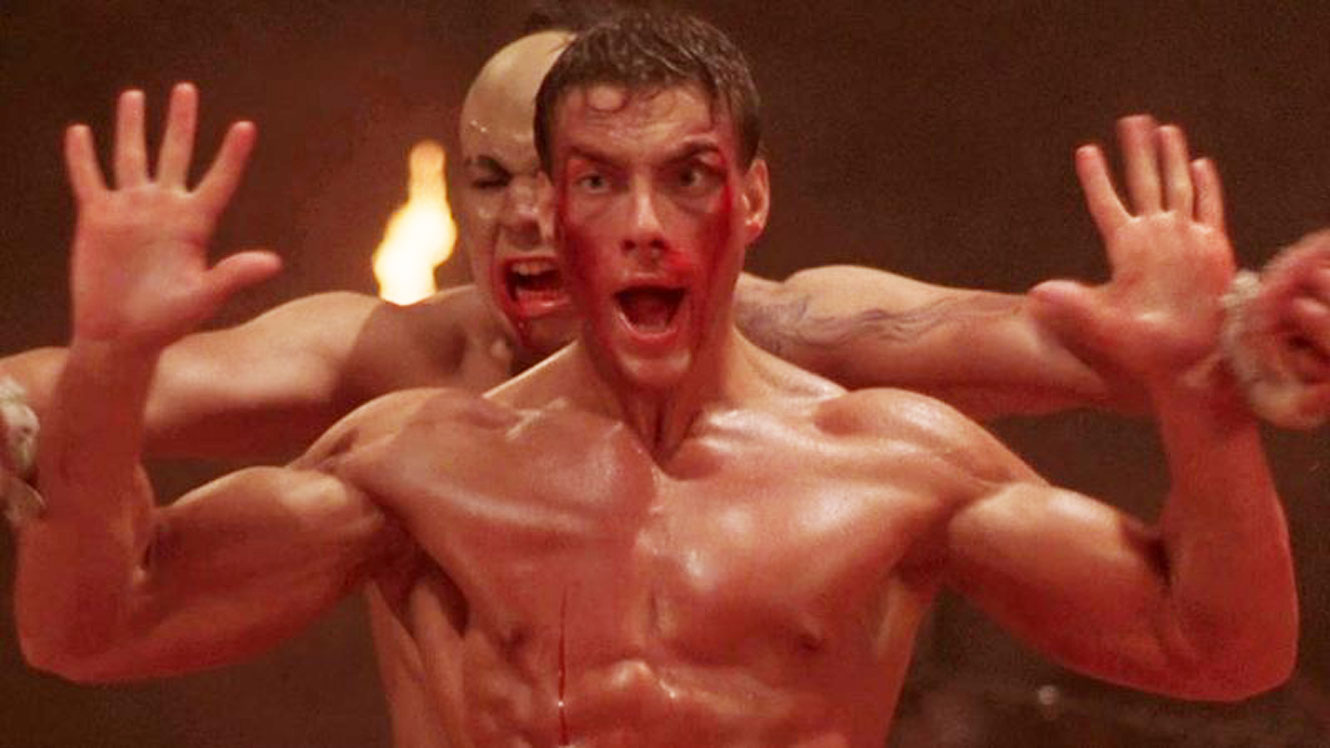
By the late 1980s, the action genre was heavily saturated with high-octane explosions, relentless gunfire, and larger-than-life heroes. Kickboxer deliberately stripped away that excess, reducing the narrative to a primal essence: one man, one ruthless adversary, and one ring. Behind every devastating kick and elbow was a core motivation that resonated deeply with audiences worldwide. This was not a routine sporting match; it was a desperate crusade for survival, revenge, and the reclamation of stolen family dignity.
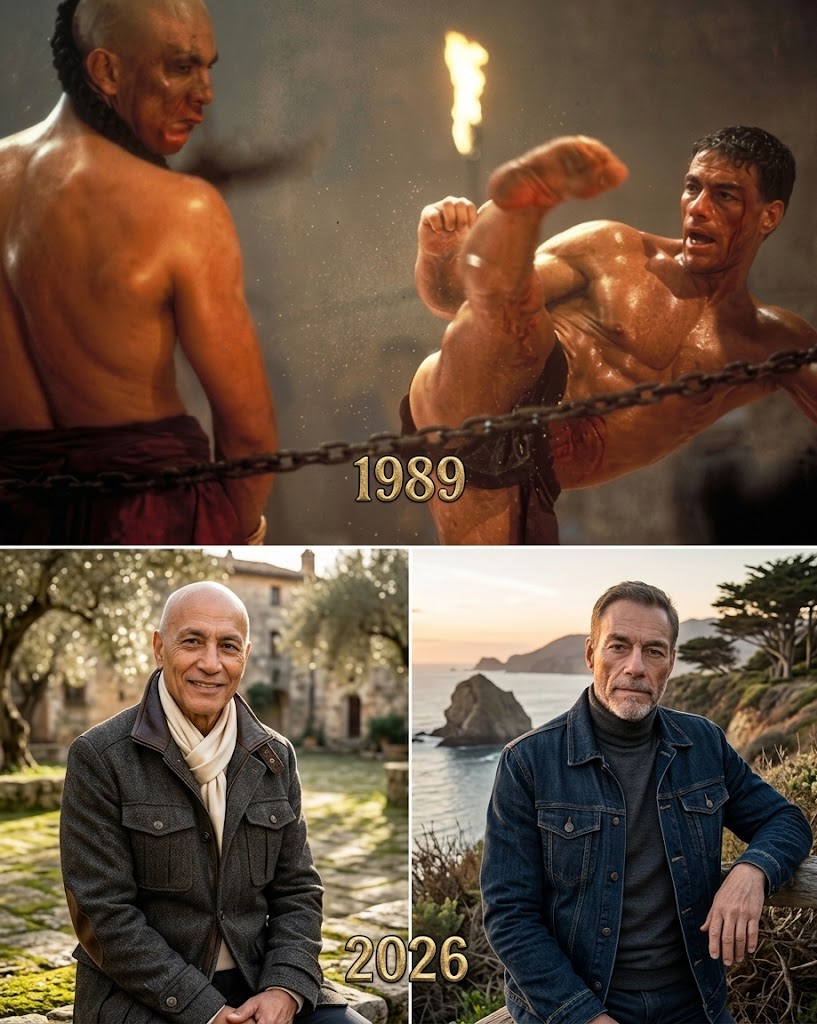
In the film’s most iconic sequence, Jean-Claude Van Damme’s Kurt Sloane lunges forward with explosive athletic intensity. Every muscle in his physique carries the invisible weight of months of agonizing preparation and emotional suffering. Across from him stands Michel Qissi as Tong Po—a silent, terrifying figure who radiates pure cruelty. Tong Po does not need to boast or posture; he simply stands as an unavoidable, statuesque force of absolute destruction, making him one of the most legendary villains in film history.
Kurt Sloane begins his journey not as an invincible superhero, but as an inexperienced outsider. When his brother is viciously paralyzed by Tong Po during a match in Thailand, Kurt’s reality shatters. What follows is a definitive training montage of the era, marked by physical punishment, exhaustion, and moments where defeat feels entirely inevitable. Van Damme masterfully portrays a vulnerable man forced to grow stronger through sheer suffering, making his ultimate rise feel entirely earned rather than manufactured.
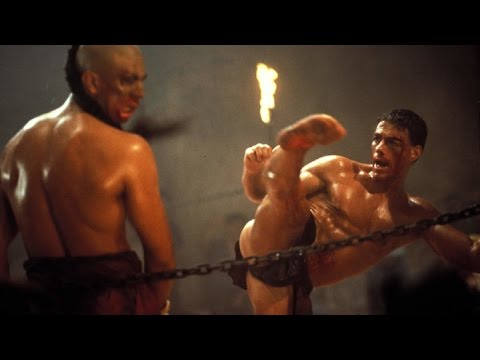
Decades later, Kickboxer endures because it captured the timeless essence of martial arts storytelling in its absolute purest form. It pitted disciplined heart against raw brutality, and quiet humanity against merciless cruelty. Through this perfect storm of choreography and character, Van Damme solidified his status as an international superstar, while Tong Po secured his place in action mythology. It remains a legendary testament to a time when cinematic battles were forged in sweat, blood, and unbroken spirit.